“Good enough is good enough” is an adage that should be consigned to the cheap to say, mostly meaningless and rarely used bin; in my opinion.
“Wooaaah, Slow Down” I hear you protest… “It’s a useful concept that has great utility in organisational and personal life. It’s the antidote to ‘perfection paralysis’, overcomes scope/quality creep and generally helps to get things finished”.
“Good enough, is a useful safety barrier when you are doing unpleasant things like cutting back budgets or ‘re-sizing’. If you are thinking about innovation, the whole concept of prototyping has ‘good enough’ at its core. Where would MVP (Minimum Viable Product, which I’ve mentioned before) be without it.”
“Think again oh Hasty One…”
Yeah, but I don’t buy it. I’ve heard people use ‘good enough is good enough’ who; a) don’t really understand it, b) don’t actually mean it and c) had no intention of doing it.
It’s like a soothing corporate balm. Something you apply liberally at a meeting to help things along. Warm words that provide comfort from an ‘irritating itch’. Instant relief so that everyone can go back to their desks and continue as normal.
Show me the receipts. So, I’m proposing that from now on if anyone says ‘good enough is good enough’, I’m going to respond with… ‘show me the receipts’. And I encourage others to join in.
Basically I’m asking for some evidence and commitment. Does the adage user / corporate balm applier; a)understand what it means? b) mean it? c) will make it happen?
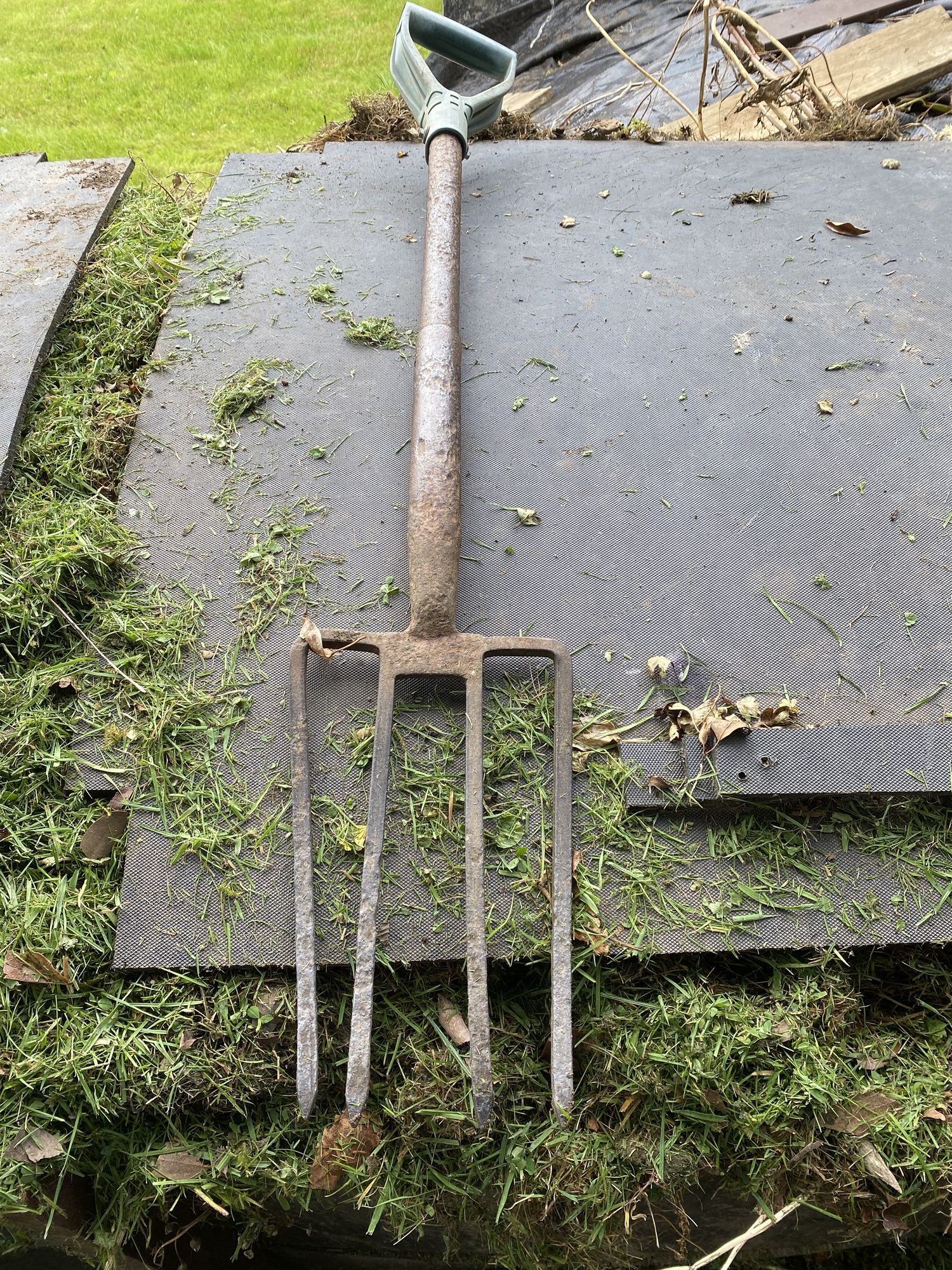
Any ‘receipt’ will do. And just to prove I’m not one of those ‘do as I say, not as I do’ types, I’ve attached one of my own receipts at the end (The Bushfix Compost Fork)
Voltaire knew his stuff. If you are looking for the origins of ‘good enough is good enough’ it’s mixed in with ‘perfect is the enemy of good’ (apparently an aphorism not an adage) that was used by Voltaire in 1770.
Voltaire was quoting an earlier Italian proverb and people like Aristotle (the golden mean) and Shakespeare (Sonnet 103) also have some skin in the game. The idea has been around for ages. Which does bring into question why we still wrestle with it?
What I really like in this space is the concept of wabi-sabi from Japan. It brings together the idea that while many things are both temporary and imperfect, they can have great beauty and be useful at the same time.
There’s a lovely description from Andrew Juniper (here) that “if and object or expression can bring about within us, a sense of serene melancholy and a spiritual longing, then that object could be said to be wabi-sabi”
I’m quite attracted to serene melancholy and have been known to feel a bit of spiritual longing.
There’s a Welsh phrase that goes some way towards it, hiraeth – a sort of homesickness tinged with grief or sadness at being away from Wales.
In the context of ‘good enough’, the Welsh translation digon da has a lovely ring to it. Unfortunately I haven’t been able to dig out any deep cultural meaning to digon da, yet.
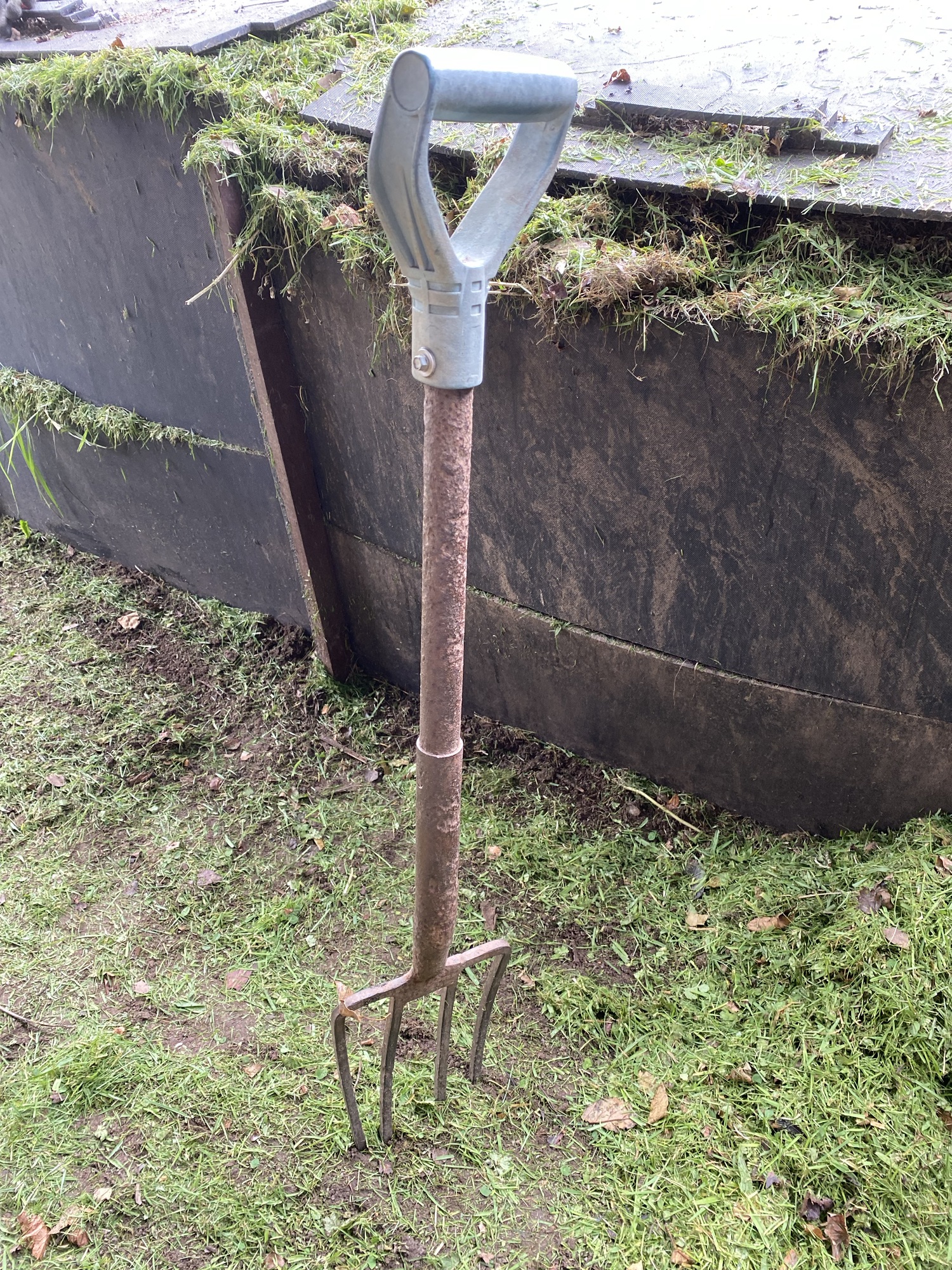
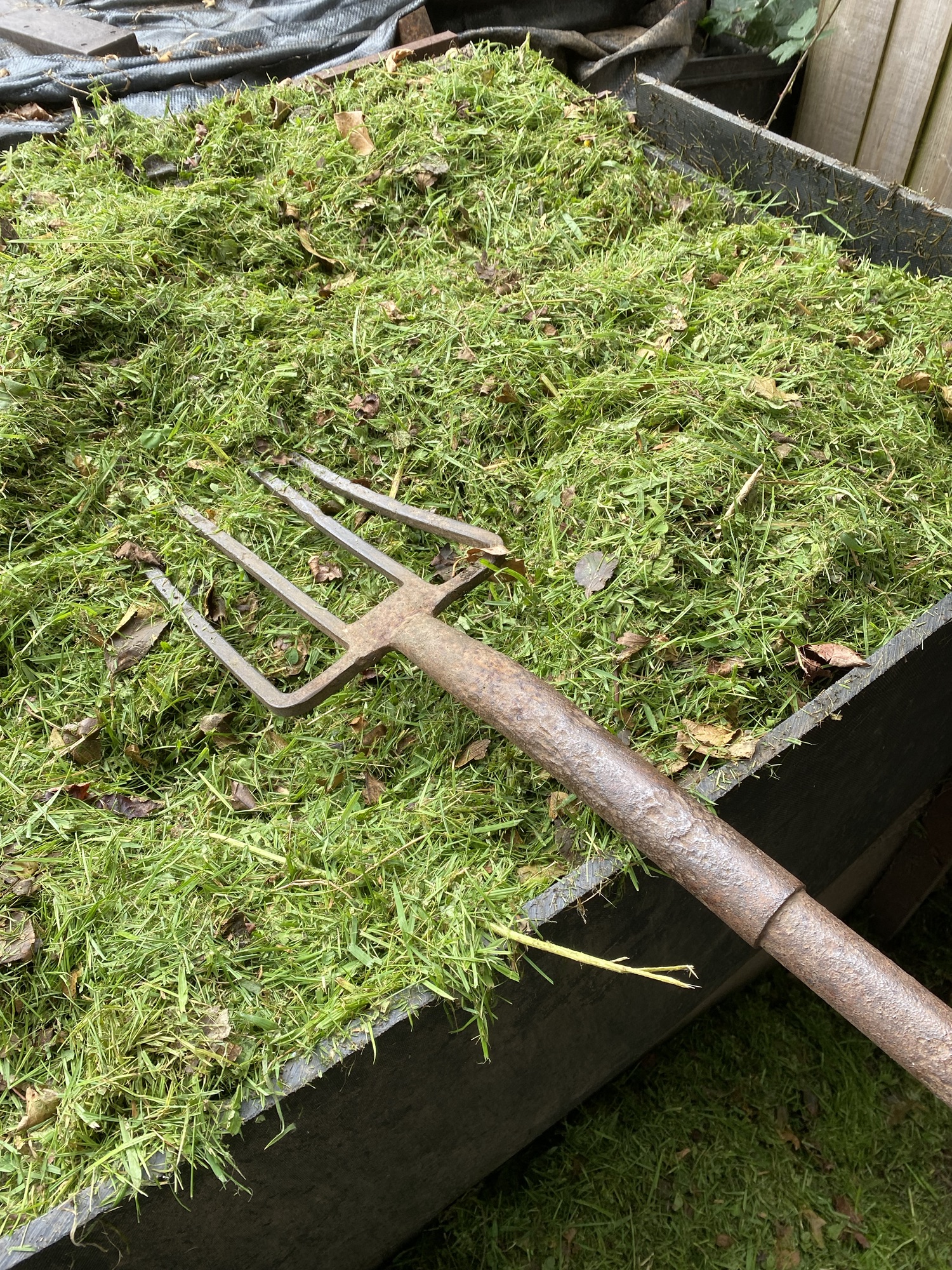
The Bushfix Compost Fork receipt. This is the garden fork I use to move things around at my compost bins.
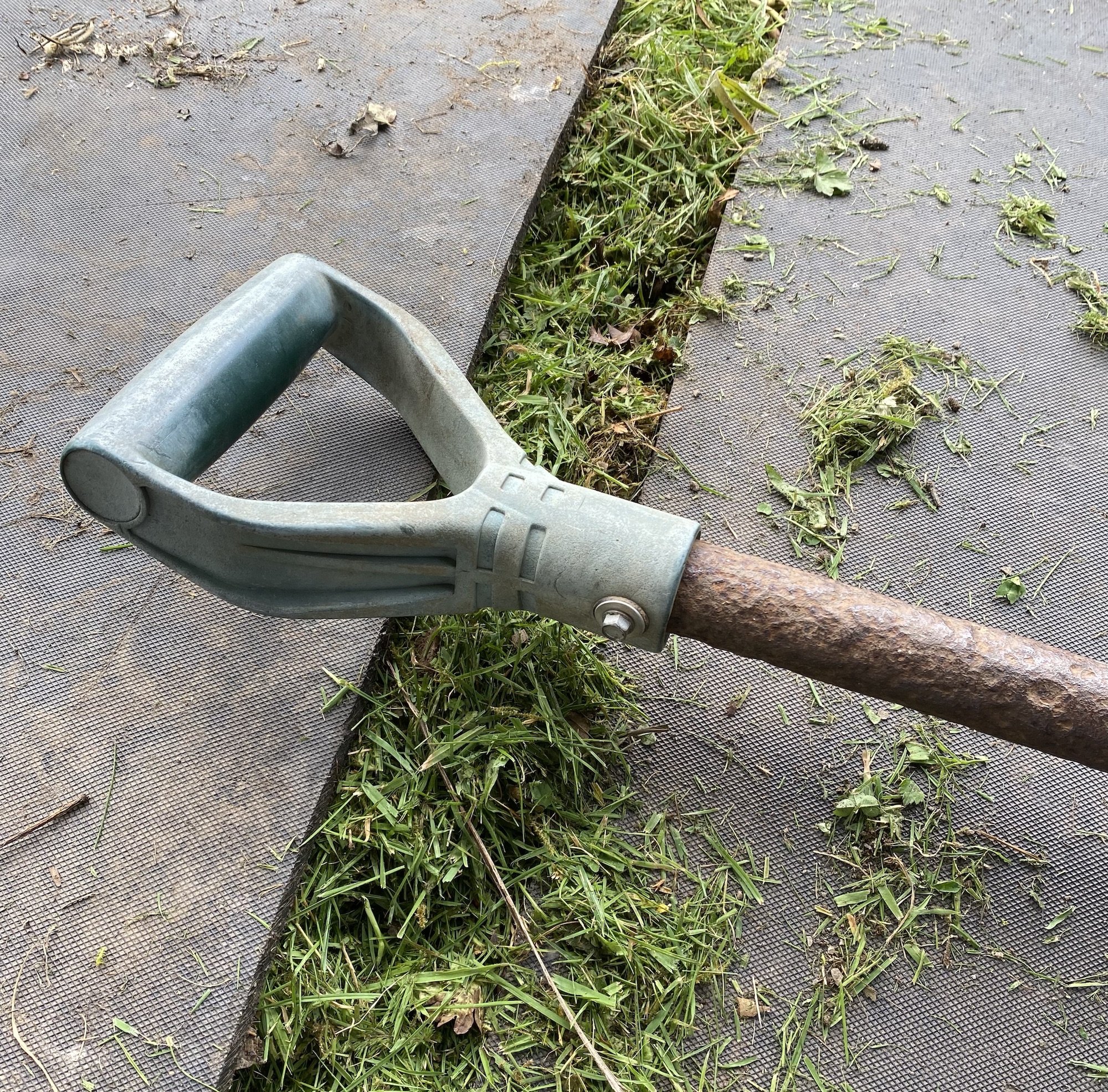
Bushfix fork was quickly cobbled together from the iron body of garden fork I found in the ashes of an old bonfire. A plastic handle salvaged from a broken spade. And some self tapping screws left over from my reclaimed polytunnel project.
It’s the ugliest garden implement you are likely to encounter. Bent out of shape, an ergonomic nightmare and not particularly easy to use. But it lives outdoors by the compost bins and does the job it is needed for. It’s absolutely good enough, digon da and I love it. Wabi-sabi baby!
So, What’s the PONT?
- GEIGE (Good Enough is Good Enough) has many advantages from overcoming perfection paralysis through to innovation prototyping and minimum viable products.
- However GEIGE is a much misused term. People often use it as ‘corporate balm’. Something to sooth an annoying irritation, with no intention of actually accepting GEIGE in practice.
- I’m proposing that if you intend to use GEIGE, you need to be prepared to ‘show your receipts’. What’s the evidence that you know what it means and are prepared to follow through?
Back in 2013 I wrote this: Good Enough is Good Enough, the law of diminishing returns. Thankfully it’s sufficiently different to what’s here for me not to be accused of recycling, or even composting.
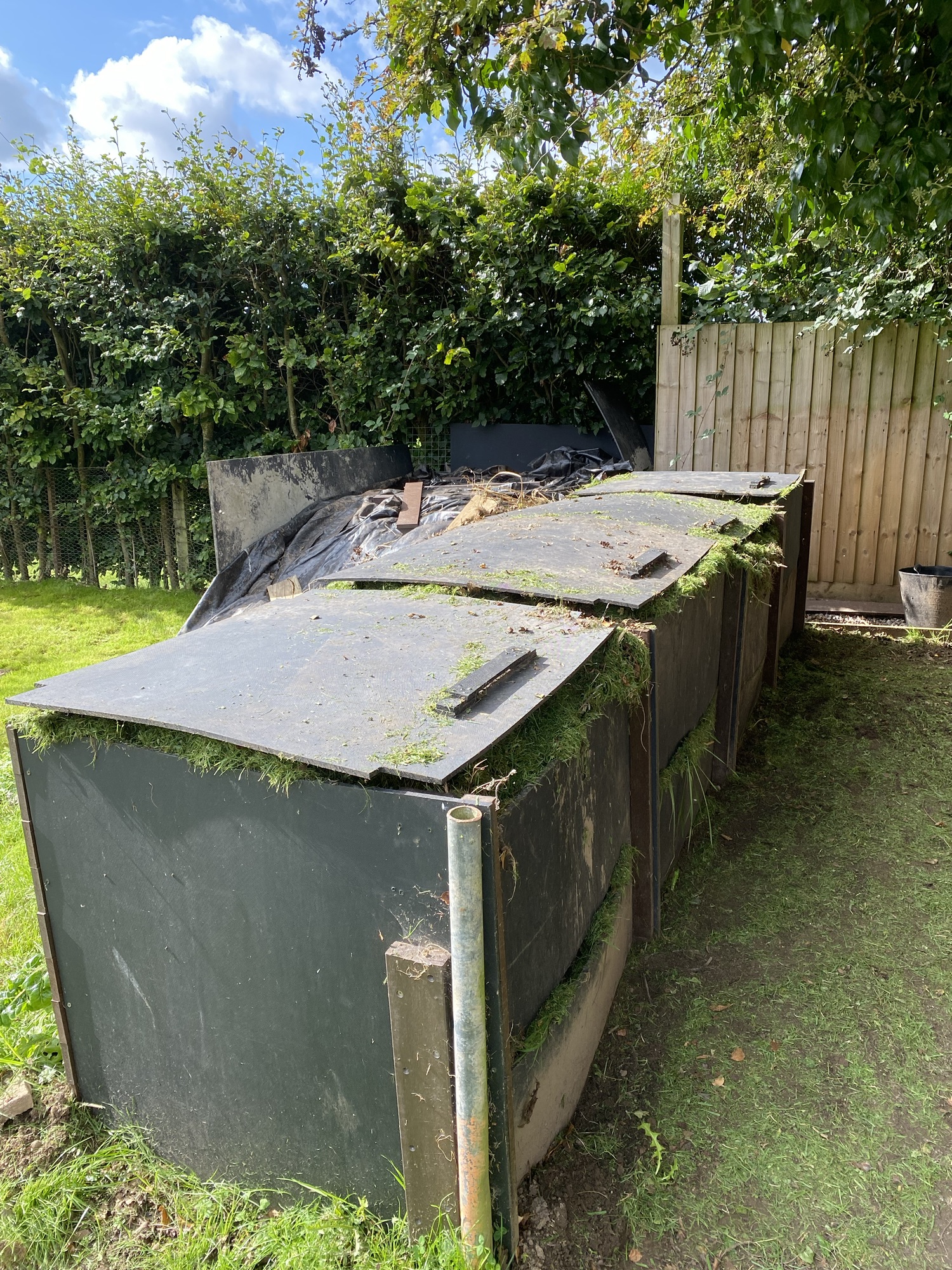
Here’s some more pictures of the Bushfix Fork. A monstrosity of a garden implement along with the compost bins it lives with.
 What's the PONT
Leave a comment