
Beer Committees were an important part of the small community rugby clubs I grew up around. So important, that I think they are a foundation stone in the temple of governance essential to any democratic society. Let me explain…
What are Beer Committees? In any small club or society there are two things that really matter. First, the ‘thing’ people get together to enjoy doing.
And second, a bit of money to get ‘other things’ done. The money doesn’t need to be big, but it does help things happen.
In the case of small community rugby clubs the rugby was the ‘thing’ that people got together. The Beer Committee was the ‘machine’ behind the money that helped facilitate the rugby.
It’s a straightforward equation (algorithm in new money):
Sell beer to the people who enjoy rugby.
- Use the profits to pay for;
- The clubhouse,
- Changing rooms,
- Transport to away games,
- Physiotherapy bills
- Subsidise missionary work (annual Easter tour to Devon), etc.
Yes, membership fees (subs) and sponsorship all supplement the beer profits nowadays, but not so long ago beer profits were the main (sometimes only) source of income. If the Beer Committee got things wrong, it could be ‘end of sports’ for the club, literally!
So, how the Beer Committee Members carry out their role on behalf of the club members; make decisions and monitor the impact of those decisions is critical. Basically it’s governance. But nobody ever says that.
“They’ve put Carling up to £3.20 a pint!” This post was prompted by a conversation (a while ago) with a friend about rugby club beer prices.
It started with them asking about my week. Fairly typically it involved some sort of ‘governance’ activity. Listening to a talk about “Elected Member Scrutiny Committees”, a workshop on “The Effective Audit Committee”, reading 2 million pages of Finance and Risk Committee papers, yadda yadda. You get the drift…
Anyway my friend was rightly bored and after 2 minutes and blurted out “They’ve put Carling* up to £3.20 a pint!”. (*Carling / ‘cooking larger’ mass market beer sold in the UK)
As blurted statements go it’s a bit of an attention grabber. Basically the rugby club Beer Committee had pronounced on beer choices, and prices for the coming season. Carling had indeed gone up to £3.20 a pint, blowing a hole in the ‘more you drink, the more you save’ policy of some club members.
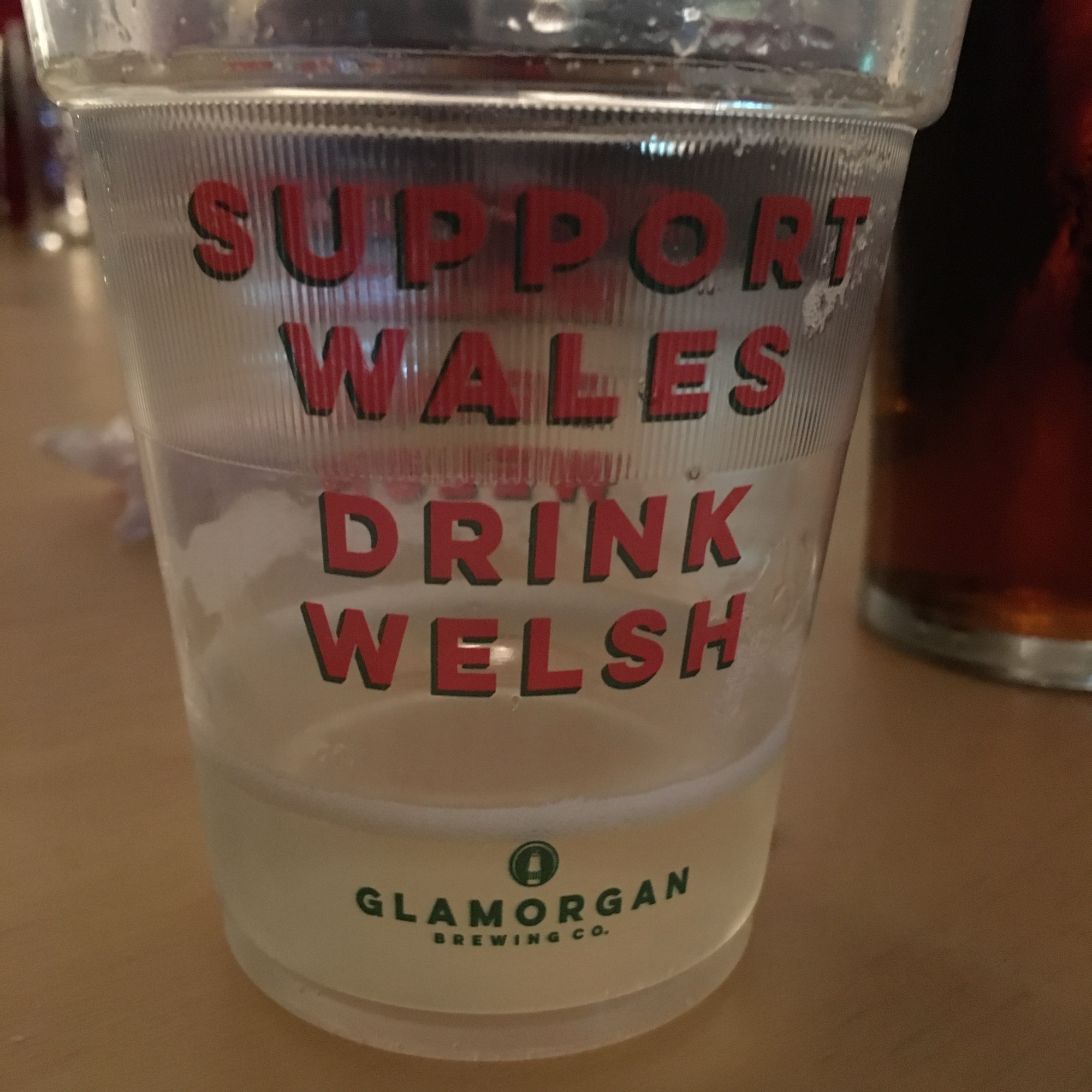
Additionally the Committee also decided to introduce craft beer from a local brewery, more expensive, but better (in my view).
My friend complained that the craft beer ‘tasted like drain cleaner’ (he would know about that) which prompted me to ask, “but aren’t you on the Beer Committee?”
The answer was perfect. “Oh, yeah I am. We talked about it for ages. Then we had a vote and putting up Carling to £3.20 and having craft beer won. So you’ve gotta go with it haven’t you. Democracy innit…. Fancy another pint?”
Beer Committees as a Cornerstone. One of the things that sticks with me from that conversation was the disconnection between how I’d spend my week talking about governance and how my friend had actually been doing it.
I think there’s a lesson here about the ‘professionalisation’ of governance. I do wonder if the efforts to make things ‘professional’ ignores the huge amount of activity that already exists within many communities?
Also, does the use of a certain type of language and behaviour exclude the people who are actually very skilled in this area.
Believe me, running the Beer Committee is a skilful and complex task. Getting it wrong can have very local and immediate consequences. I’m not sure if people on the Boards of massive organisations are quite as close to the consequences of their decisions.
Transferable Skills and Lessons Learnt. Here are a few reflections that summarise our ‘Beer Committee’ conversation, potentially relevant to any governance forum.
- Focus on what matters. The Beer Committee know exactly what their job is. Provide the right beer, at the right price so that people come to the club and drink it. Get that right you make a profit and support the ‘core mission’.
- Understand who you are working for. The Beer Committee have a ‘vested interest’ in getting things right. They are committed to happy beer drinkers.
- Be transparent. In a small community this is relatively straightforward. I’ve seen Beer Committee minutes pinned to notice boards. But the real communication and transparency happens at the bar where you can discuss the merits of something ‘that tastes like drain cleaner’ with a decision maker.
- Checks and Balances. See above.
- Continuous Review, Feedback and Improvement. See above
Beer Committees, a Cornerstone of Governance. Getting back to the points I made earlier about the skills required to operate an effective Beer Committee. I think this is an opportunity. I also think the language used around ‘professional’ governance might be excluding, and ignoring the very people in communities we should be engaging? When people talk about diversity on boards perhaps they should be looking at what we already have?
So, What’s the PONT?
- Governance exists in many forms all over society. Some of what happens in the smallest community clubs and societies is just as real as what you’d see in many professional Boards.
- The consequence of your decisions and feeling their impact can be far more real in community governance. The fact that you ‘stand alongside people’ means you can’t escape the impact of your decisions… literally.
- The ‘professionalisation’ of governance can introduce language and behaviours that exclude the people who can do the job. If we think we need ‘community governance’ the people best placed to do it might be already be there.
Historical Footnote. Please do scroll down to the comments for an explanation by Matt (Complex Wales). Apparently our love of committees, beer and rugby in South Wales has deep historical roots.
 What's the PONT
Leave a comment