There’s something interesting happening in the USA currently. You’ve got it, the Federal Trade Commission (if it still exist after 25th January 2025) are suing John Deere tractor manufacturers. The case is about John Deere preventing owners from repairing their tractors. It’s a big deal that’s been rumbling on for ages with huge implications, including stifling one of my favourite things, a bushfix.
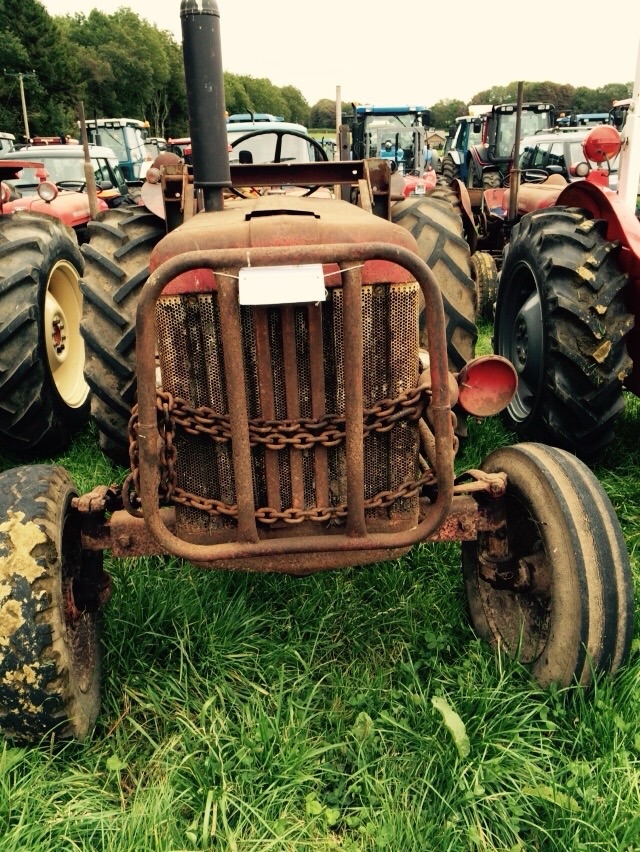
Lets get ‘bushfix’ out of the way. I grew up around people who ‘bushfixed’ things. Essentially it’s about getting something to work by using whatever resources you have available. Often not what the manufacturer intended, but it gets the job done.
One of my father’s friends (Arthur Pandy, because he lived in Pandy) was a welder who could fix anything metal. Mostly it wasn’t elegant, but it worked.
The phrase ‘bush mechanic’ is a fairly modern description of a person who ‘bush fixes’ things (details here). It’s been popularised by the Aussie Gold / Opal Hunter genre of TV shows (which I’m not obsessed with) and perfectly describes Arthur Pandy.
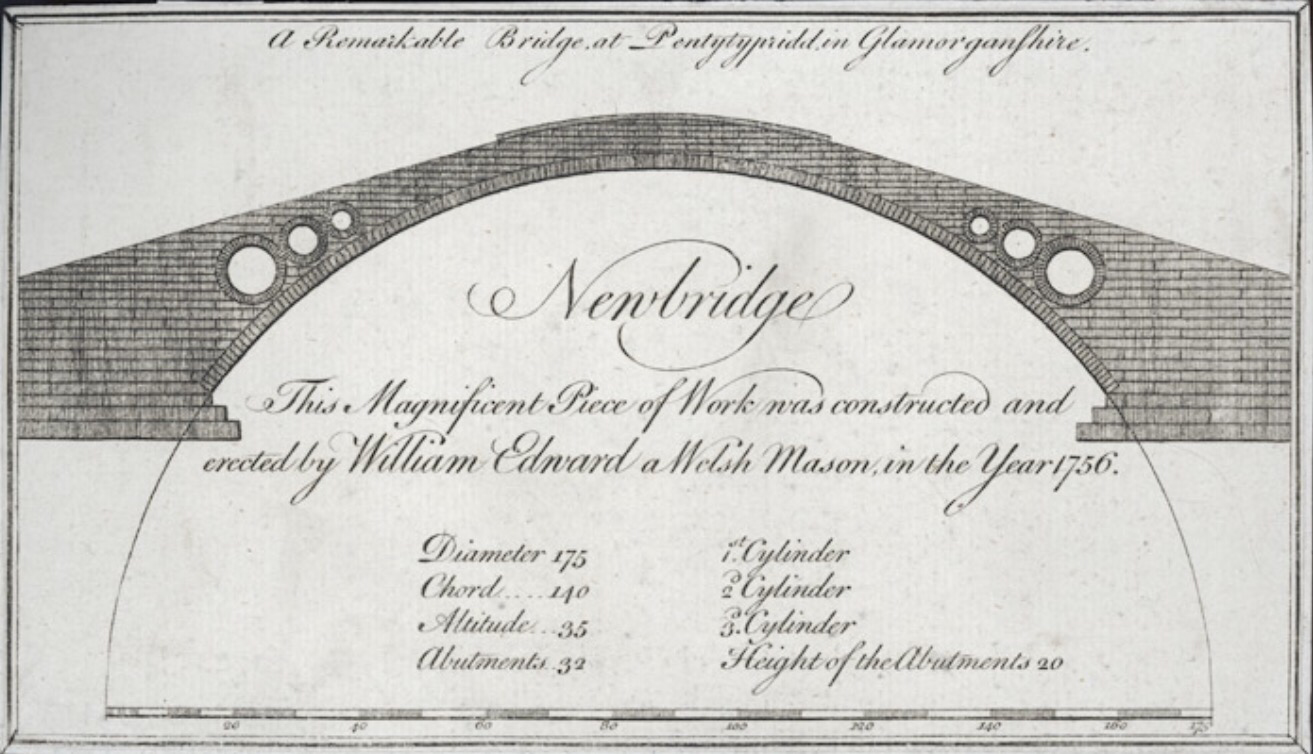
I should point out I didn’t grow up in the Australian Outback. I’m from Old South Wales – between Pontypridd & Merthyr Tydfil so we didn’t live in ‘the bush’. Fixing things using the available resources (bush fixing) was just the way people did things.
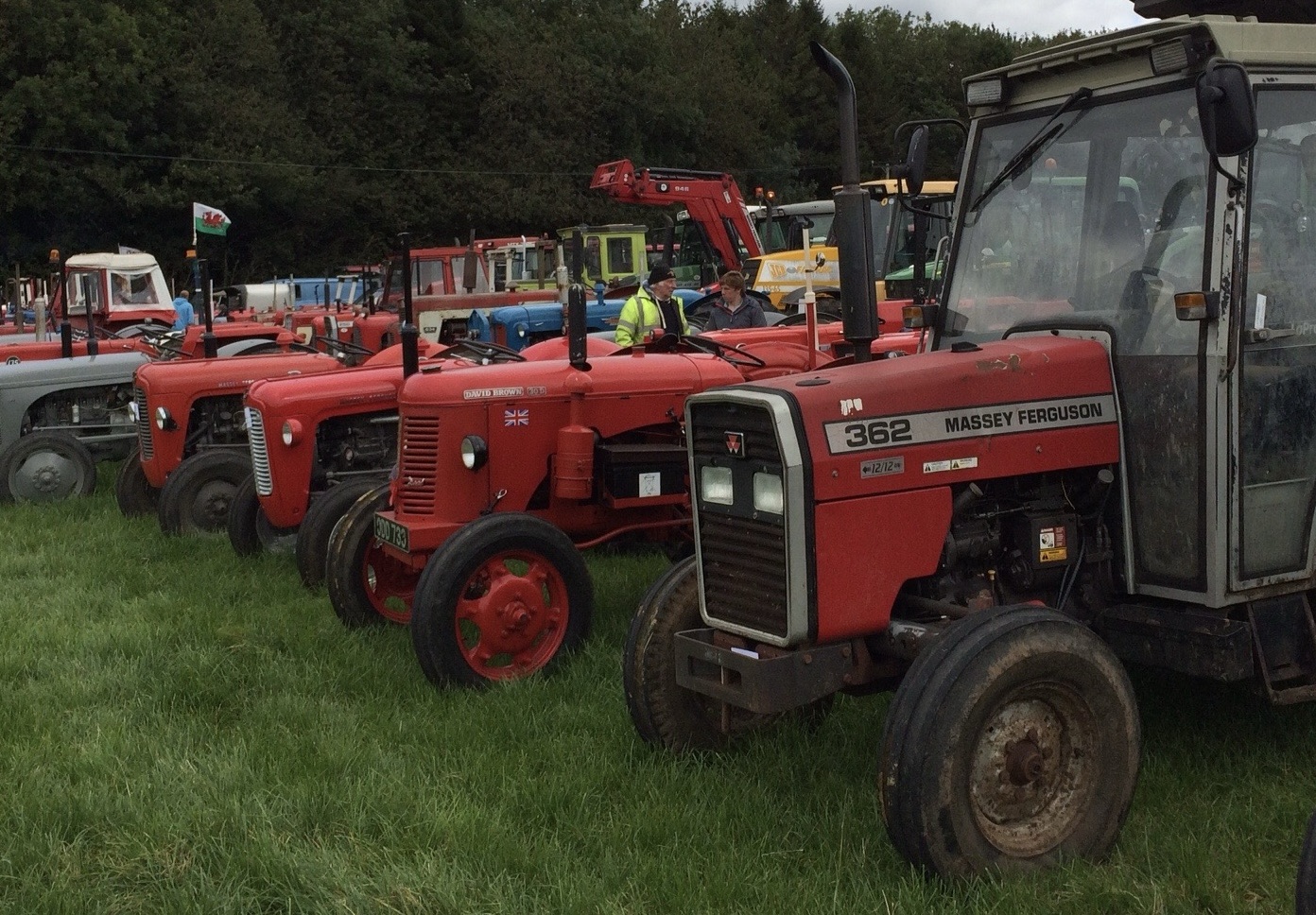
Machines and equipment (back then) had generally been manufactured in a way that allowed the owners to carry out basic repairs, and modifications to keep them working. The ‘right to repair’, or the lack of it, wasn’t really an issue. We just opened the tool box and got on with it, which brings me to John Deere.
John Deere and the ‘right to repair’. I have mixed feelings about John Deere that I won’t go into here. However, for a long time the question of how they work has been in the back of my head.
It starts with two farming friends, one who’s got a 40 year old invincible beast of a John Deere tractor. It will probably be running perfectly in another 40 years. It was built for the long term. My friend probably only ever needs to buy that ‘one’ John Deere.
The other friend also has a John Deere, quite a bit more modern (about 20 years old). I bumped into them a while back on their way to the local dealership. They were going to have it ‘re-tuned’ to make it ‘more powerful’ and ‘more fuel efficient’. That didn’t make much sense to me, but their comment, “it’s out of John Deere warranty, so I can make modifications” stuck in my head.
Tractor Hacking. Fast forward to 2017 and I start reading about farmers who make a thing of ‘hacking’ John Deere tactor software.
This happened because John Deere had introduced software into their tactors that could only be ‘fixed’ by ‘approved’ repair agents. And we all know what ‘approved’ means… twice the cost, double the hassle* (*sometimes).
This 2017 article from vice.com details ‘Why American Farmers are Hacking their Tractors with Ukrainian Firmware’. It surfaced again in 2022 at the start of the war in Ukraine when the Russians began seizing farm machinery. This article reports on how John Deere remotely ‘bricked’ (locked) software on stolen tractors from a Ukrainian Dealership that ended up in Chechnya.
Hello Federal Trade Commission. The longstanding issue over John Deere software ‘right to repair’ has come to a head recently (15th January 2025).
This press release: FTC, Sue Deere & Company to Protect Farmers from Unfair Corporate Tactics, High Repair Costs is very much to the point.
“Deere’s monopoly practices unfairly drive up farming equipment repair costs, restrict farmers ability to quickly seek repairs necessary for planting, harvesting”
If you’re interested in this there are dozens of You-Tube videos. I’d suggest this one.
The future of right to repair. I’m watching this with interest. It feels like a reasonably even fight: Farmers versus John Deere. Better odds than the David versus Goliath mis-match we see around many challenges to massive corporations.
If the farmers win, hopefully it will open doors to the right to repair in lots of other areas.
Long live the Bushfix.
So, What’s the PONT?
- Making massively reliable, long lasting products doesn’t help companies that want to keep selling you new stuff.
- But deliberately preventing owners from repairing what they have bought cannot be right.
- Fixing things is more than just a necessity. A bushfix. can also be a source of great joy. It might even develop better products, just look at Ikea Hacking.

 What's the PONT
Leave a comment