
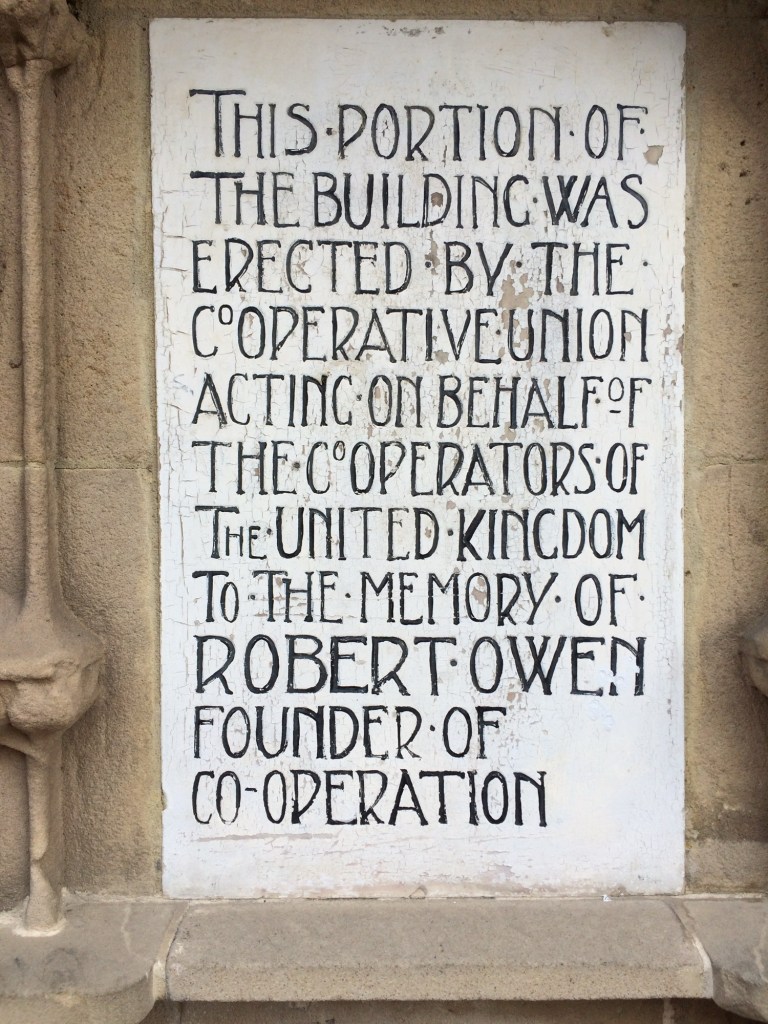
This is a quick, partial reflection on the Cooperatives Wales session I attended last Sunday. Public, Private or Cooperative, Rebalancing Society. What needs to be done?
I’m still thinking about it a lot, but 2 big things have stuck with me.
One, the connection of cooperative housing to ‘care’ and second, the role universities have in cooperative education.
What does it mean ‘to care’?
The session focused on the government prioritiy to double the number of cooperatives in the UK. I like that.
A key part of that focus on the care sector. A prominent question emerging from this is, is it ethical to ‘profit’ from providing ‘care’ to another human being?
Also, the question of cost. Current models of providing care through the public and private sector look unaffordable and unsustainable. Is there an alternative model, like cooperatives?
I’d argue yes. Have a look at Grupo Servicos Sociales Integrados from Bilbao in the Basque Country.
From the bit I know about Grupo SSI, they ‘emerged’ from the local council adult social services department about 35 years ago. During difficult economic times (sound familiar?) and they have been successfully operating as a cooperative ever since.
It can be done.
But ‘care’ goes wider…
A gap in the ‘target’ list of doubling the cooperative numbers for me was social housing. If I missed it, it wasn’t obvious.
There’s 3 things I’m thinking about here…
- Some social housing organisations already provide a significant amount of ‘care’, in the homes they also provide. They also seem to suffer the same cost pressures as the public / private providers.
- Why aren’t there more care cooperatives linked to social housing? It seems like an obvious connection?
- It’s already happening. Some social housing providers already successfully operate a cooperative model. Have a look at the amazing Merthyr Valleys Homes. I should point out that I am biased in my views. I’m Chair of the Board, appointed by the Democratic Body.
- Care as a verb. I do wonder if the definition ‘care’ around cooperatives is a bit too narrow? Is it more than just the traditional social care sector? I’m attracted to a broader definition. I like to think of ‘care’ as the verb, ‘to feel concern and attach importance to something…’
- To quote the inspirational Allison Soroko, Company Secretary at Merthyr Valleys Homes, “we do this because we care!”.
- If you are deeply concerned about what happens in our your community and you attach importance to it, you care, probably a lot. I think that’s a good starting point for any cooperative.
What about Cooperative Universities?
I was intrigued by a point made by Professor Colin Talbot that UK University Business schools are mostly silent on cooperatives.
Plenty of MSc’s on the Private and Public Sector, but hardly anything on Cooperatives.
Interesting from two angles.
One, how can they have missed out on an entire alternative economic model?
Second, given the current perilous state of many UK Universities, it might be an economic model that would help?
In the spirit of Cooperative Education… here’s a few bits and bobs on Universities and Cooperatives I bumped into on my Churchill Fellowship. They might be useful, or spark a conversation.
University of Maine Cooperative Extension.
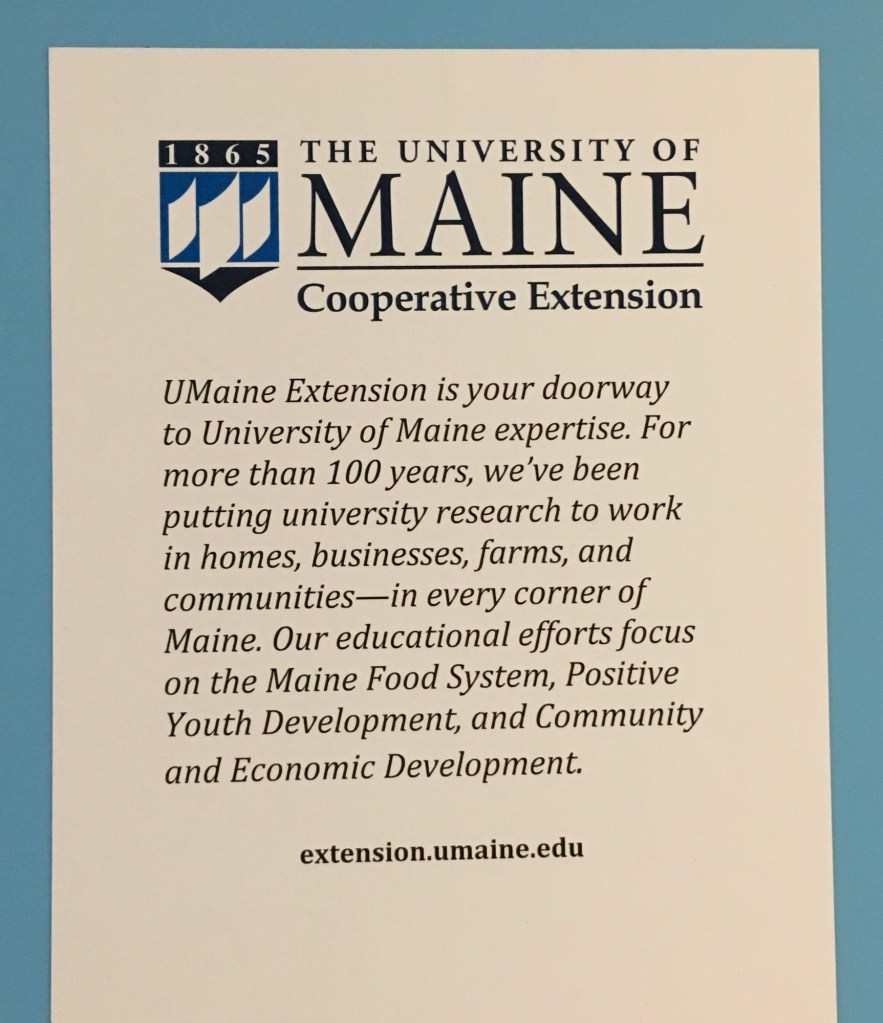
There’s a statement here I love. ‘For more than 100 years, we’ve been putting university research to work, in homes, businesses, farms and communities – in every corner of Maine’.
I’m trying to dig out what I learnt on a visit to Maine University Cooperative Extension back in 2018. In the meanwhile, here’s something on the sustainable lobster fishery where they have some involvement.
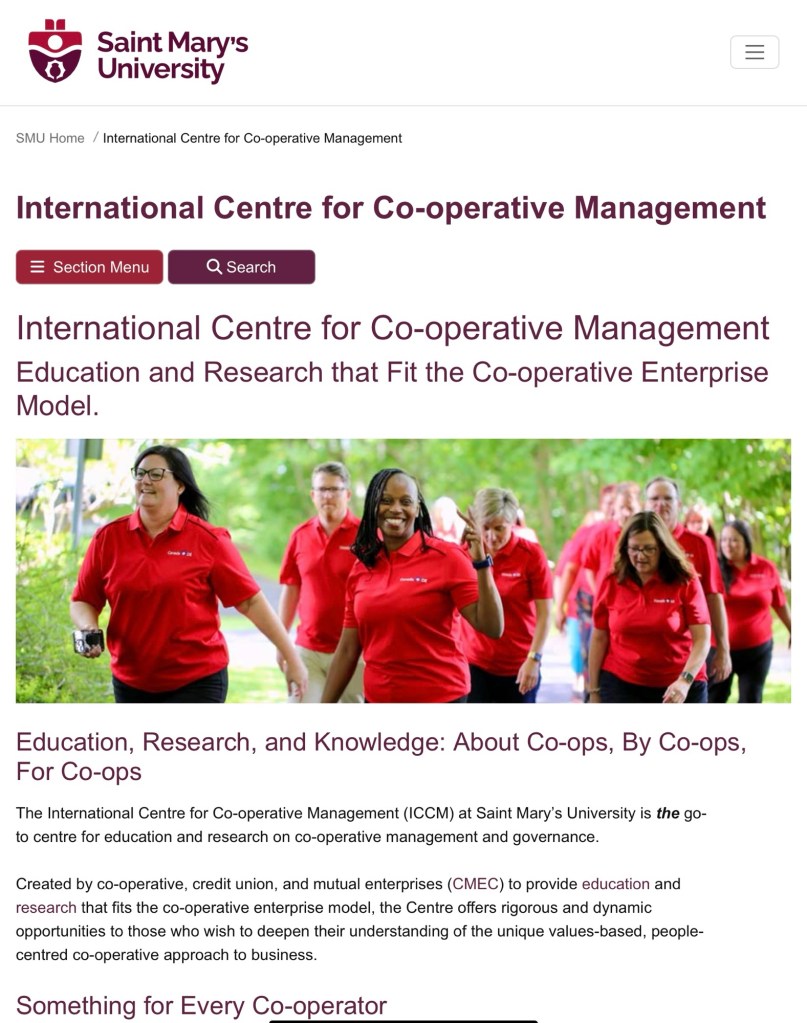
St Mary’s University Sobey Business School International Centre for Cooperative Management is based in Halifax, Nova Scotia.
The picture above is pretty self explanatory. Some Universities are already committed to Cooperative education. I was lucky enough to visit in 2018, thanks to Ray MacNeil.
Finally the Mothership. Mondragon University Business School.
It doesn’t get more ‘Cooperative Education’ than a Business School based in a Cooperative University which is part of the Mondragon Cooperative.
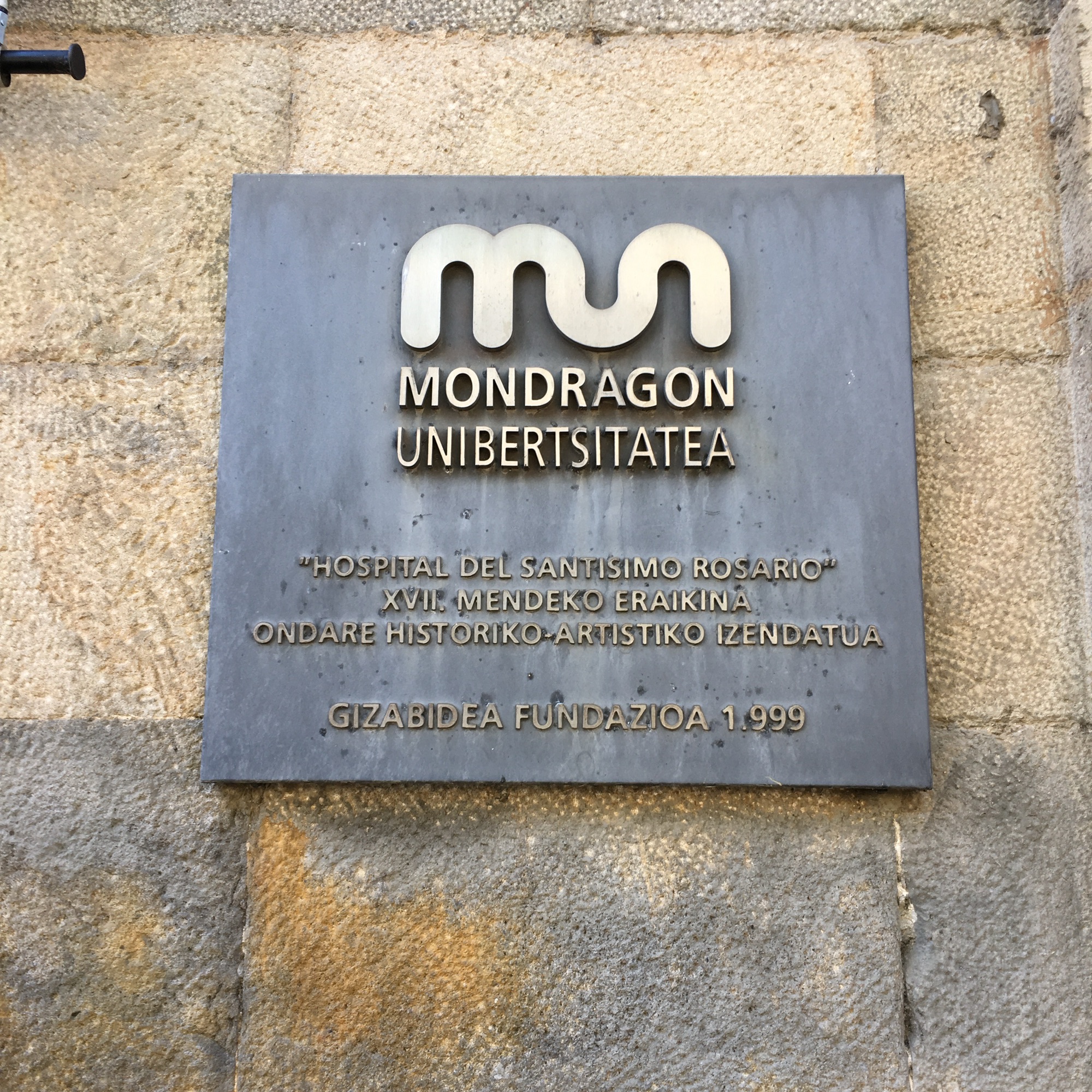
That’s my picture from when I visited in 2018. Stood outside in awe like some tourist visiting one of the 7 Wonders of the World.
Also, here’s a link to a post summarising what happened when Mondragon University visited Wales at the end of 2018. Cardiff University played a big part in making that happen.
There are plenty of Universities involved in Cooperative Education, maybe not so many in the UK, yet.
So, What’s the PONT?
- Doubling the number of Cooperatives in the UK is something I can get behind.
- Yes, focus on the ‘care’ sector but also remember that people who are deeply concerned about what happens in their communities and attach importance to it also ‘care’. Like Housing Associations. That might also be a good place to start.
- Cooperatives (teaching about / becoming one) might be an interesting proposition for Universities in these turbulent times.
 What's the PONT
Leave a reply to Prof. Colin R Talbot Cancel reply