
Meetings are a type of Virus that use humans as hosts to replicate…..
That might strike you as an odd statement; but have a look at the Dilbert cartoon and think about how you would answer these questions:
- Have you ever gone to a meeting where you have no idea why you are there?
- At the meeting people speak your language, but use words and expressions you don’t recognise?
- Throughout the meeting some people speak, just for the ‘joy of hearing their own voices’?
- At the end of the meeting you feel a deep relief it has ended and wonder, ‘what on earth just happened and what did it achieve?’
If you have answered yes to all of those questions, the only logical conclusion must be that there are factors beyond rational human control that have caused the meeting to happen. Something we cannot quite control through the power of efficient business processes and synchronised Outlook calendars. The Dilbert suggestion that meetings are a viral life-form doesn’t seem so strange now……. does it?
It’s Open Season on Meetings. Just to get serious, everyone seems to have turned their sights on meetings at the moment. I’m just as guilty and I’ve written a few posts about meetings (available here) where I’ve put the point across that, despite the problems, meetings are very valuable part of doing business. Face to face contact is invaluable in helping to develop relationships and build trust, and sometimes meeting face to face is the only way to get agreement over difficult issues. But that doesn’t count for every meeting.
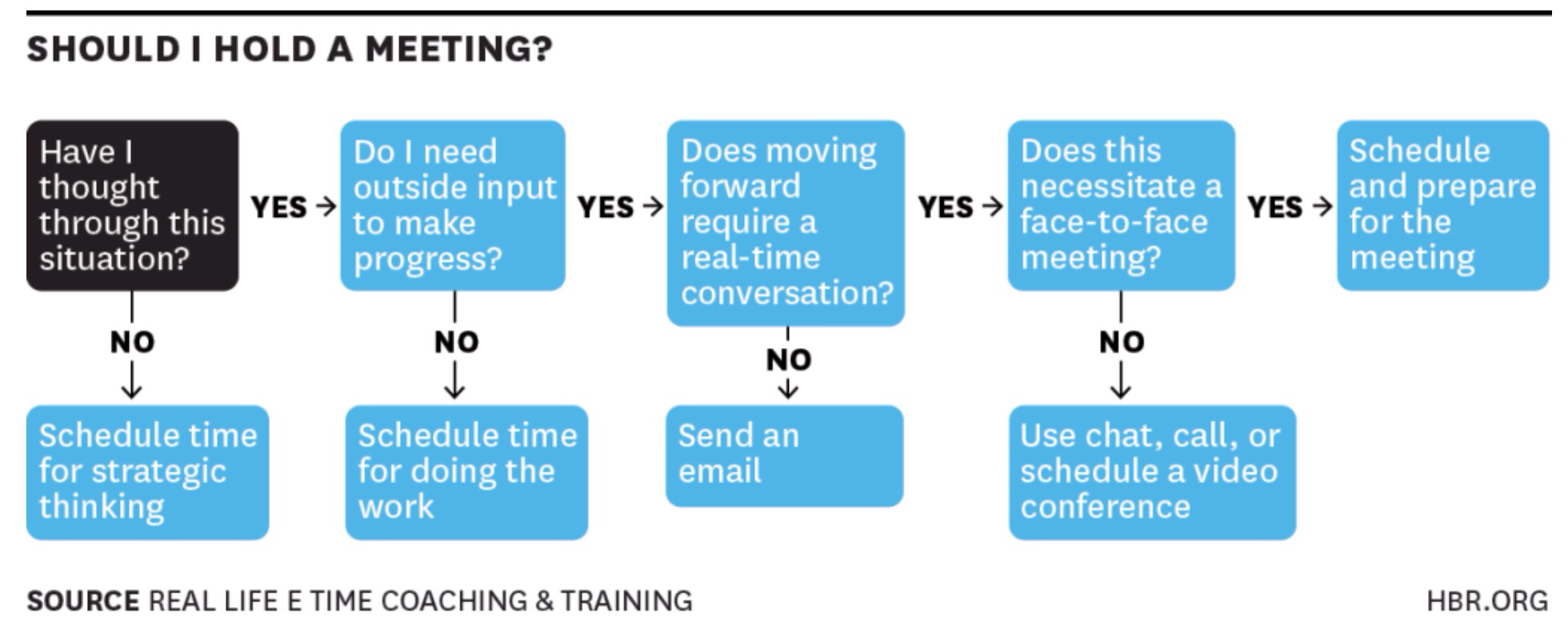
Just to prove it’s a serious ‘grown up’ issue, the Harvard Business Review (HBR) have produced ‘All the Charts, Tables and Checklists You Need to Conduct Better Meetings’. Despite the 1st April publication date, this is a good summary of the things you need to consider, it is worth looking at. You might have seen this ‘Should I Hold A Meeting’ decision tree from the HBR Article which circulated widely on Twitter (thanks to Paul Taylor where I first saw it).
Virus Control in Meetings. In the spirit of meetings being viral life-form, I thought it would useful to apply some anti-viral techniques for keeping them under control. So here goes with; avoiding infection; escaping the Infection zone and slowing down virus replication.
- Avoiding Infection – this is easy, just don’t go to any meeting that doesn’t look useful. Obviously this is easier said than done, especially where some organisations enforce ‘mandatory’ meetings. However it is worth persevering, the HBR checklist is useful, particularly when you have the power to call the meeting. Just think of taking the decision to not call the meeting as the metaphorical equivalent of a good dose of extra strength hand sanitizer. A bit tingly, but worth the effort.
- Escaping the Infection Zone – this particularly applies to the meetings where you are at the mercy of someone else. The longer you stay in the ‘zone’, the more likely you are to become infected with the ‘meeting virus contagion’. You can use multiple excuses to escape and ‘slip away’ for a while. Urgent telephone calls are a favourite, so are lavatory breaks. People will generally be too polite to ask why you’ve been away for ages, and its also a chance to use the hand sanitizer.
- Slowing down replication – only one thing to say here, SABOTAGE. If you become a complete meeting nuisance, in a non-specific sort of way, there’s a good chance you won’t be asked back. There are a few approaches you can take, asking awkward questions is always good, but can be counter-productive. You don’t want to be routinely brought in as the ‘critical friend’ or ‘voice of reason’.
- Be boring – It’s a definite ‘anti-viral’ meeting killer and might get you permanently excluded. If you want some more detail have a read of ‘A Guide to Boring’ from Helen Reynolds.
- The Field Sabotage Guide. The Simple Sabotage Field Manual is a practical guide to basic, but effective meeting sabotage. Produced in 1944 by a predecessor organisation to the CIA it was declassified recently and is applicable 70 years on as it was on the day it was written. You might recognise some of the behaviours from meetings you’ve attended. I have written about it previously (Spotting Field Sabotage), and the picture below clearly explains what you need to do.

So, What’s the PONT?
- Meetings can be a highly effective way of building relationships, developing trust and getting things done.
- Not all meetings are organised to make the most of the valuable resources they attract. Sometimes you can wonder ‘why are we here?’
- Always ask why do you need this meeting? Use things like the HBR ‘charts and checklist’, but if all else fails you could use sabotage to slow down the replication of the meetings viral life-form.
Picture sources:
Dilbert Cartoon: 15 December 2001. http://dilbert.com/strip/2001-12-15
Simple Sabotage Field Manual : http://www.gutenberg.org/files/26184/page-images/26184-images.pdf
Harvard Business Review Meeting Charts, Tables & Checklists: https://hbr.org/2015/04/all-the-charts-tables-and-checklists-you-need-to-conduct-better-meetings
 What's the PONT
Leave a reply to complexwales Cancel reply