People who aren’t interested.
A person who manages one of our local museums recently shared this viewpoint; “it was great you visited, but (people like) you always will. Our target audience are the people who aren’t interested in what we do”
That’s a pretty brutal reflection of the challenge museums face.
It’s made me think about communications and engagement plans and strategies I’ve seen over the years. There’s usually been an assumption that people will somehow be ‘interested’. Even when they are (yes I’m using that awful description) “the hard to reach…”
On reflection it feels like there was an element of ‘entitlement’, or indeed delusion in those approaches. Acknowledging that most people ‘aren’t interested’ has a far more honest and realistic feel to it.
What is relevant now that mattered in the past?
The Museum Manager then went on to talk about how do you get people to engage with history? I’ve interpreted their explanation as a two step approach:
First – immediate relevance. You find something in people’s lives that they care about now.
Second– historical connection. You look for something in history that will help them with their current challenges.
Do those two things and you might draw people in and get the ‘not interested’, interested in history. It feels like a relatively straightforward and obvious thing to do.
So this got me thinking. What are the things that currently matter to me, and people I know, and how could history be relevant? I’m genuinely trying to move beyond my local history geekiness here.
What do the newspapers say? To help me in this quest I’ve browsing the newspaper headlines in the local shop. If what I read is to be believed, we live in Bonkers Broken Britain (apparently).
What did stand out beyond those headlines was the Cost of Living Crisis. Everyone, including me, is rightly concerned with sky high costs on everything from; rent, electricity, gas, water and everyday grocery costs.
So where might some history help here? One thing absolutely stands out for me here, and conveniently it’s on display at the Cynon Valley Museum, is Cooperatives.
Hello Aberdare and District Cooperative Society.
I’ve mentioned this in a previous post which talks about the astonishing things the communities of the South Wales Valleys did in the past – like build reservoirs.
It’s hard to adequately put into words what the Aberdare and District Coop did, so please have a look at these articles written by the Cynon Valley Museum.
Some of the numbers and facts that stand out for me include;
- During the 1950/60s they had over 20 shops across the Valley.
- They employed a lot of local people, on decent wages and conditions.
- Their turnover was £8million in 1985, equivalent to over £30million nowadays.
- They literally provided everything people needed – from cradle to grave – including servicing your car, repairing your watch and making radios.
- At one point they had 180,000 members and provided 45% of all the retail activity in the district.
There’s a lovely phrase in the Cynon Valley Museum article, “the Society seemed to work in everyone’s favour”.
Everything was done in the interest of Members; local people. So when the ‘cost of living’ is a big concern, the local cooperative grocery shop (in which you have an interest as a member) is a means of easing that pressure.
Cheaper groceries because there is no extraction of the profits to people beyond those who use the Coop. It all seems so bleedin’ obvious! And it’s local history.
I should mention that my friend’s Dad worked for the Aberdare Coop. They speak about it with a huge fondness and pride, the bit that numbers don’t show. It was a massive part of local identity and social cohesion.
What’s this got to do with knowledge and history?
Going back to where I started this, the knowledge of what happened locally is almost forgotten. People only vaguely talk about the local cooperative, and don’t realise the power it had.
I’d suggest that most of the people who are ‘not interested’ in the Cynon Valley Museum also know nothing about the Aberdare and District Cooperative Society, or do they…?
There might just be the faintest memory of something your Gran used to do with collecting dividend stamps, or your Uncle getting the car properly serviced for a sensible price? So there might be a flicker of hope that we can recall a time when Knowledge was Power. The power to do amazing things that made life in communities better.
For next time… There’s lots more I want to say about this topic so in the next post I want to talk specifically about knowledge and education in the Cooperative Movement.
Oh, and don’t let me forget to say something about what is already happening in the Basque Country. The Mondragon Corporation is an example of cooperative economic control on a huge scale and they even have their own University. If only…
Finally. I do wonder if the current Cost of Living Crisis is a trigger that might get people interested in history. We might realise what we were once capable of, and start doing those things again?
PS. Do visit the Cynon Valley Museum, and also establish a local coop.
So, What’s the PONT?
1. Recognising that your target audience ‘aren’t interested’ in what you have to offer is a useful alternative approach to engagement. It really makes you think about how you do things.
2. Understanding what actually matters now, and how history can relate to people’s current problems might stimulate people’s interest.
3. Locally we have a huge history of people solving their cost of living crisis by forming retail cooperatives. That’s got to be relevant to the current day cost of living crisis?
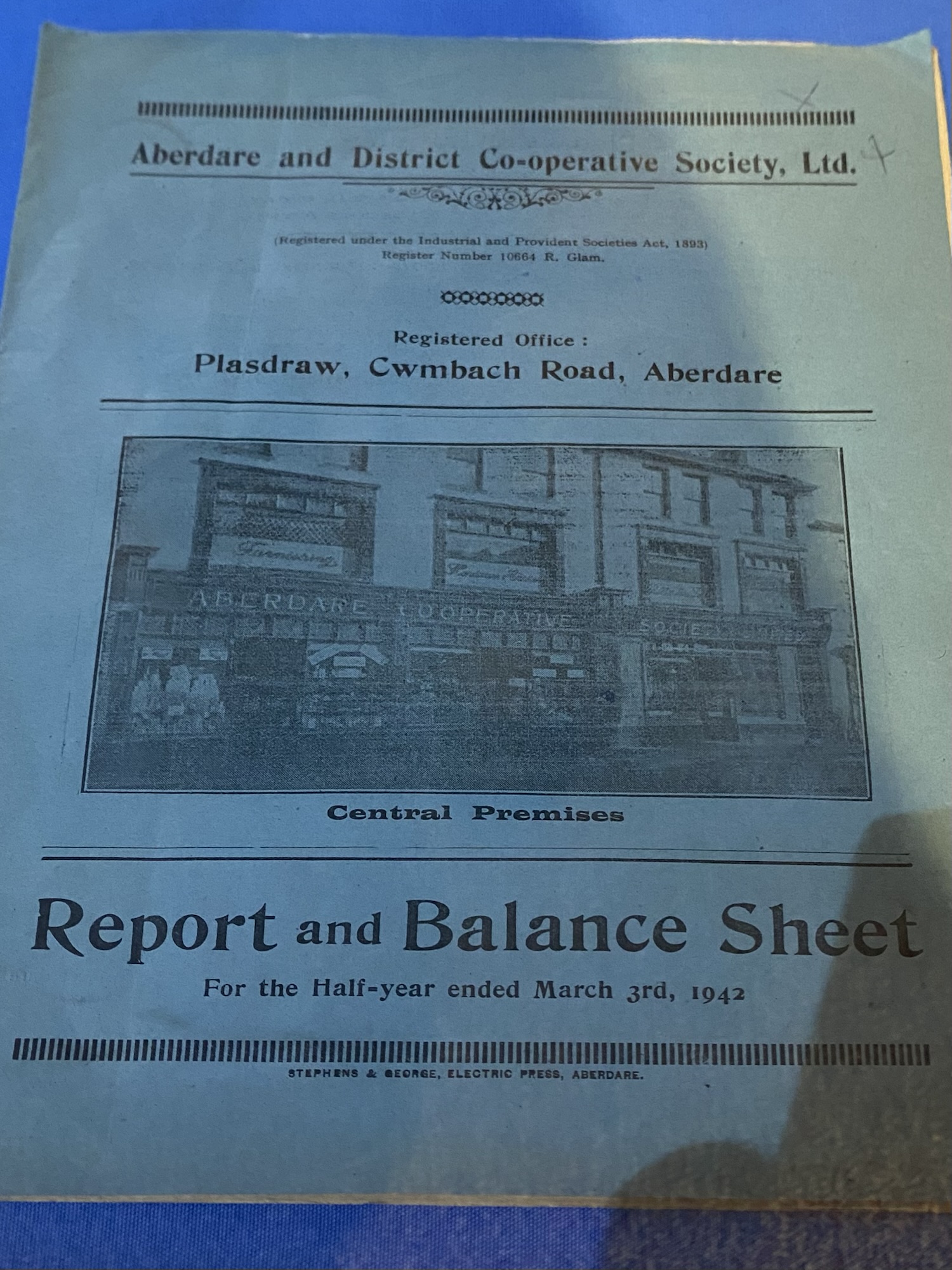
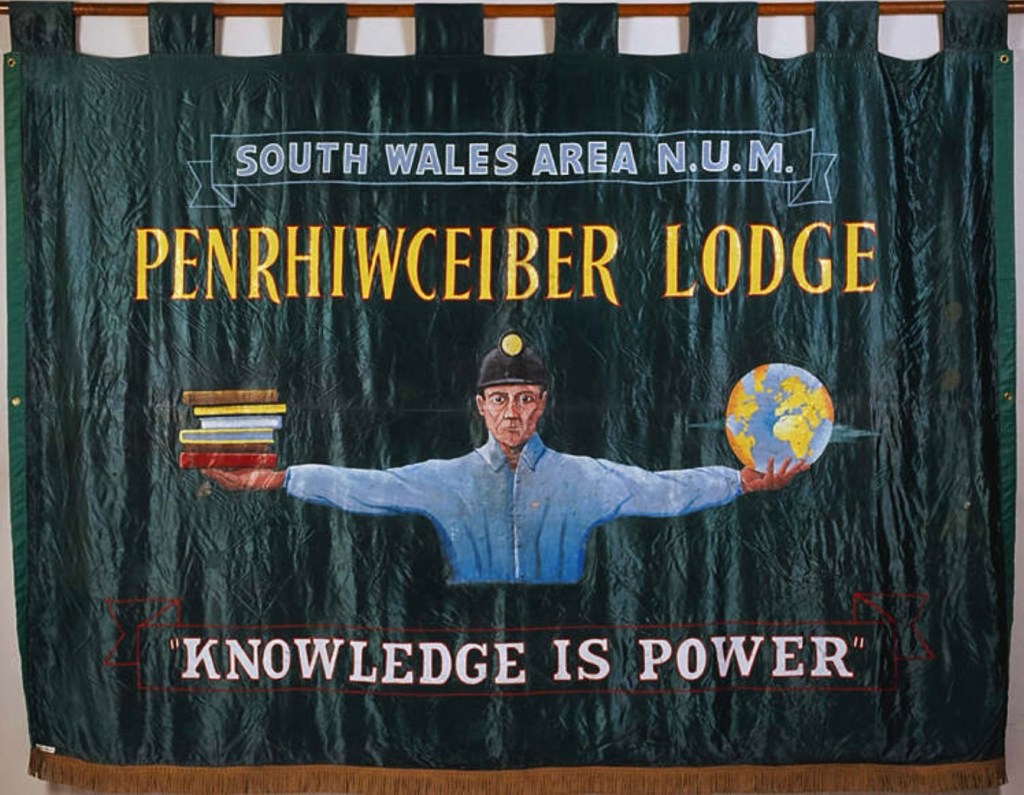
Both pictures from the Cynon Valley Museum


Leave a Reply