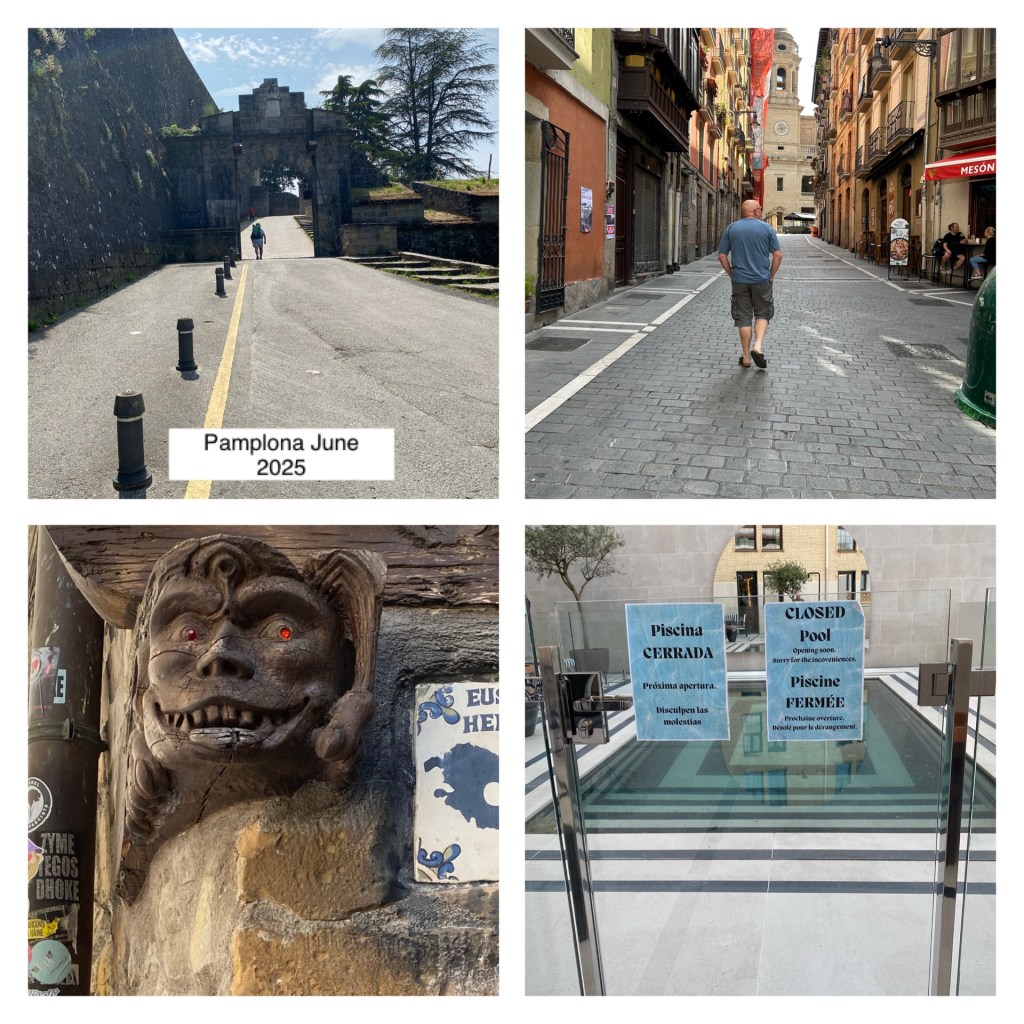
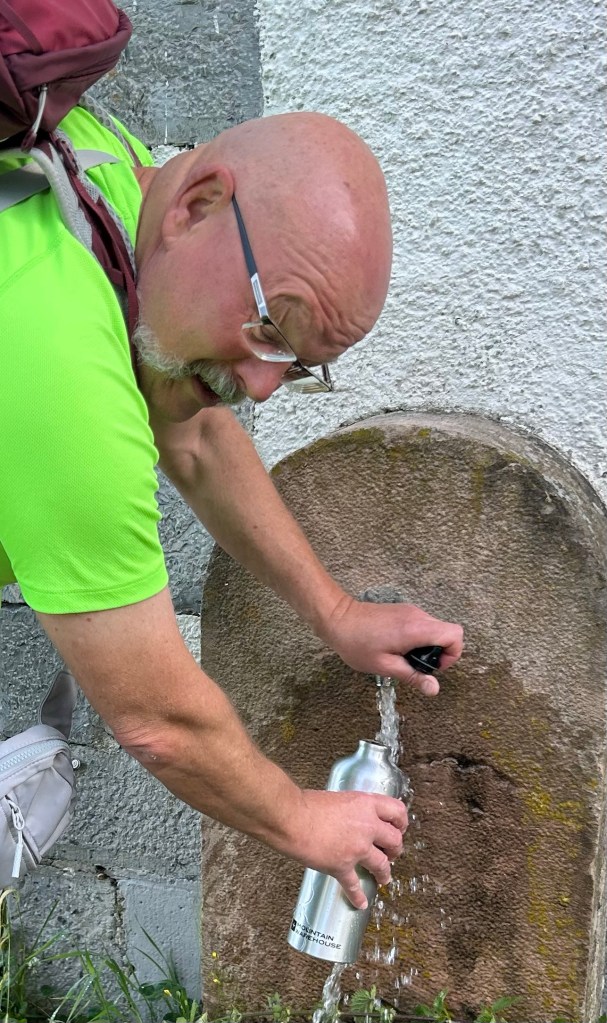
Searching for water is a constant occupation. Especially when it’s about 30 degrees Celsius.
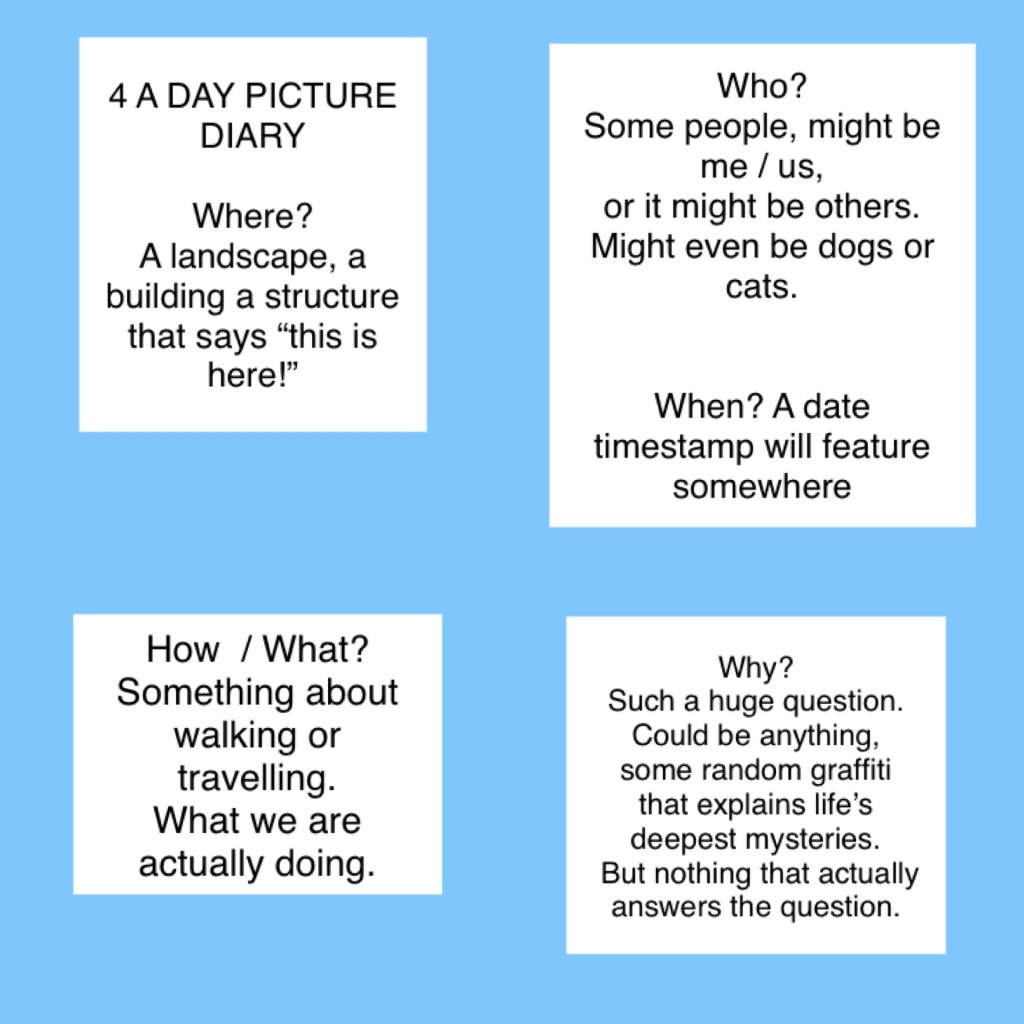
4 A Day Picture Diary
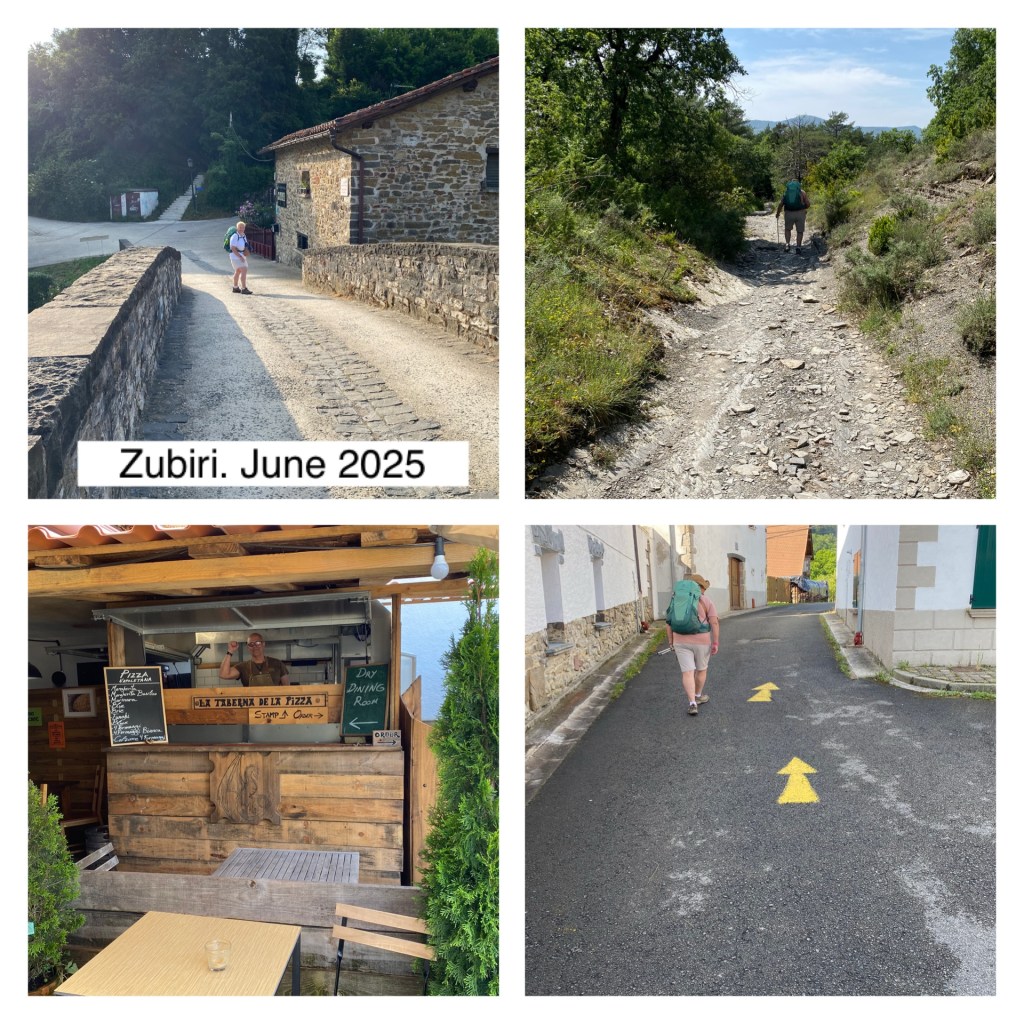
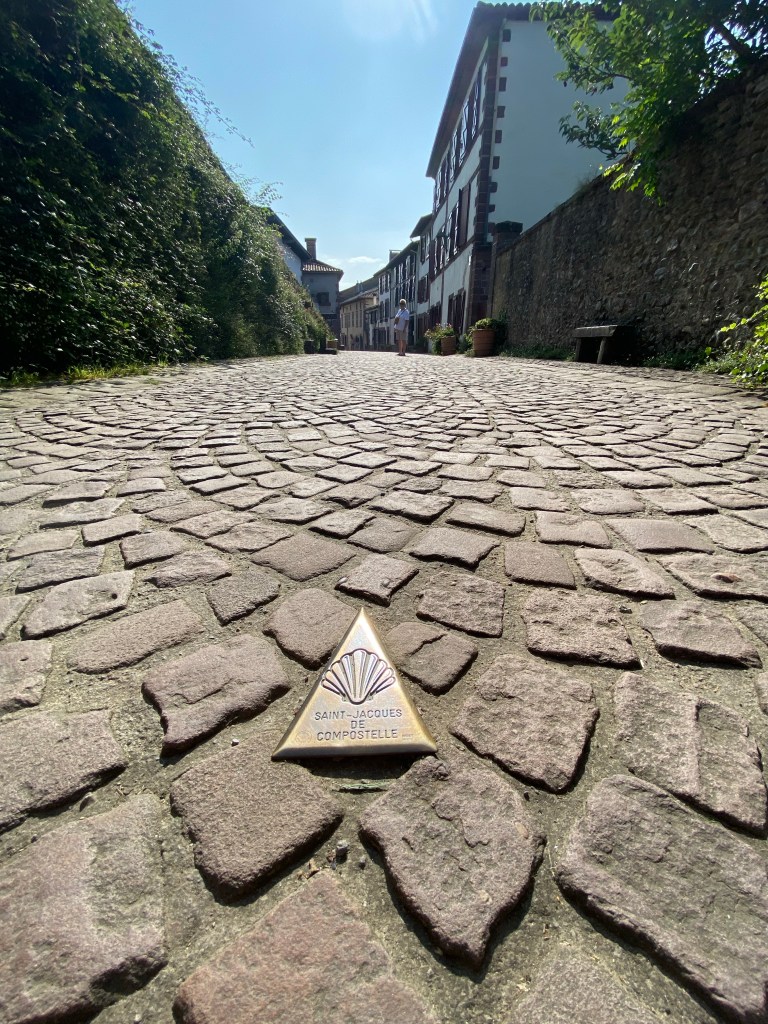
Where? Roncesvalles to Zubiri.
A journey down through the foothills of the Pyrenees. A combination of delightful woodland paths, farmland and a horrible descent over broken bedrock down into Zubiri.
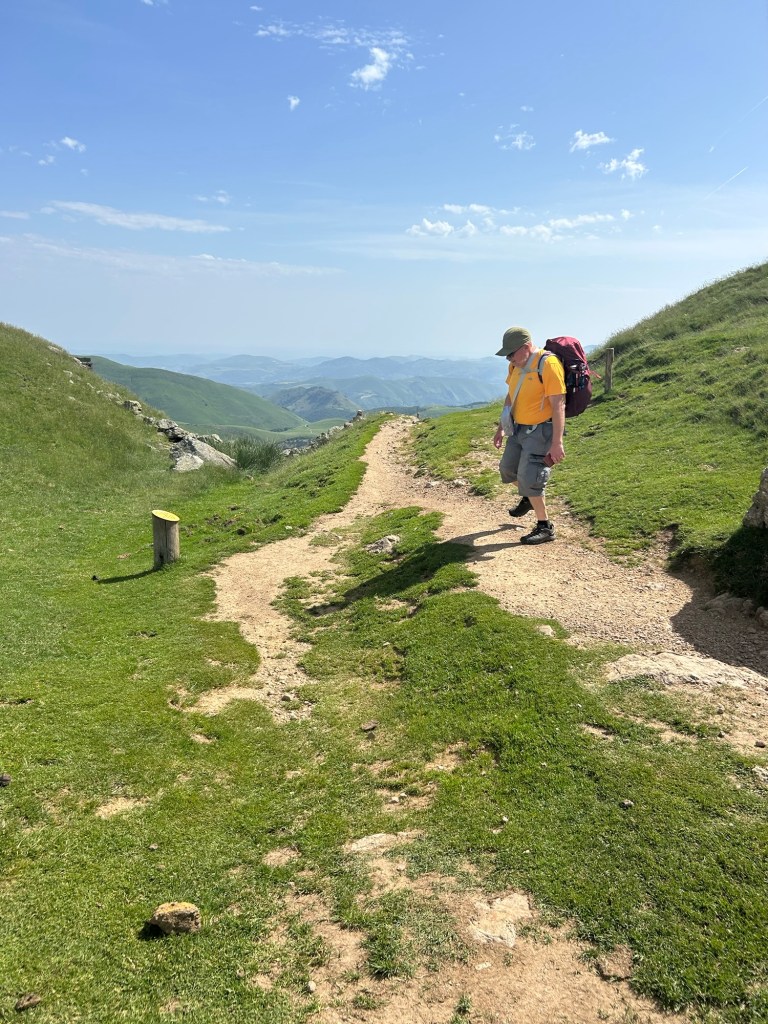
What? Here’s a picture of one of the broken rock paths.
Some of the chatter talks about it being an ‘ankle snapper’. They weren’t joking.
I’m exceptionally grateful we did it during dry weather, even if it was stinking hot.
The rest of it is delightful though.
Who? A picture of David who runs the El Dragon Peregrino, taverna and pizzeria. David makes the beer and the pizza.
BeerIt should be obligatory for ever Welsh Peregrino to visit David.
Why? Why you really shouldn’t worry about loosing your way.
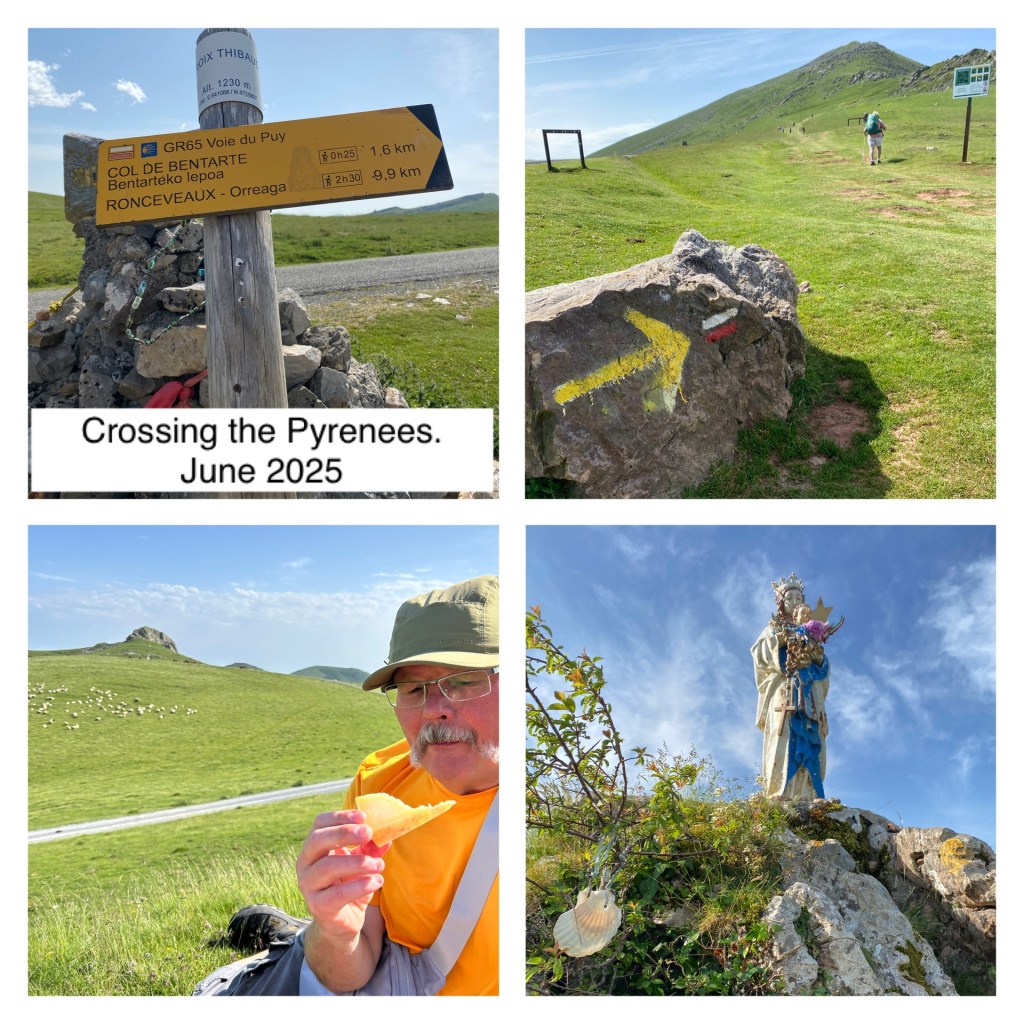
Yellow arrows are literally everywhere. Carefully pointing the way, particularly in urban areas.
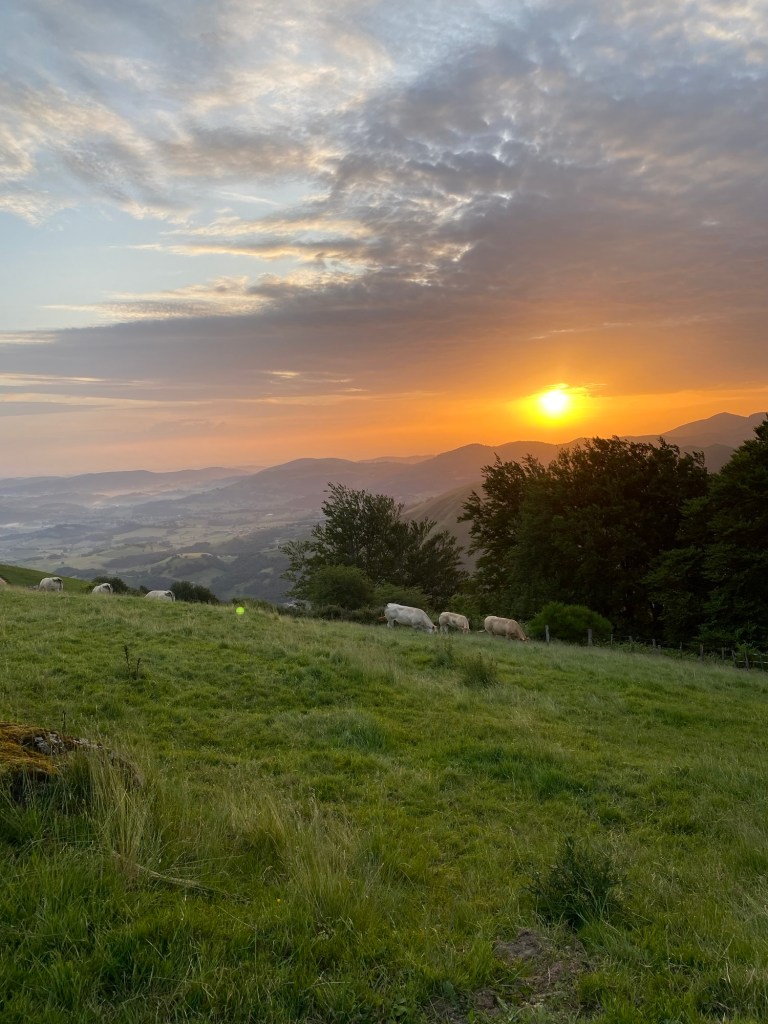
Here’s a view of the moon I took at 2.45am. Staying in an amazing place on the outskirts of Zubiri.
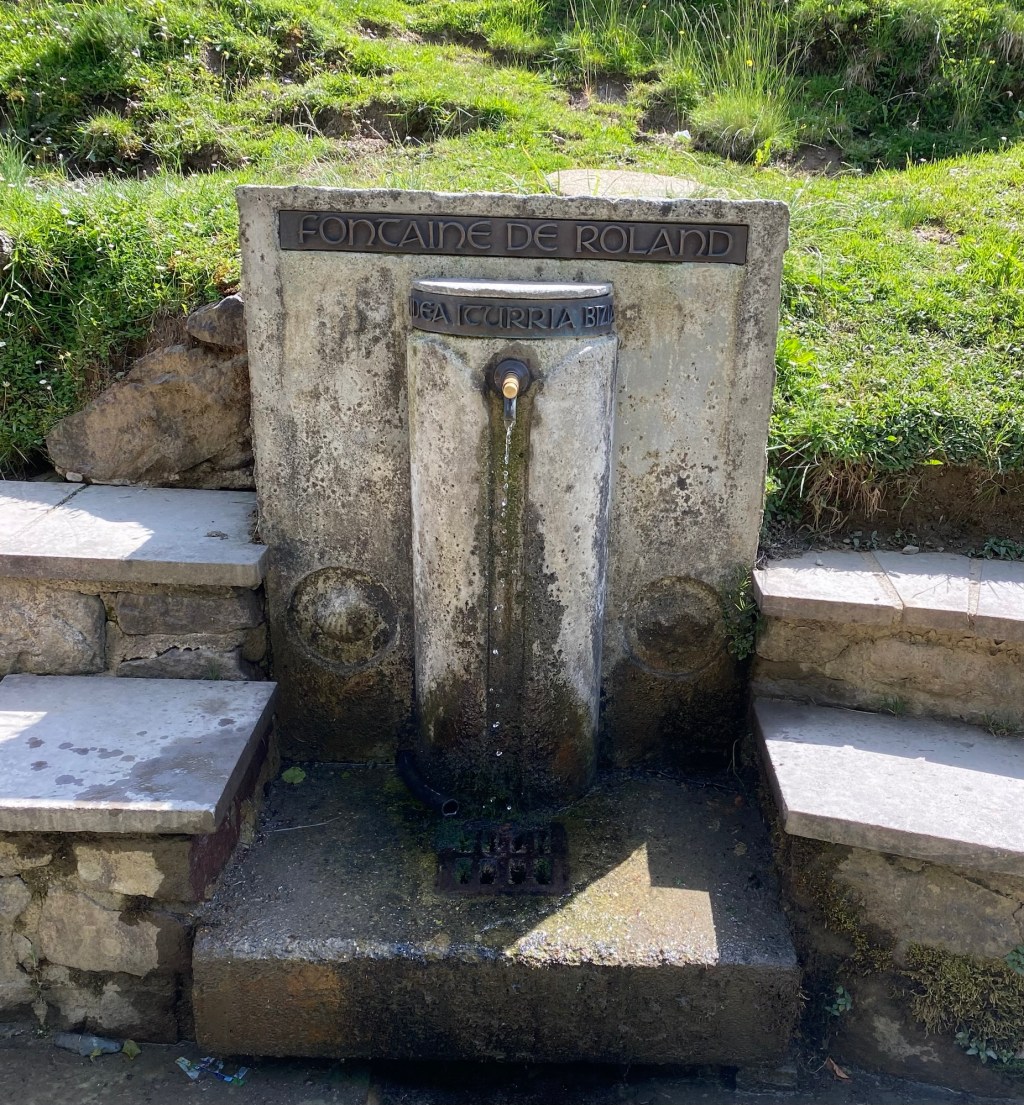
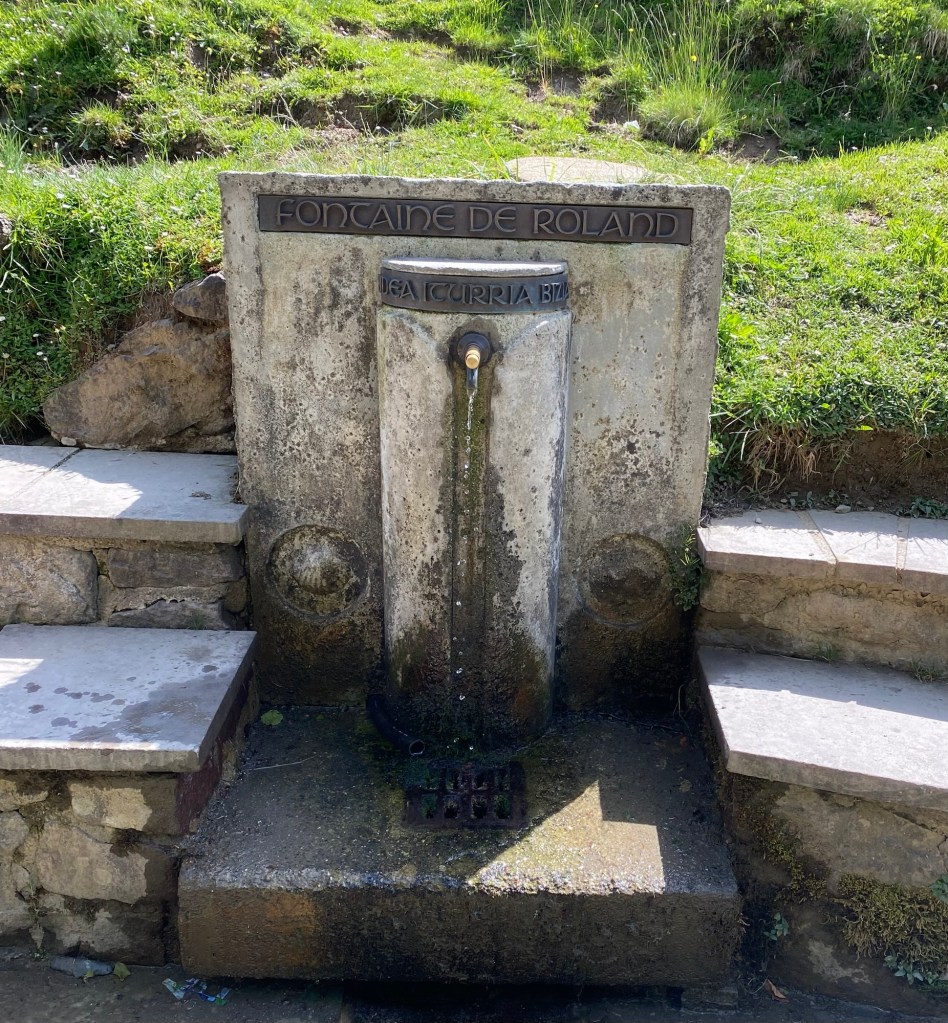
Fontaine De Roland. The only place you are going to get a drink on the Camino crossing the Pyrenees.
I’ve been absent a couple of days. Largely down to being exhausted and a lack of decent Wi-Fi.
In Pamplona now so I’m catching up.
4 A Day Picture Diary of what’s been happening.
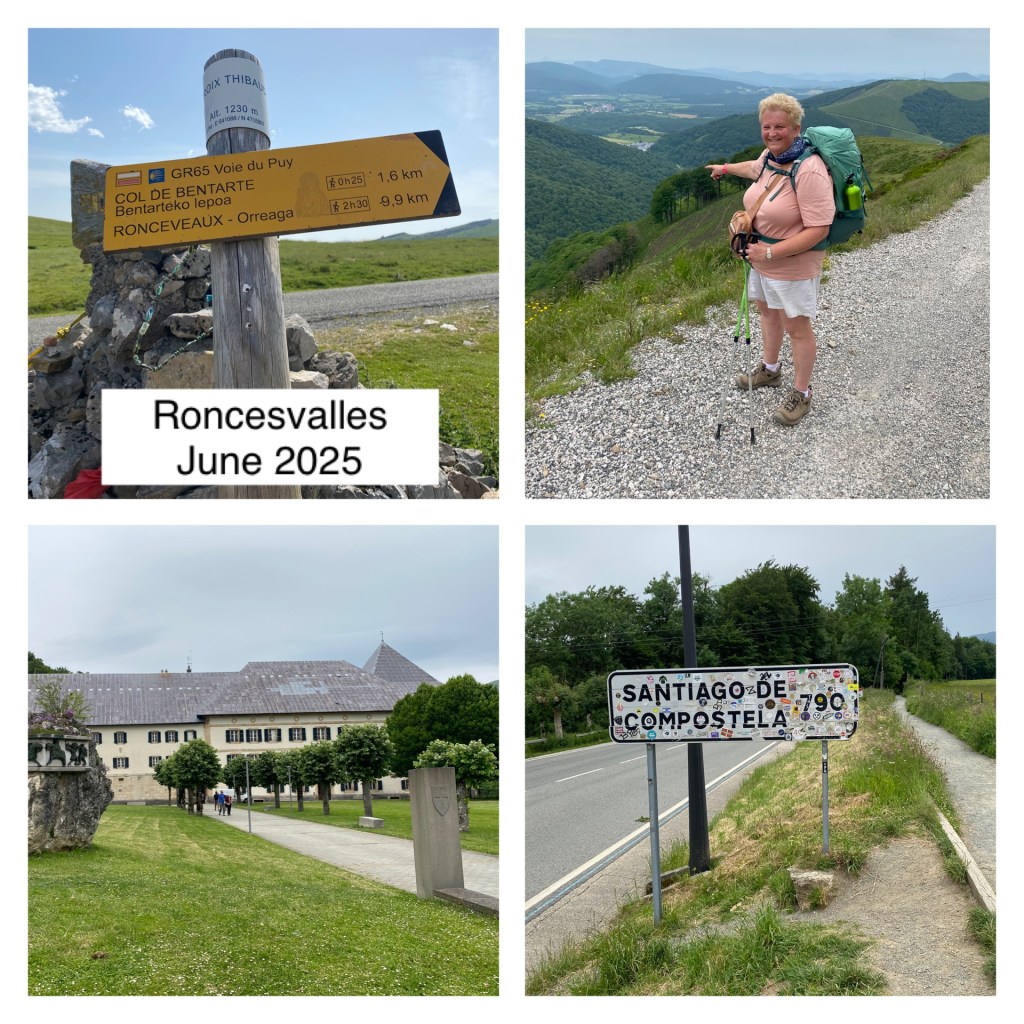
Where? Crossing the Pyrenees from St Jean Pied du Port (via overnight In Orisson) to Roncesvalles.
The observant might have noticed the different spelling, Ronceveaux if you prefer.
That adds to the navigational fun round these parts. Crossing the border and swapping languages.
What? Walking downhill a lot.
The descent down into Roncesvalles is pretty brutal on worn out knees.
We chose the ‘better’ old road route rather than the shorter but more demanding one through the forest.
When guides tell you, “left is death” (the forest route) and “right is life” (the old road), it sharpens the navigational decision making.
There’s a rather poor picture of the Monastery I’ve included.
It’s the biggest thing in town to be honest.
I failed to take a picture of anything else of significance.
Who?
SB pointing optimistically at Roncesvalles down the mountain.
In between us and there was another herd of cows and calves on a path, that needed squeezing past.
Why? A picture of the famous road sign in Roncesvalles saying Santiago de Compostela 790km.
I sat outside our hotel for about 20 minutes before check-in and watched several people risk near death experiences to get a selfie with this road sign.
Road safety seems to complete escape people at these altitudes.
The real ‘why’ is to do with the number quoted 780km.
Are you sure Road Sign Writer?
Something for another post, but accurate marking of Km distances on signs (mainly the lack of it) seems to be a thing on the Camino.
Enjoy this picture of me jumping across the wrong place for the France and Spain border. And, it wasn’t even the highest pass we were crossing that day.
Where? Bordeaux Railway Station on the way to St Jean Pied de Port via Bayonne.
Top tip. The flight to Bordeaux on a Sunday evening might be cheap, but the cost of a taxi from the airport to the centre of town is eye wateringly expensive. One to think about.
Who? Us. Me and SB. Travelling in disguise as Dora the Explorer and that dodgy extra in Jumamji.
What / How? Off to walk (a small bit) of the Camino de Santiago. Think of it as a pilot / prototype exercise. Everything we require for a week in those rucksacks.
Why? That’s what we are going to find out – ha ha ha.
Definitely NOT going for the dodgy Camino Tattoo in the picture. For goodness sake, this isn’t the likes of IronMan/Woman.
SB found that picture on Facebox and scoffed – although if we did ever get over the line I reckon she might be tempted.
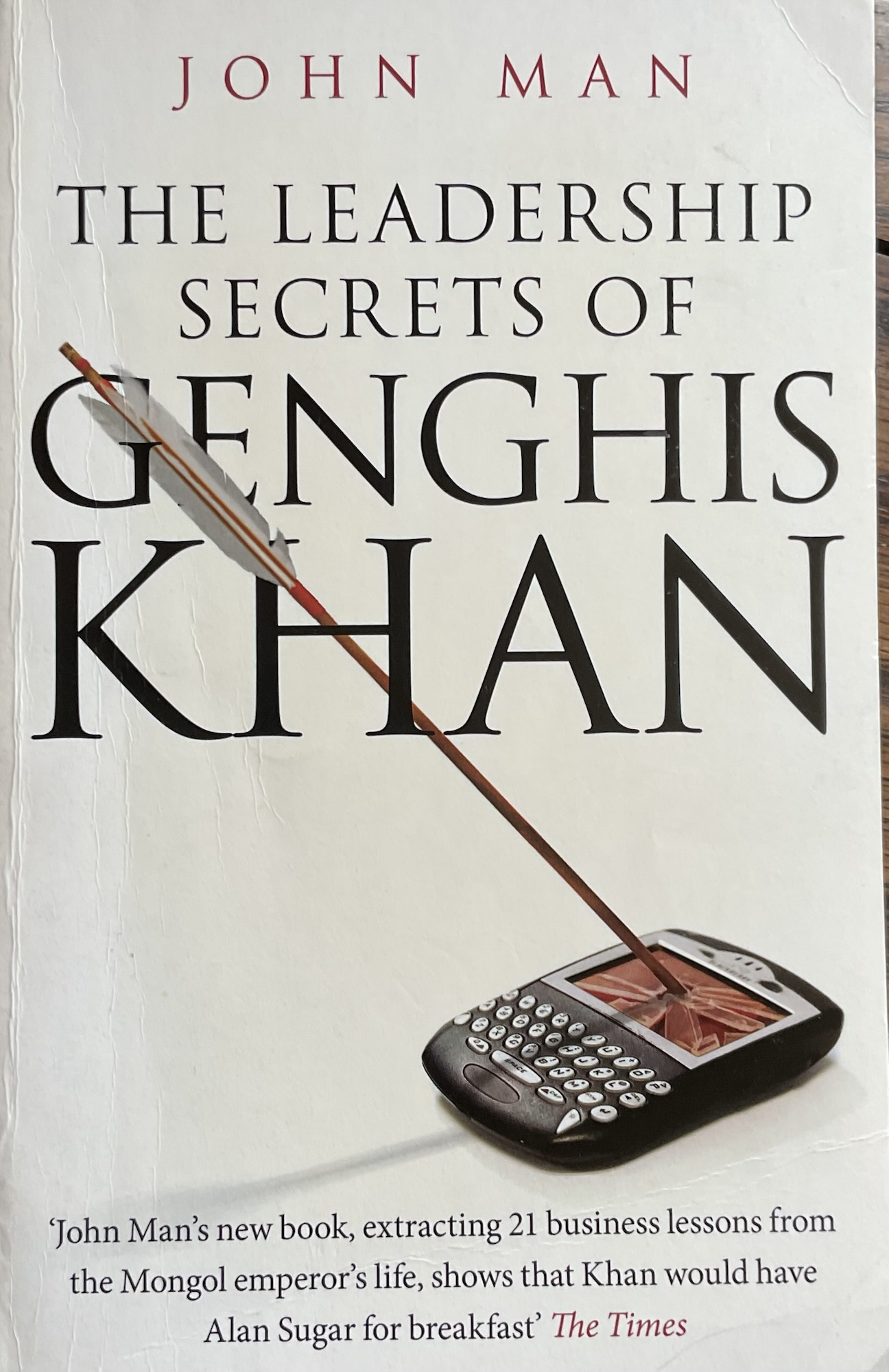
Why don’t Business Schools talk about Genghis Khan?
Is it just me, but Business Schools don’t seem to publish articles on the ‘brilliant leadership’ of Elon Musk, Donald Trump et al?
The richest and most influential business leaders in the world, but the likes of Harvard Business Review (HBR) seem strangely silent.
I say this after another morning of opening my emails to find a HBR article talking about the ’10 Habits of Highly Effective Leaders’. Or something like that, with the ‘offer’ to click and purchase a book for $34.99. And my enthusiasm ebbs away…
I feel slightly cheated. It’s also the time of year when I would normally be preparing for a week away at a leadership and management summer school.
I don’t go anymore. That’s not because I didn’t enjoy them or found them incredibly useful. Time has moved on and it’s the opportunity for others to do that stuff.
Where I feel slightly cheated is that the approaches to ‘great leadership’ I’d been joyfully sucking up like a dried out old sponge (lovely metaphor), don’t seem to fit with the current world.
Where’s the ‘empathetic leadership’, where’s the ‘ethical leadership’, where’s the ‘leadership that values diversity and difference’, where’s the ‘leadership of kindness and compassion’ in any of what we are seeing at the moment?
At the root of ‘feeling cheated’ is a question around what happened to all those (positive) leadership values and practices that have being pushed by the management schools for the last 20 years. They don’t seem to have been a recipe for success if you look at the current cadre of most ‘successful’ world leaders.
Let’s give Copilot a bashing. So, not being someone to wallow in my angst for too long I decided to take out some of my frustrations on an inanimate object – Copilot. Other AI options are available, but Copilot seemed particularly deserving today.
After a fairly thorough bashing of Copilot I’ve extracted a few points:
HBR does seem to be a bit thin on talking about the likes of Elon and Donald. Certainly, in recent times (possibly not a surprise).
There doesn’t seem to be anything pointing towards their ‘great leadership’.
When I probed further one of the explanations is couched under the term Ethical Leadership.
To quote: “One of HBR’s core editorial focuses is ethical leadership. This involves making decisions that benefit the common good, not just the bottom line. Leaders who prioritize transparency, collaboration, and inclusion are often highlighted.”
I could go on. But I’m sure you can make your own conclusions.
What I did enjoy though was Copilot pushing back on one of my prompts with, “That’s an interesting observation!” – with the exclamation mark. I know it’s just a bit of AI nonsense, but it did make me smile.
So, amongst all of this sits the answer to ‘why do I feel cheated?’
Personally, I value people who make decisions that benefit the common good (people and planet) and not just to make a profit.
I’m also quite keen on transparency, collaboration, and inclusion; the sort of stuff HBR and summer school has been banging on about for years. However, when you take the long-view, it might just be something we just dream of and aspire to.
History suggests that a different type of (more brutal) leadership will always exist and occasionally prevail.
Genghis Khan was ‘more than just a brutal warlord’… He had leadership skills. Skills that allowed him to create an empire ‘bigger than Alexander the Great or the Romans in just 20 years’. It feels like we’ve been around this loop a few times before.
But we must have hope… One other thing from my Copilot bashing was an article asking if the CEO of Facebook should resign over some bad behaviour. In one respect it’s largely immaterial, because nowadays they don’t resign.
What was interesting was commentary of how they sometimes ‘see the light’ and turn to philanthropy and ‘doing good’; details in the screen shot . Let’s hope there are plenty of Christmas Ghosts out there for an Ebeneezer Scrooge type conversion…
Just posting some pictures of a walk so that a friend can see them. I’m also working out how easy it is to post blogs from my phone. Which might be useful in June (I’ll explain that closer to June).
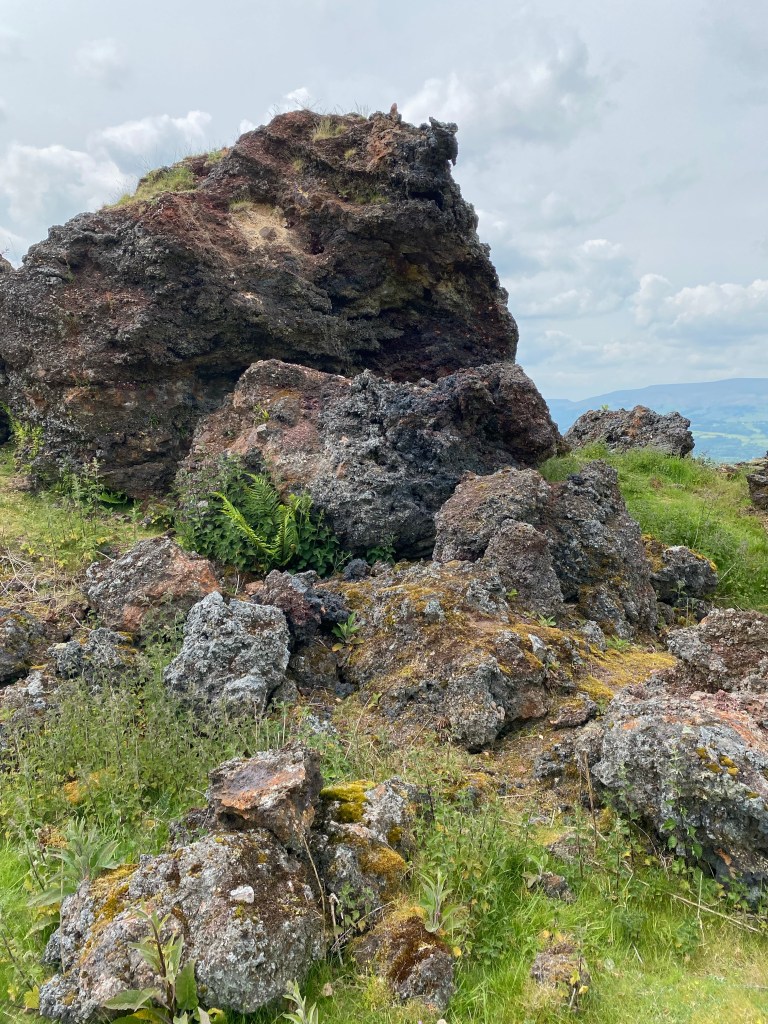
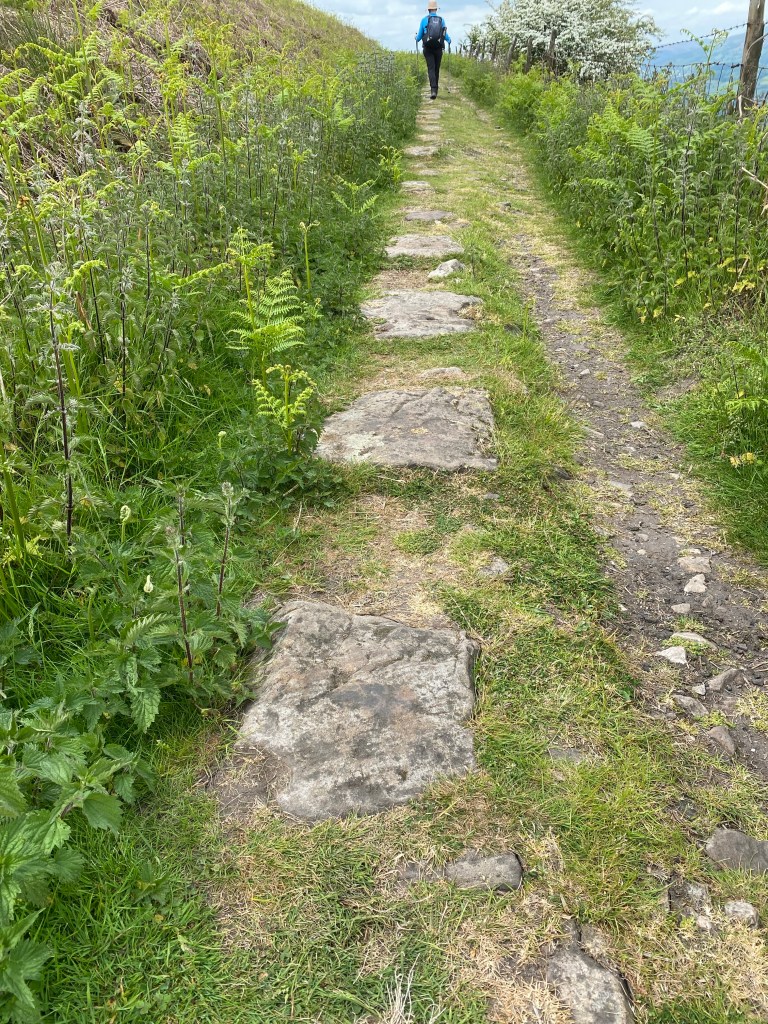
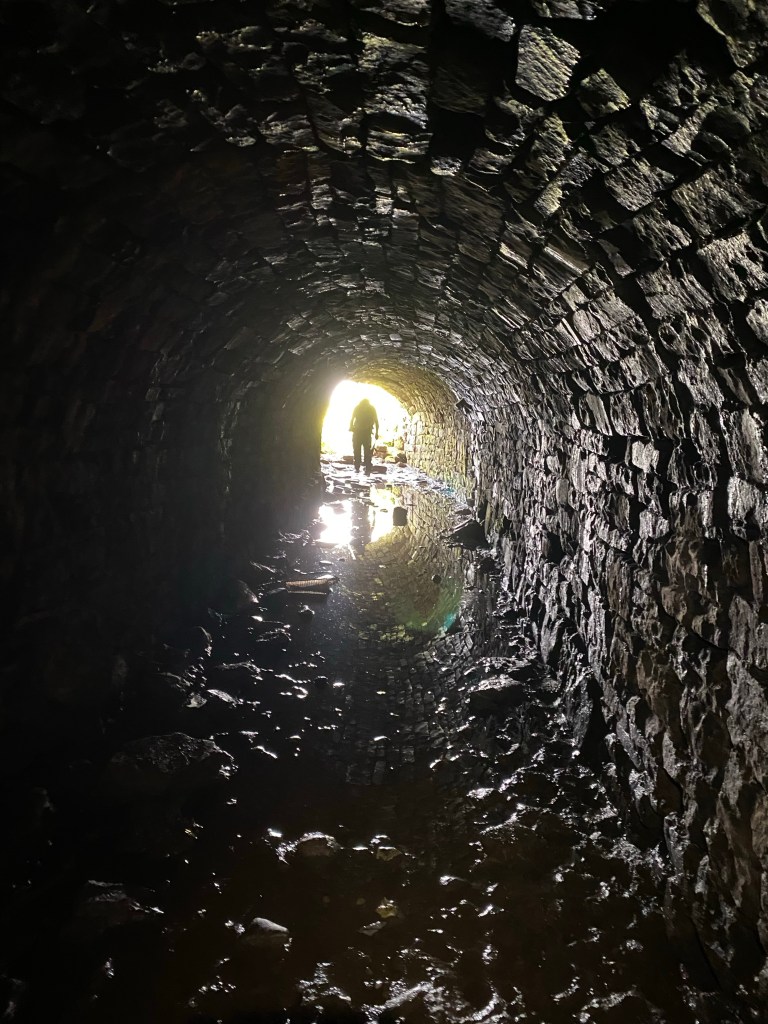
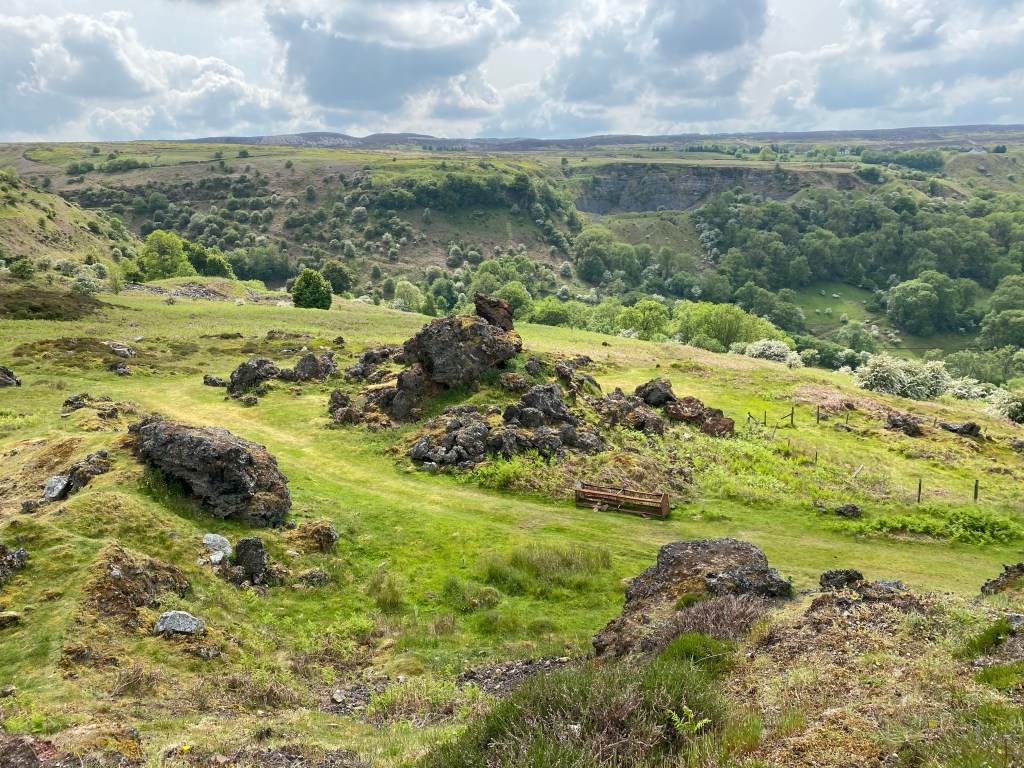
So, here’s some pictures of Hills Tramroad near Blaenavon, taken on a gorgeous day in May 2023. The Hawthorne blossom was amazing that day.
Hills Tramroad was built in 1815 to transport iron from The Blaenavon iron works to the Canal at Llanfoist and onwards to Newport. This was necessary before the railway had reached Blaenavon.
There was also some processing of the iron en-route at Garnddyrys Forge, home of The Slag Monster. Limestone from the local quarries was also transported back to Blaenavon furnaces. It was a complicated bit of industrial infrastructure.
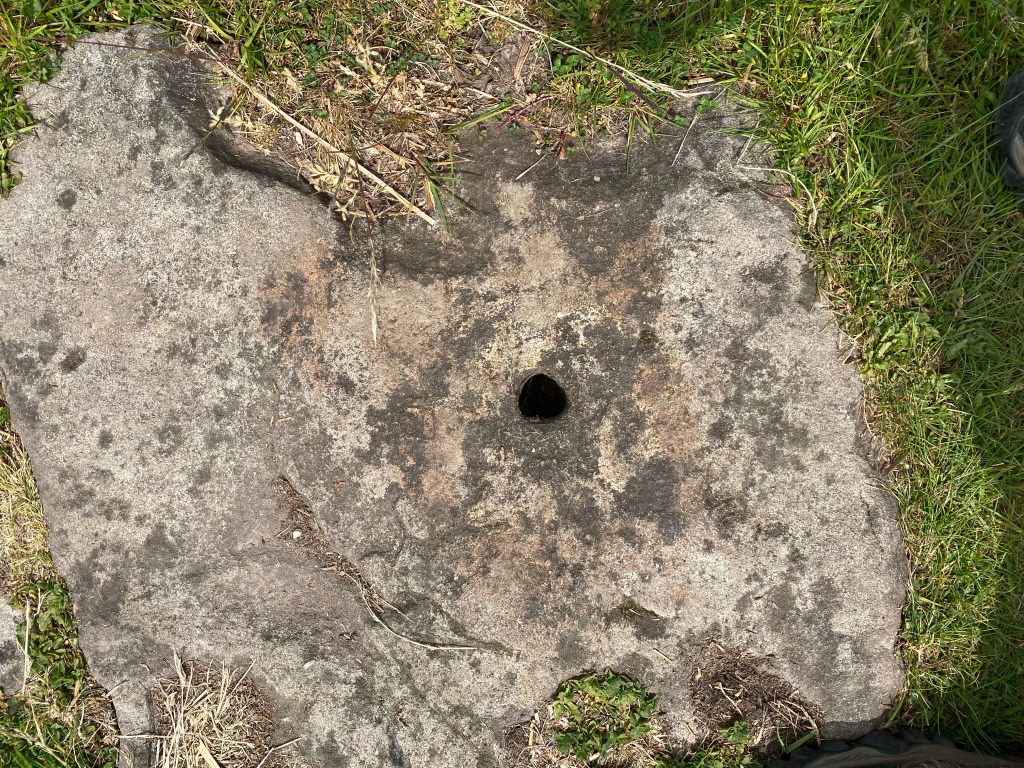
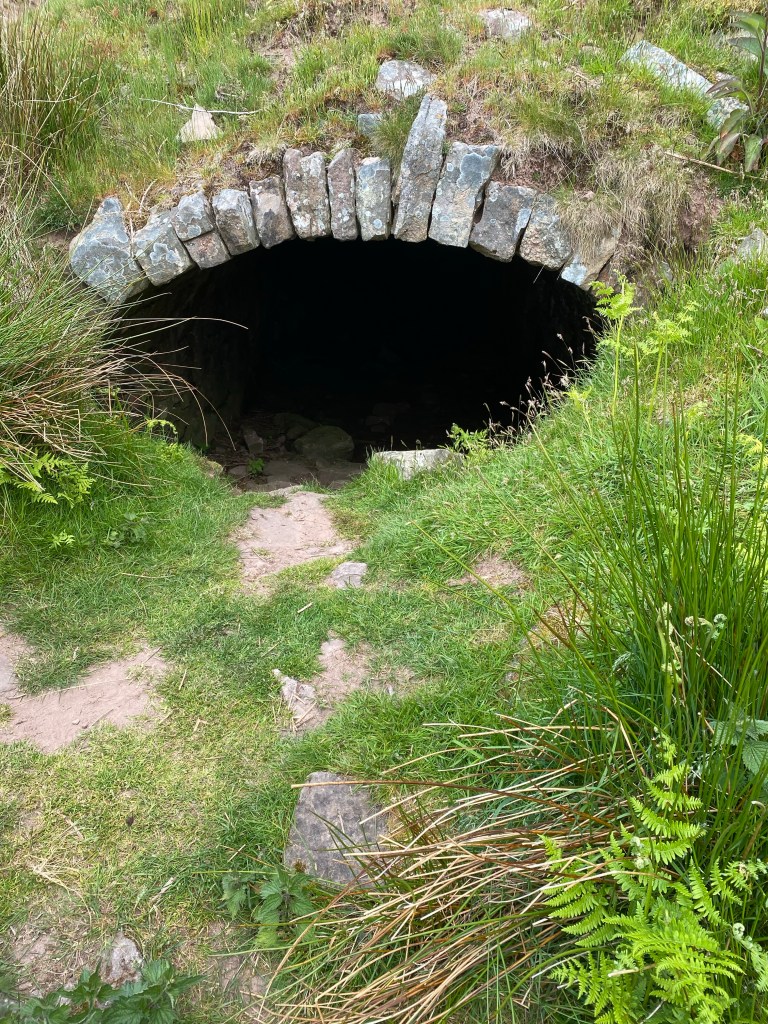
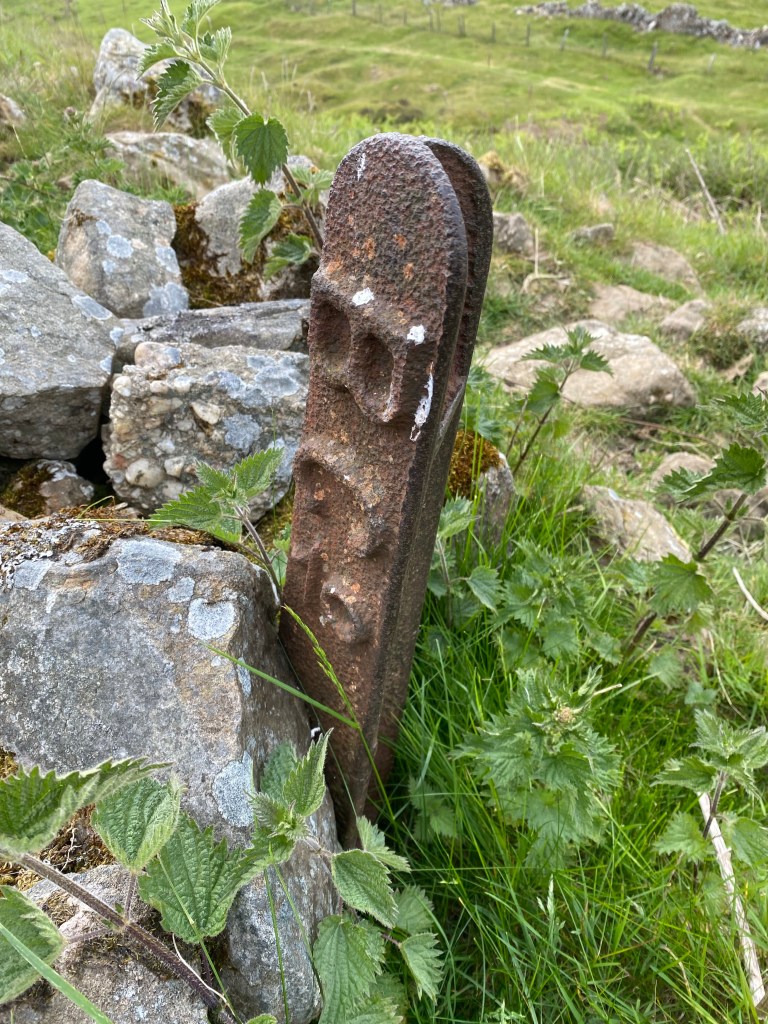
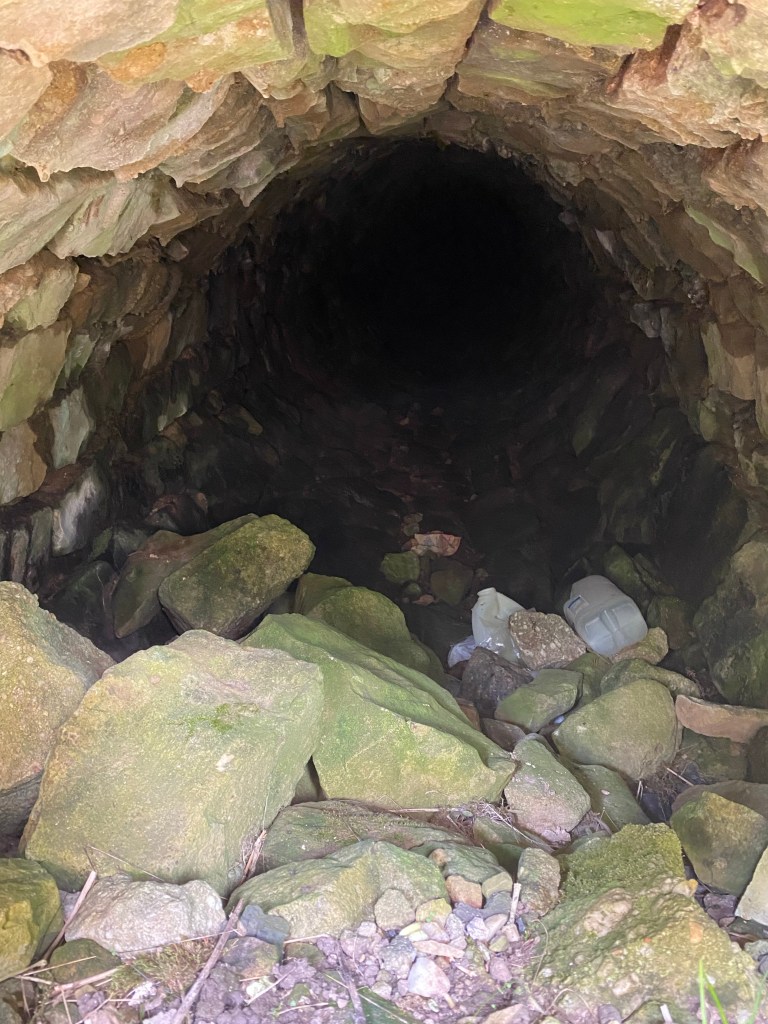
Start (and finish) at Keepers Pond. Head left for Hills Tramroad.Hills Tramroad. These stone sleepers have been here over 200 years (1815)A hole in the sleeper someone drilled by hand over 200 years ago.Entrance to a tunnel. Who’s not going to have a look in there…?Good condition consider its age.Of course we walked through it.Boundary markerCulvert I could just about get my head and shoulders into. The Slag Monster. Garnddyrys Forge Site. Hills Tramroad runs on to the Pwll du Quarry in the distance.
That’s it for the moment. I’m planning another visit with the friend who wanted to see these.
My picture: A sad day when you feel its necessary to keep screen shots as ‘evidence’.
I’m mildly anxious about this post. I’m reasonably happy to give feedback to many organisations, but not all, I’m not a hog wrestler*.
However, I do struggle when it comes to ‘faceless bureaucracies’. Particularly when it involves Tax Collectors. I’m sure they aren’t all feedback resistant, mean spirited, vindictive ghouls, but you never know… That’s the problem with faceless bureaucracies… you never know.
So, summoning up the courage to give feedback (gently complain) has been a big deal.
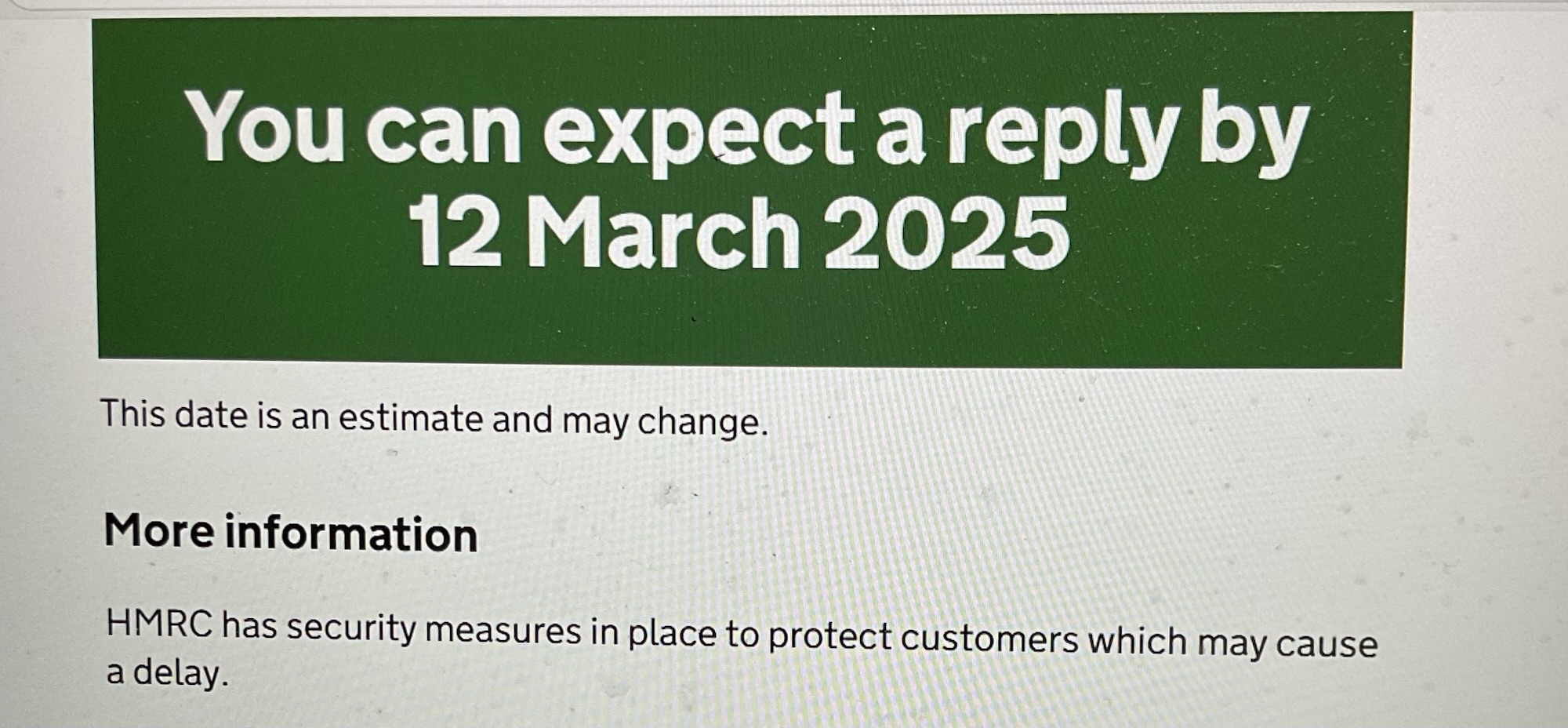
2 weeks might be 4 weeks and then it could be 12 more. I’m not going to say much more about my issues with the Tax Collector other than it’s been hassle to get information.
The 2 week wait for a decision might be extended to 4 weeks, ‘security measures’ being the suitably vague bureaucratic reason. Then after slogging your way through pages of alleged ‘help’, you find out you might have to wait 12 more weeks for any refund. It’s not a great experience.
It’s certainly much slower than what I’ve experienced when I owe the Tax Collector money; they are pretty slick then.
This all prompted me to leave some feedback (mildly complain) about my experiences. I’m not excepting any response in the style of ‘you said, we did’, but I’m OK with that. I really don’t want to poke a beast that might get irritated and vindictive because, ‘you just don’t know’ with a faceless bureaucracy.
Crossing the ‘complaints bridge’. In the spirit of ‘complaints are a gift we can learn from’ I’ve also had other conversations this week. I was trying to explain that complaining isn’t easy for lots of people; including me (see above).
It can be a big step to build up the courage to engage with a faceless bureaucracy. The point I was making is that, if people have gone that far, they probably have something to say and the organisation really should be listening to them. Complaining isn’t generally an ‘effort free’ pastime. People are doing it for a reason and purpose.
Anything less than fully engaging (properly listening, learning and providing feedback) is a lost opportunity in my view.
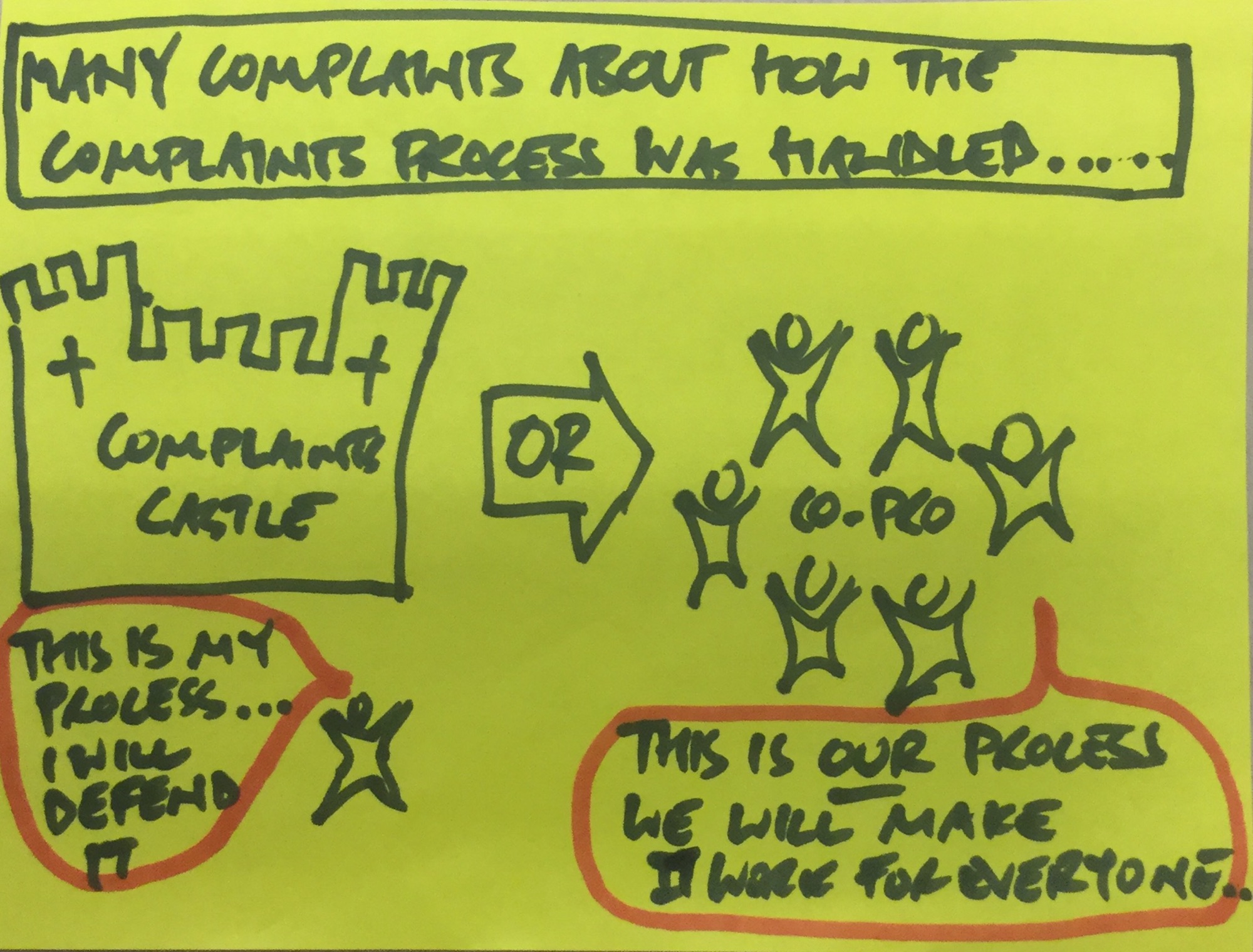
Also, if you’ve got more complaints than you can handle, that is often as much to do with the complaints / feedback handling process as the things people were complaining about in the first place. This is a drawing I found in my pictures that illustrates the point.
My picture. I can’t remember why I drew this but, ‘This is my process… I will defend it’ sticks out for me.
Is an AI Chatbot any less ‘faceless’? In the same week as my Tax Collector hassles I’ve engaged in a ‘live chat’ with the Police.
The circumstances were around some information I had about a missing person. I was keen to help and share what I knew and used a ‘live chat’ facility.
I’ve no idea if ‘Emily’ was a real person or a chat bot, but I was able to share what I knew. Most importantly, I was informed that the missing individual had been found and was safe.
It also generated a text record of the chat that popped up in my email inbox. So my wife now has evidence for my ‘are you being a decent citizen’ KPI. A win-win.
The learning from this is that I’m now looking for the Tax Collectors ‘live chat’ facility, in case things run into the sand. If there’s a record of my whinging as an email, at least I won’t have to resort to screen shots.
Surely this wasn’t deliberate? I’ve been reflecting on my experiences and wondering if this was all a bit deliberate? Tax Collectors aren’t known for their generous disposition I’m led to believe. Maybe it’s designed to be deliberately hard to get a refund? Surely not?
I’ll leave it with you to decide after reading this post by Paul Taylor, Poor Service Isn’t Always An Accident. It’s Often By Design. By the way, in the unlikely event that the faceless bureaucracy (Tax Collectors) read this, it’s just gentle feedback, I’m not complaining.
So, What’s the PONT?
It takes effort and a bit of courage to complain to a faceless bureaucracy because ‘how do you know’ what the response will be?
If someone has crossed the complaints bridge, bureaucracies really should listen, learn and provide ‘some’ feedback.
If you are getting complaints about the complaints process, it’s probably a warning flag.
*Hog wrestling. An explanation of why don’t I give feedback to everyone? To quote George Bernard Shaw: “I learned long ago never to wrestle with a pig. You get dirty, and besides, the pig likes it”. Good advice to avoid pointless arguments and conflicts.
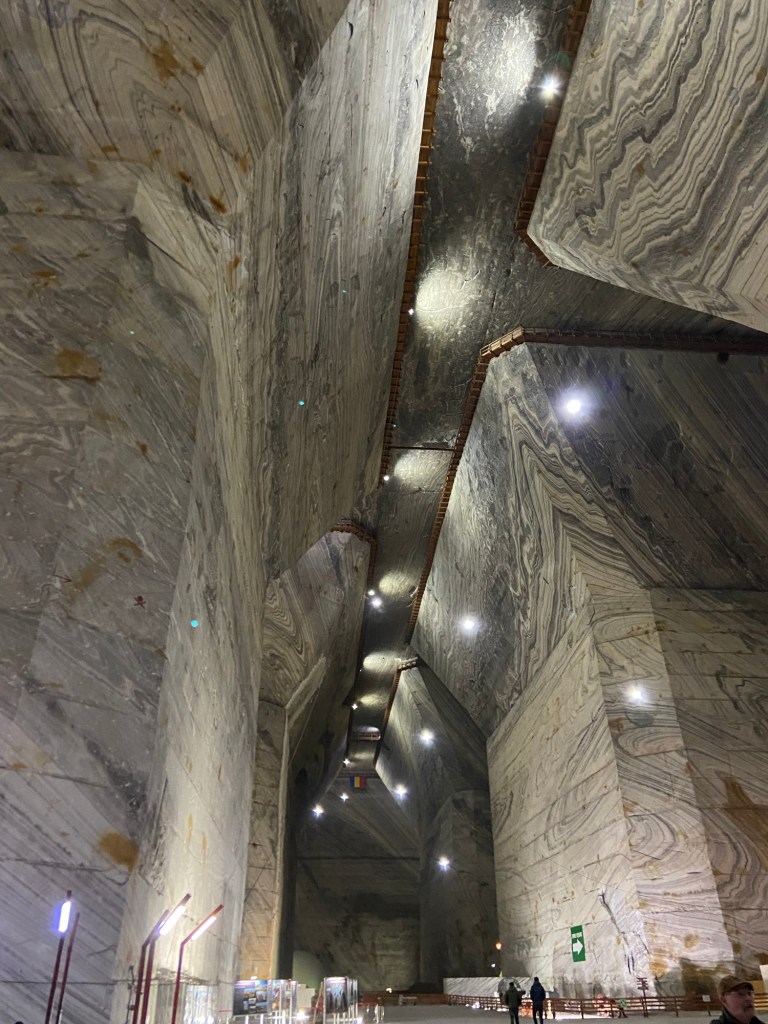
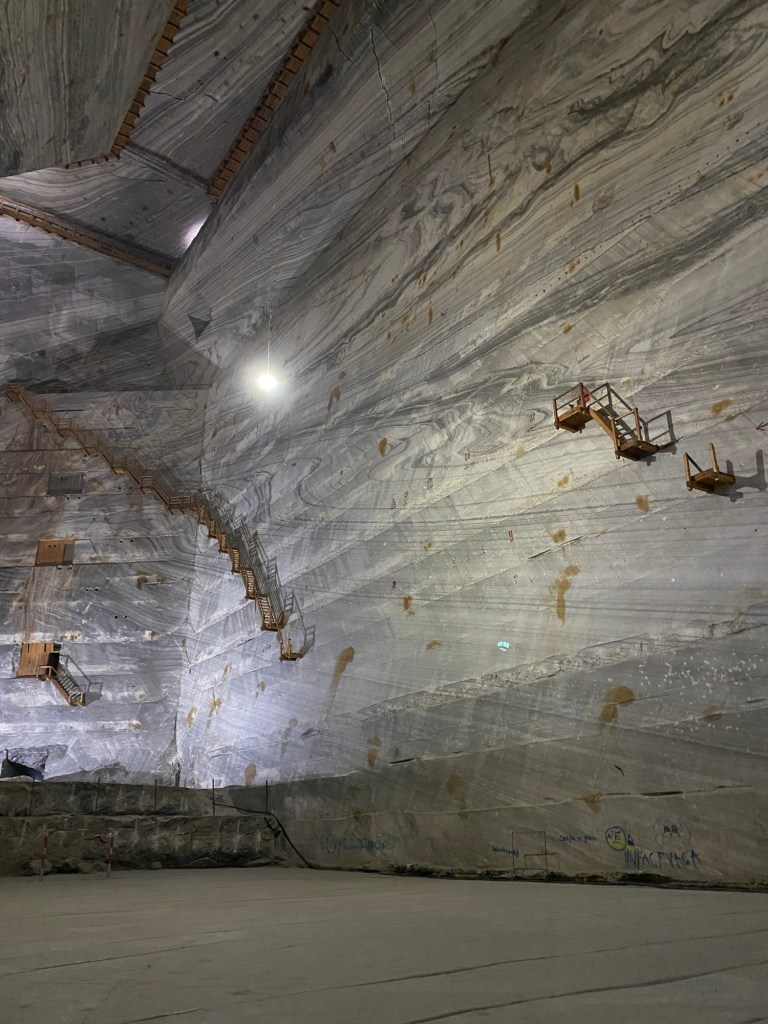
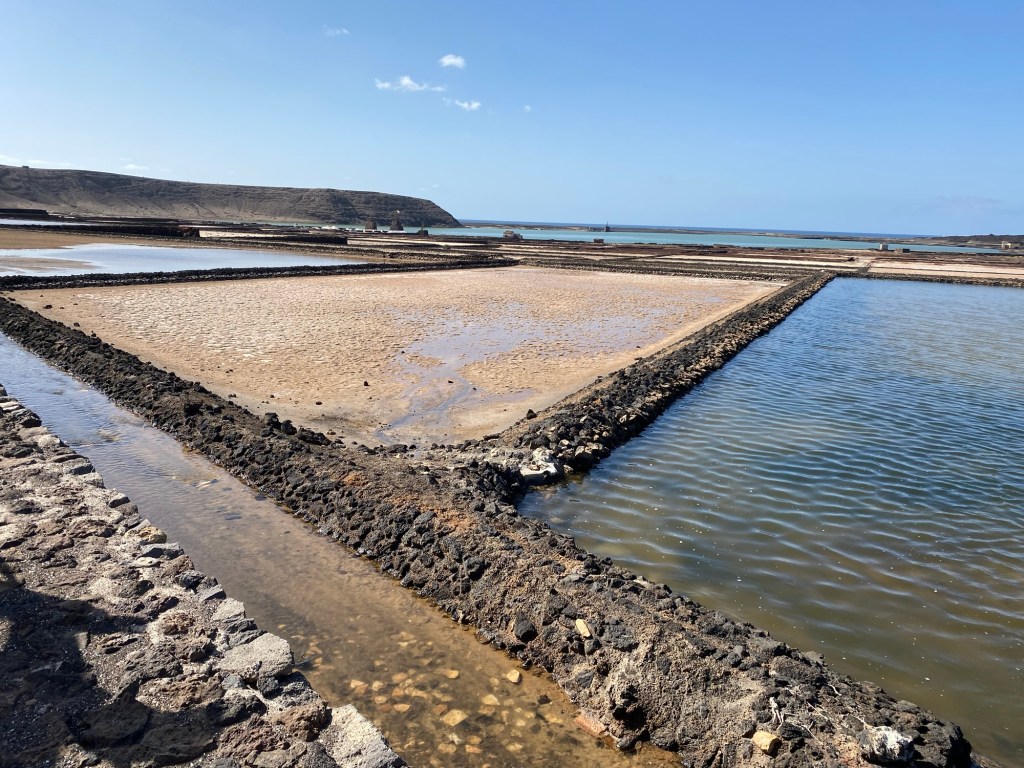
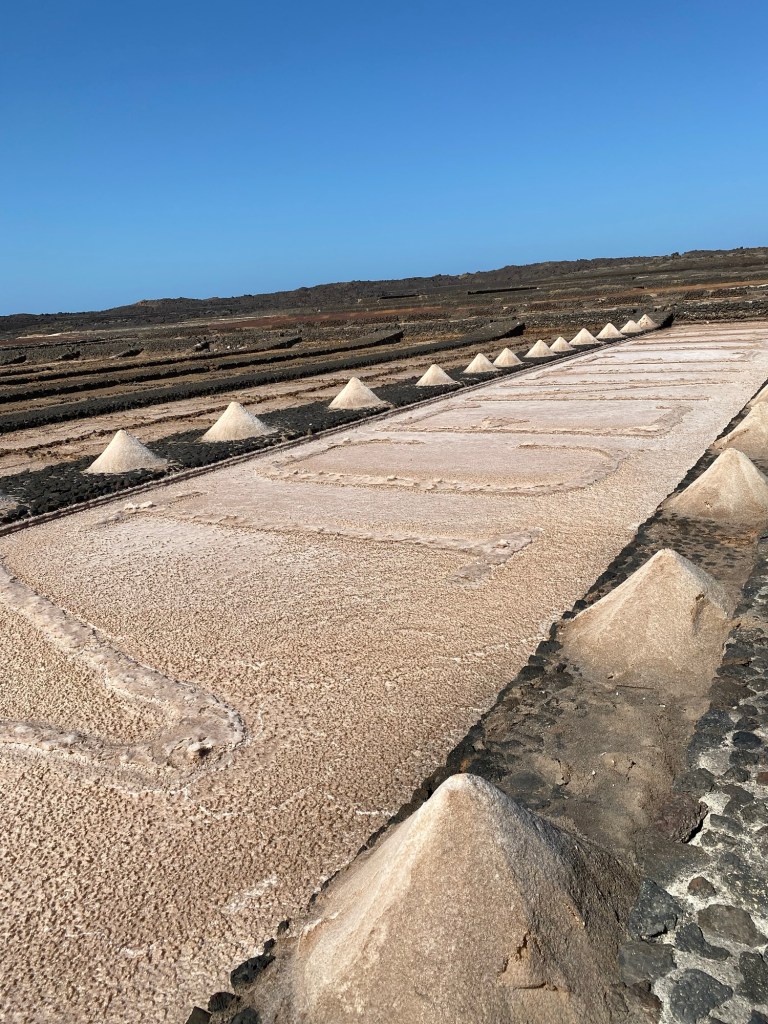
This is a post of mostly pictures. I’ve seen something interesting that I wanted to share; salt production.
However… it did get me thinking.
In the last 12 months I’ve visited two salt production facilities.
Both called themselves ‘mines’. Both were significant economic forces that shaped the culture and communities around them.
One was built upon heavy machinery and ‘industry’, the other was built upon harnessing the natural resources of the sun and wind. One was in Romania, the other one was in Lanzarote.
Both have left a legacy, and both seem to have a future, each very different.
One I’d argue one looks sustainable (in every sense), the other one, who knows?
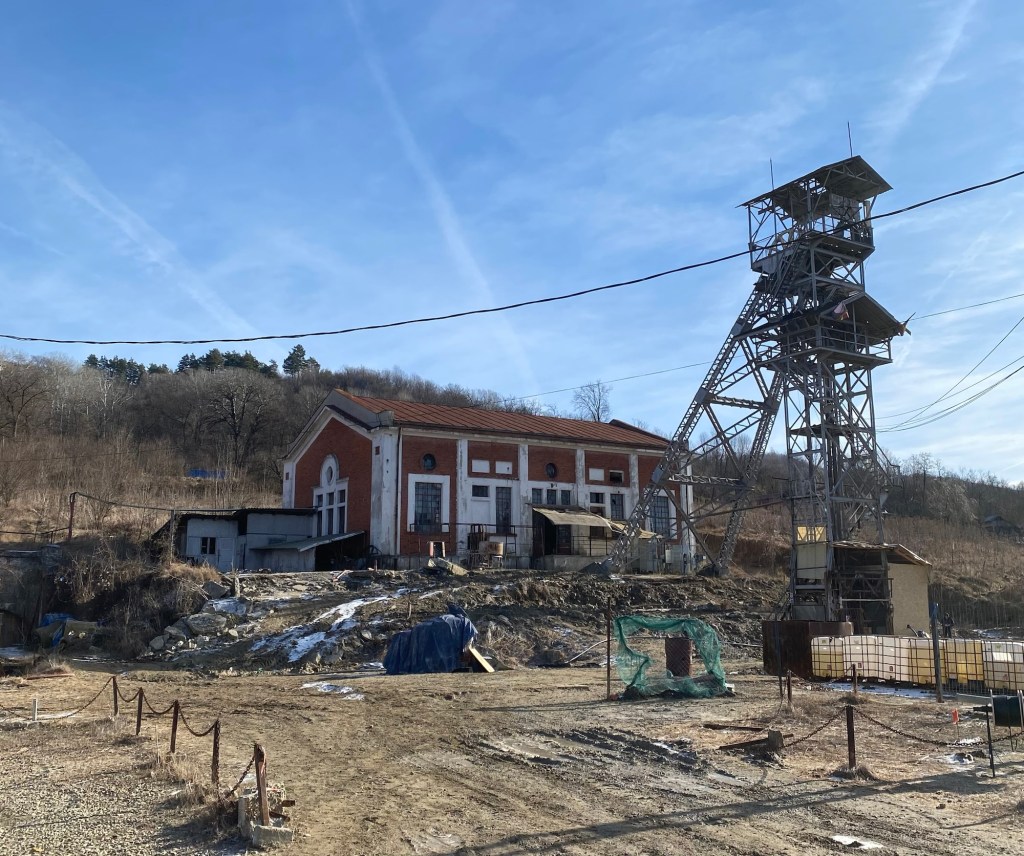
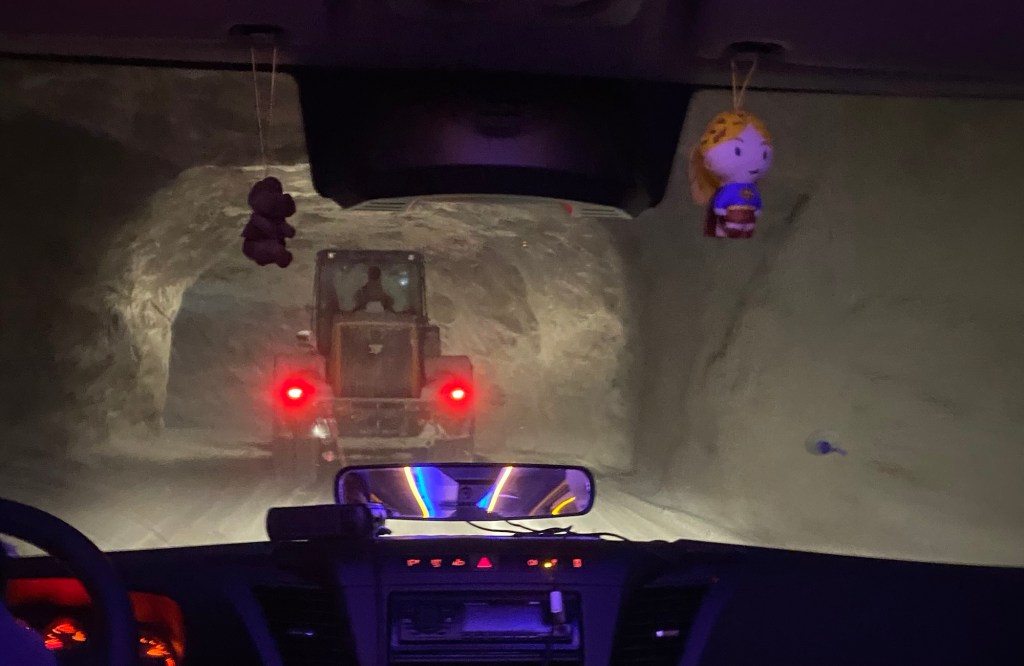
Having grown up around Coal Mines, this is what a mine should look like.Plenty of heavy machinery on the 1km underground drive into the mine.An awe inspiring space.
Wooden steps stuck in the wall. A bit surreal.
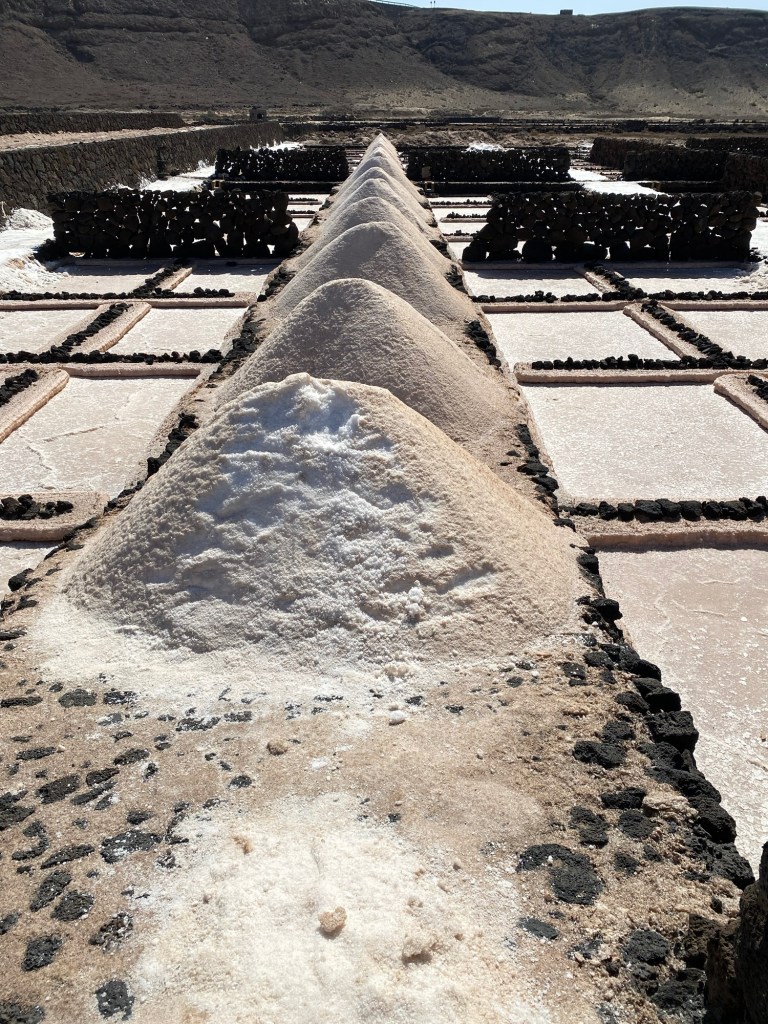
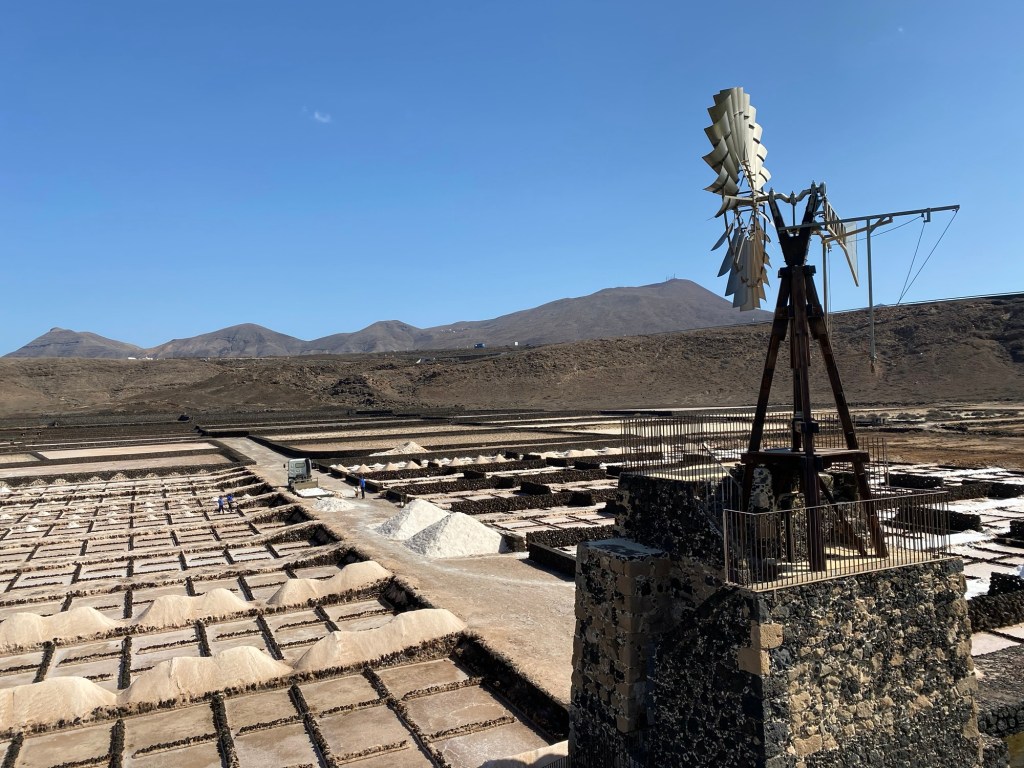
Wind and solar power. Here’s a few pictures of Salinas de Janubio in Lanzarote. In my book these are salt flat / pans rather than a mine. But I’m not going to argue with what the locals call it.
A brine shrimp statue. It’s what makes the Flamingos turn pink.Salty water starts here and ends up as salt (in the distance)Brown discolouration from Saharan Sand blown in on the wind.I was surprised by how hard the ‘salt crust’ was.A restored windmill. Once they powered most activity on site.
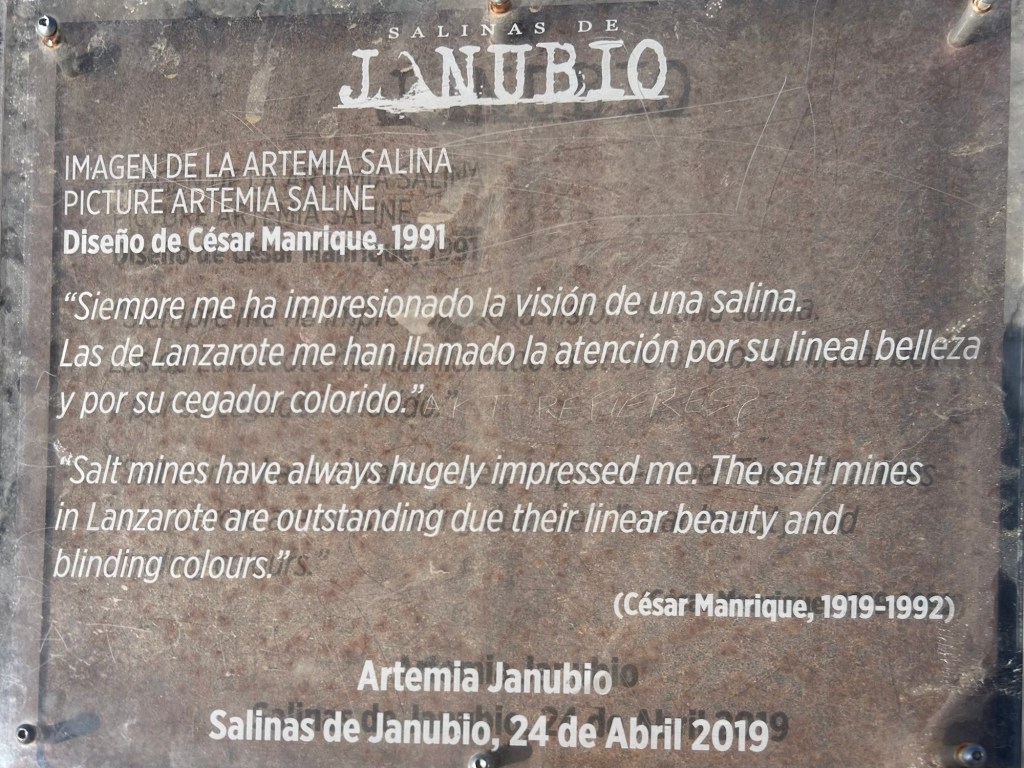
Lineal belleza – Linear beauty. I’m much taken by this phrase. Salt production using wind and solar power, to evaporate the water, is definitely a linear process. And a beautiful process too.
Said by someone (me) who doesn’t have to spend their days in the sun and heat of the salt pans. But I reckon it’s a better life than being down the mine.
PS. The lady (Sabrina) who took us on a tour of Salinas de Janubio was an exceptional host. Absolutely understood and cherished the cultural, economic and environmental significance of salt production in Lanzarote. If you are in Lanzarote for any reason, go and say hello.
My picture. 3 Minibuses, Pen y Pass carpark, Yr Wyddfa.
If you want to improve the governance of any committee/ Board / organisation, it’s worth looking outside of what you’ve got. I’m not suggesting you look to copycat what others are doing, but it does help with the process of self refection, learning and improvement.
“If you want to know about your own culture, spend some time in someone else’s.” I heard this from Dutch Author Fons Trompennars waaayy back in 2013, and it prompted me to write this blog post (link here). A anecdote from Fons still sticks in my head, “I didn’t realise how Dutch I was until I spent some time in America”. That resonates hugely and pretty much captures the feeling of being very Welsh when I get off the Cardiff Train at Paddington Station (London).
But how does it help governance? The point Max Caller was making was around the issue that many of the people ‘charged with governance’ often don’t experience things beyond their immediate surroundings. This is true of organisations, local politics and all sorts of Boards and committees.
The risk is that you become too inwardly focussed and not aware of different experiences, thinking, risks and opportunities. A lack of diversity of experience and thinking, that could also be extended to the policy arena. An often raised criticism is that the people make who policy are remote from the people who it actually impacts upon. This is where the minibus comes in.
Metaphorically, the Minibus is just about leaving the place you are familiar and comfortable with, and going to experience another ‘culture’. That’s it. Have a go.
Leave the portrait of the Queen alone! I do have a little bit of experience of Minibus Cultural Exchanges. Many years ago there was a project to develop the effectiveness of Scrutiny Committees in Local Councils. This involved some actual minibus trips of Local Councillors going to observe the Scrutiny Committees at different Councils; generally at a sensible distance from their own.
A few observations:
It did absolutely prompt self reflection. I sat next to Councillors who went though a range of responses from awe and respect to dismissal and despair.
What was common was a response of; ‘it’s opened my eyes to what we do,’ and also ‘I really hope we don’t do that’.
That ability to reflect on what you do a ‘home’ (your culture) was amplified by sitting in a deliberate observation role.
And everyone spoke about it on the minibus trip home (embedding the learning).
The ‘leave the portrait of the Queen alone!’ statement comes from the visit of Local Councillors with very pro Welsh Independence views, to a Council that was far more Anglicised.
The host Council had a portrait of the Queen in the Council Chamber and the Union Jack on display. It was a cultural leap that the Independence Councillors struggled to come to terms with, when they should have been observing the Scrutiny Committee. And no, I wasn’t going to allow them to turn the Queen’s portrait around to face the wall.
Our town is twinned with… One final refection. I remember when the practice of town twinning used to be more common. It seems to be less prevalent nowadays in a world of austerity (like school exchanges).
I think we’ve lost something in the decline of those cultural exchanges. The last one I experiences was linked to a Rugby Club, a ‘very’ broad rugby / Town Hall cultural mashup.
As I drive across the UK those town signs that say ‘twinned with’ fill me with a little bit of sadness and nostalgia.
Bring back the International Minibus Cultural Exchange.
So, What’s the PONT?
Different views, experiences and knowledge all help to make good decisions. Avoiding ‘groupthink’ if you like.
If you ‘never leave the house’ you are naturally narrowing your horizons and limiting the information you can use to help make a good decision.
Getting in the minibus (metaphorical or real) will help you to understand your own culture by immersing yourself in someone else’s.
My supervisor is very tolerant of my enthusiasm for a bushfix. She is also very clear about when I should “stop messing about and do the job properly! Or I’ll pay for someone to come and do it!”.
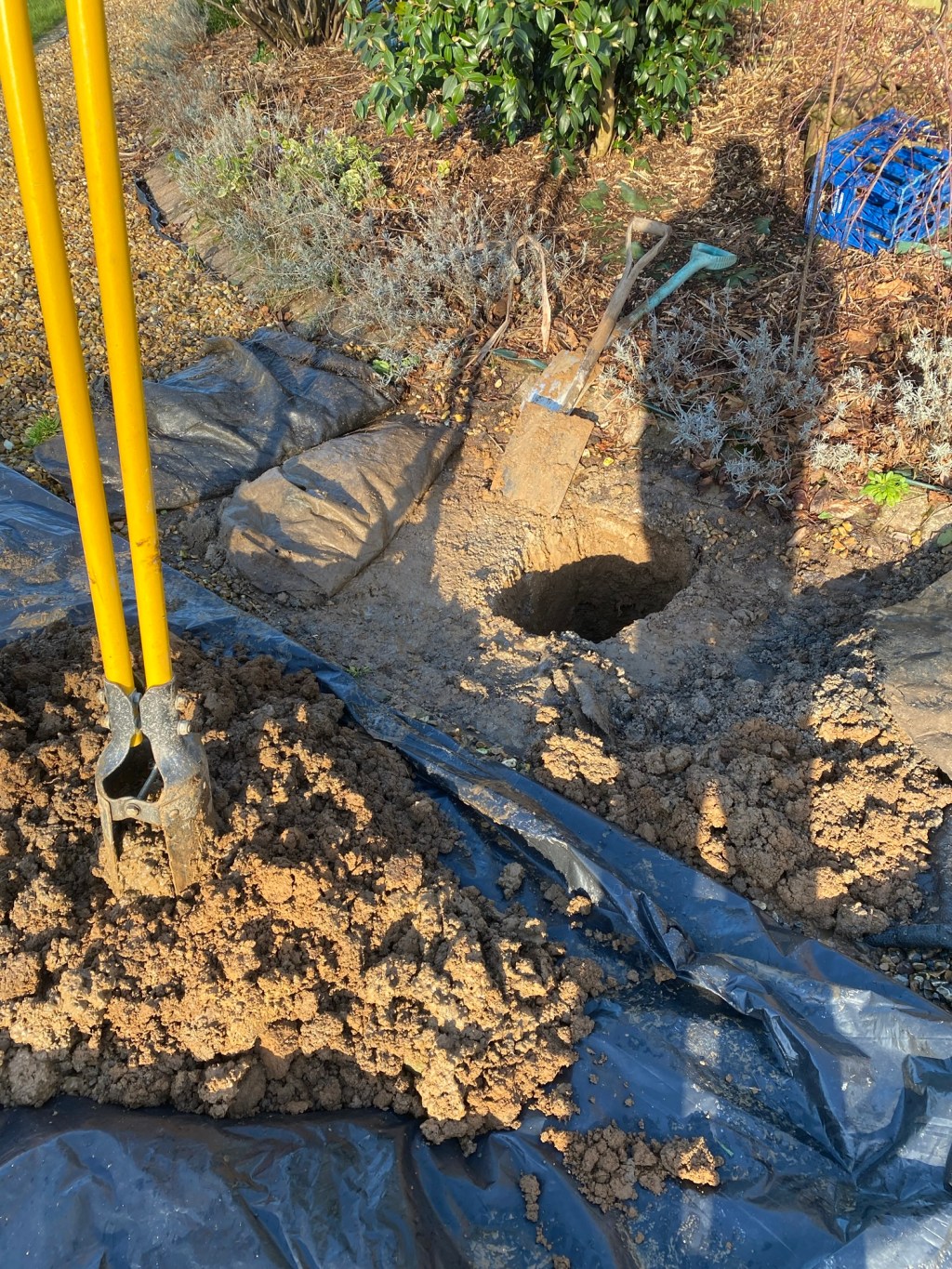
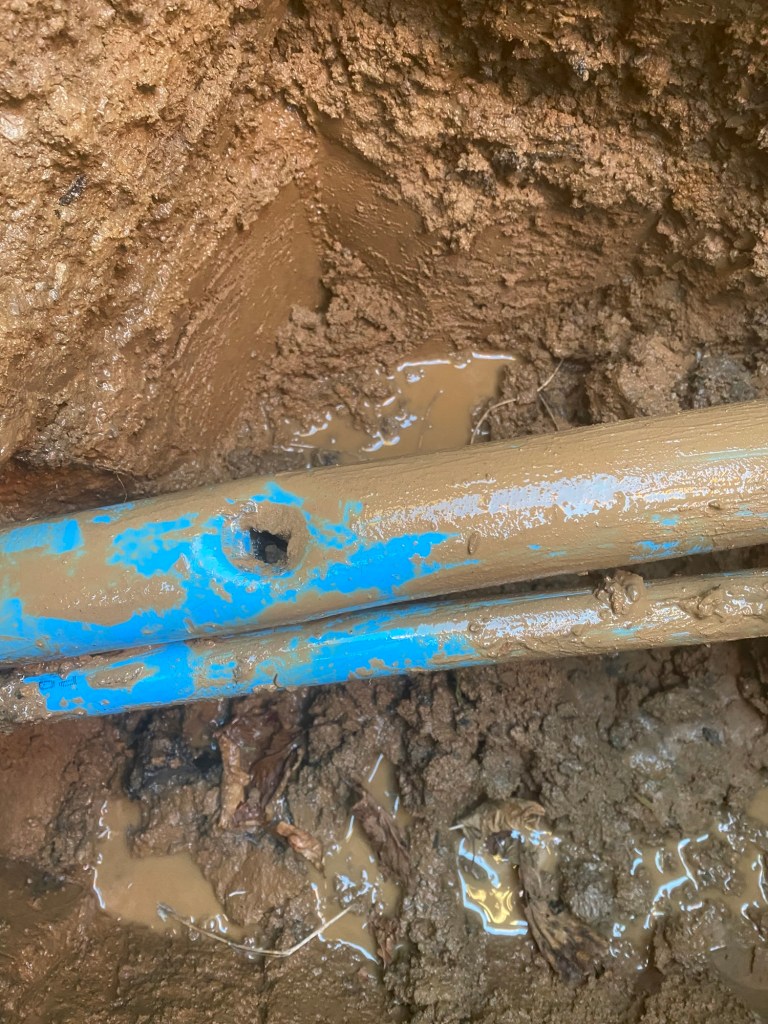
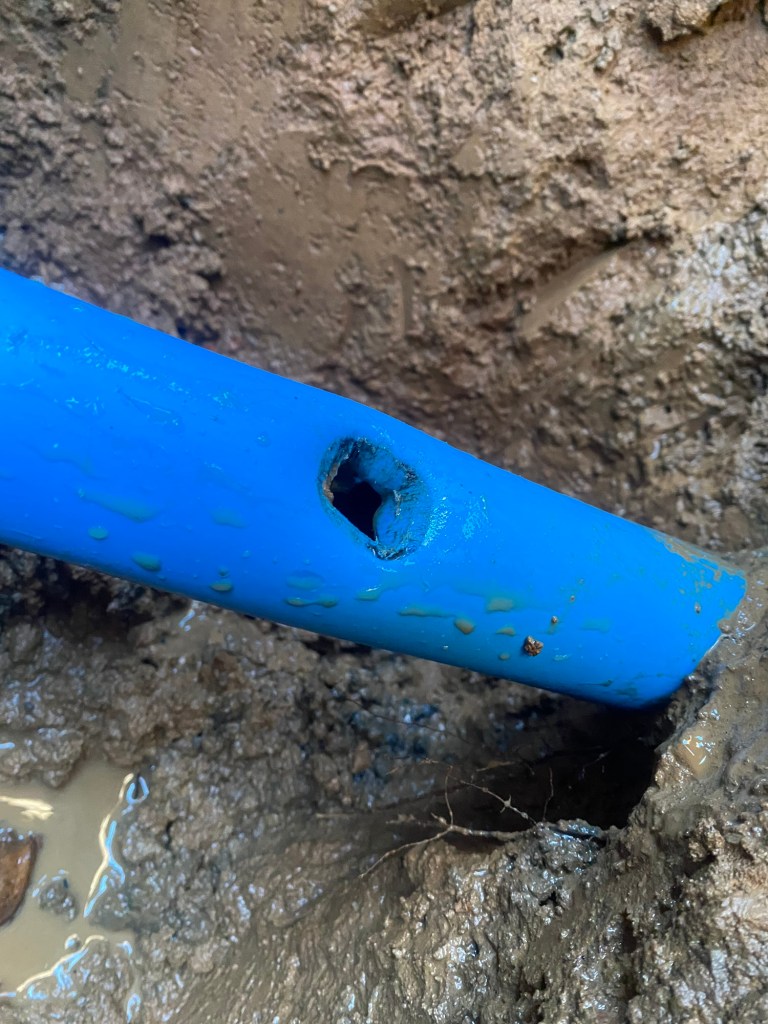
The challenge was to find and repair a pipe used to pump water. The reason it was leaking is entirely my fault (which I’m not going to talk about).
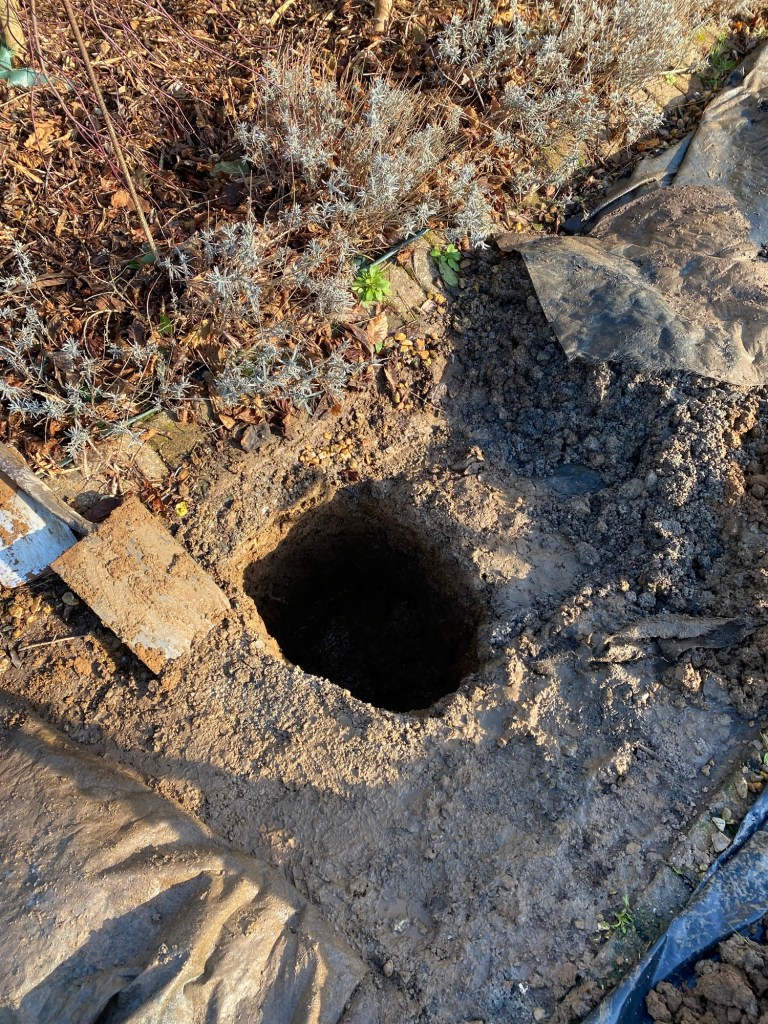
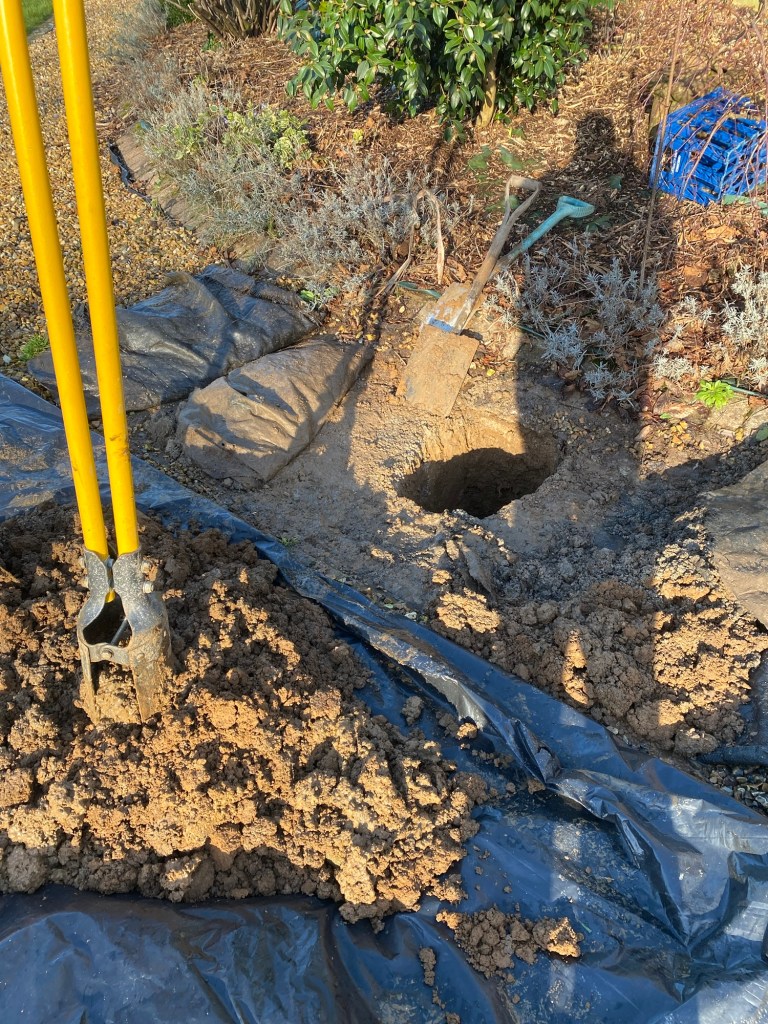
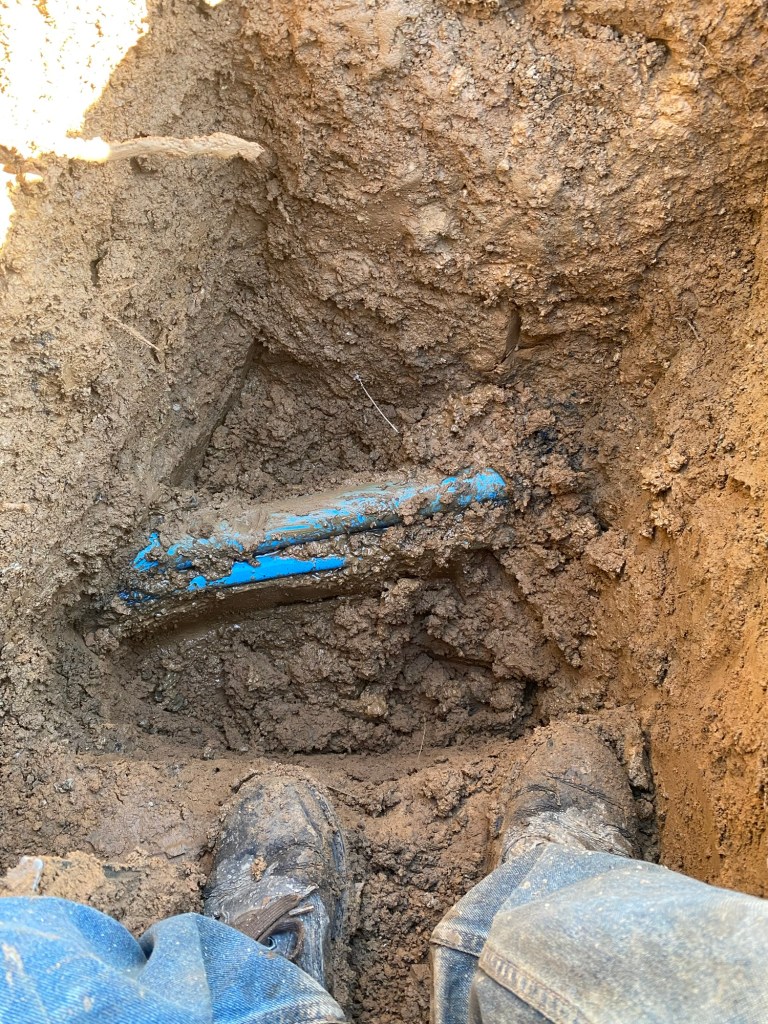
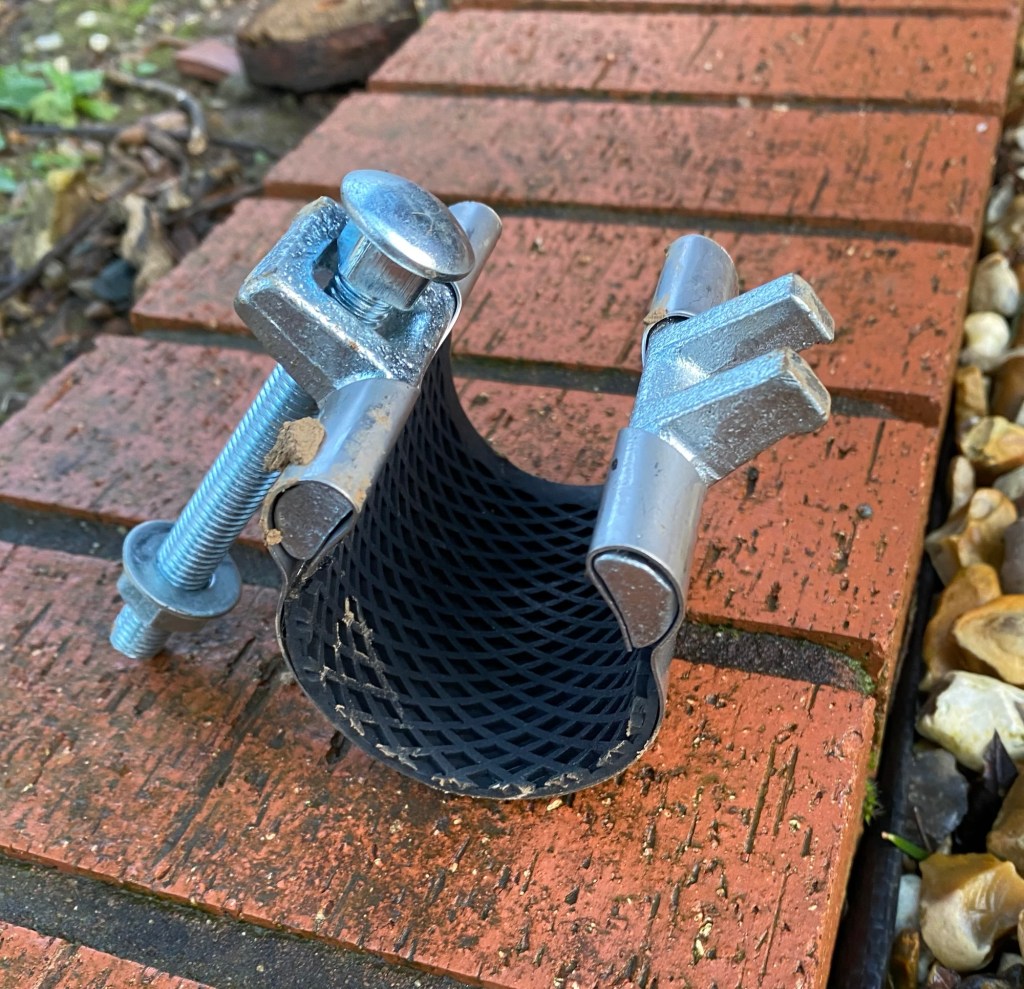
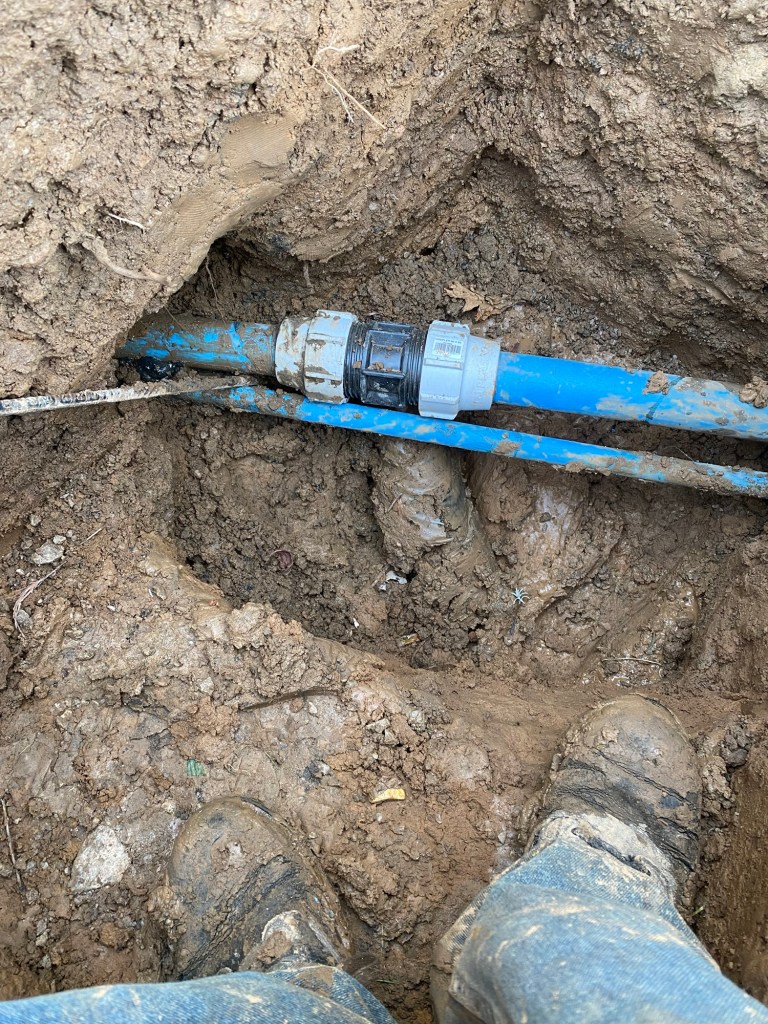
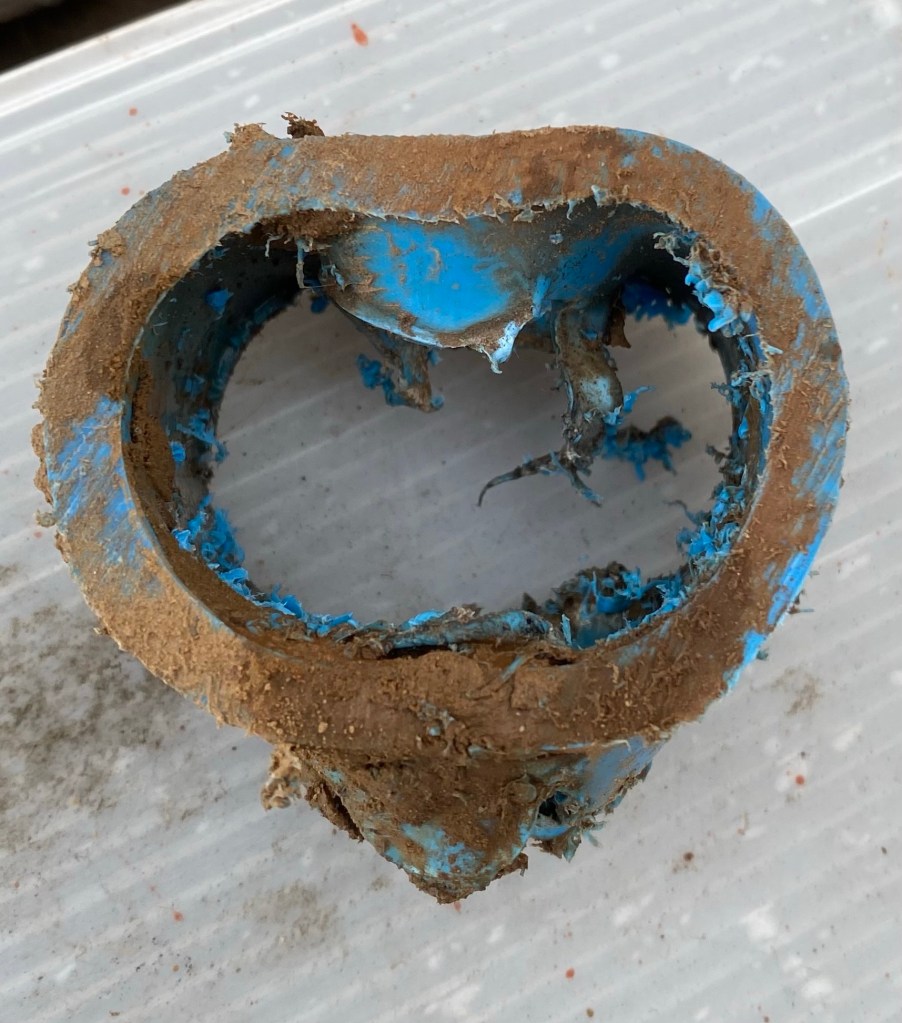
Knowing where to dig is always a bit of a trial and error exerciseI’d forgotten I’d put two pipes side by side (they were buried last century)What are the chances? A direct hit.Is this bushfix territory?The bushfix option. Nope, never going to work on a ‘straight through’.This is where The Supervisor steps in. DO IT PROPERLY!Not really a bushfix option.
There’s obviously a lot more to this story. Yes, I did tighten up those threads a lot more. Which involved enlarging the hole so I could actually sit down in it. Yes, I did run a test with the water pumping and nothing leaked (currently).
The hole is now backfilled.
And I am now on holidays, with my supervisor. To who I am massively grateful for pointing out (very nicely) when I should stop messing about and “do things properly”.
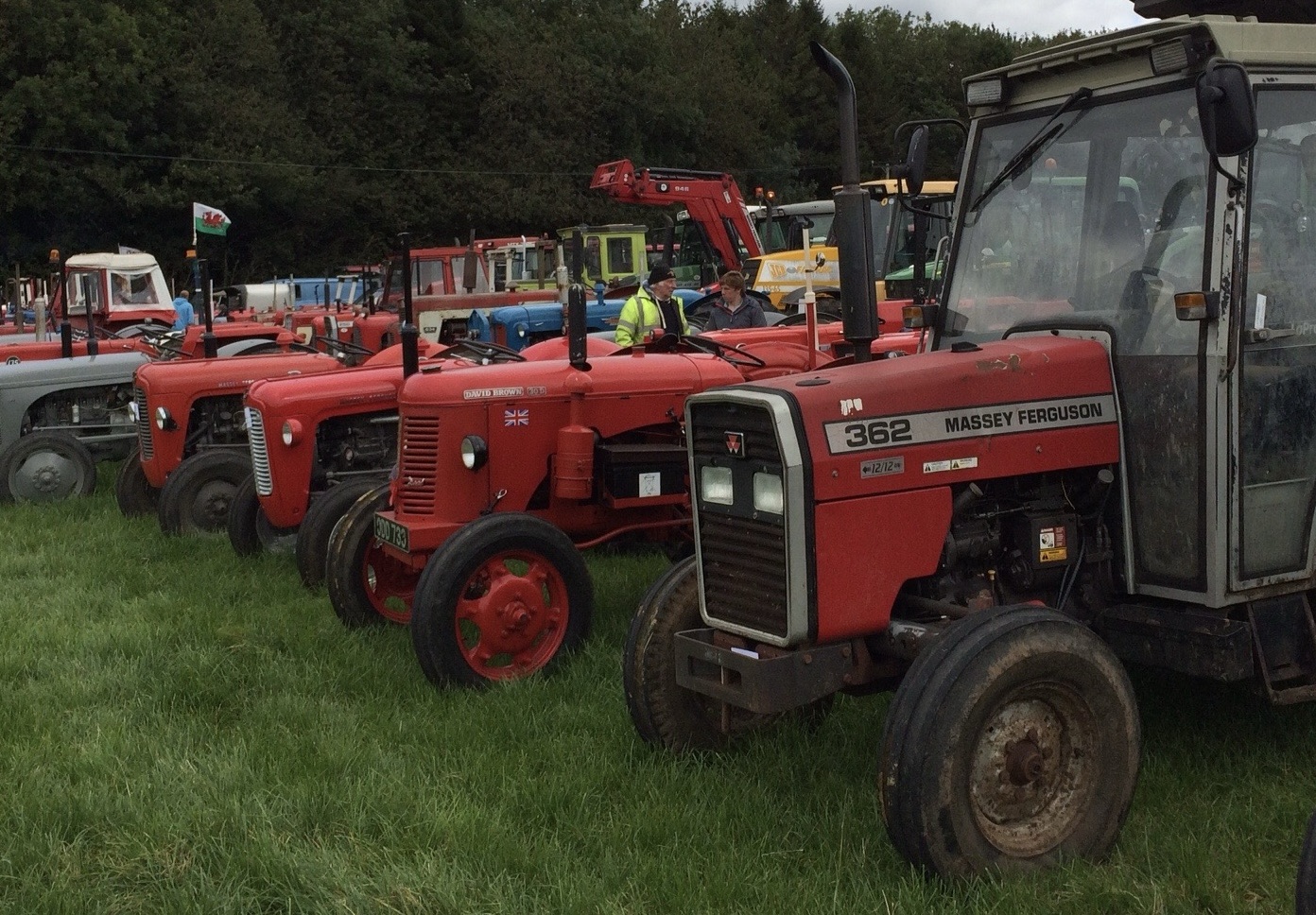
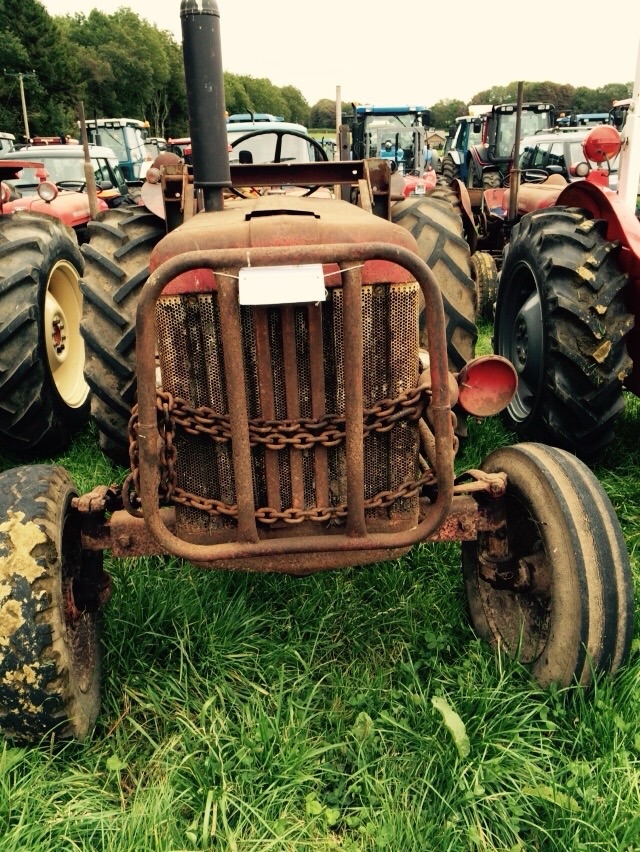
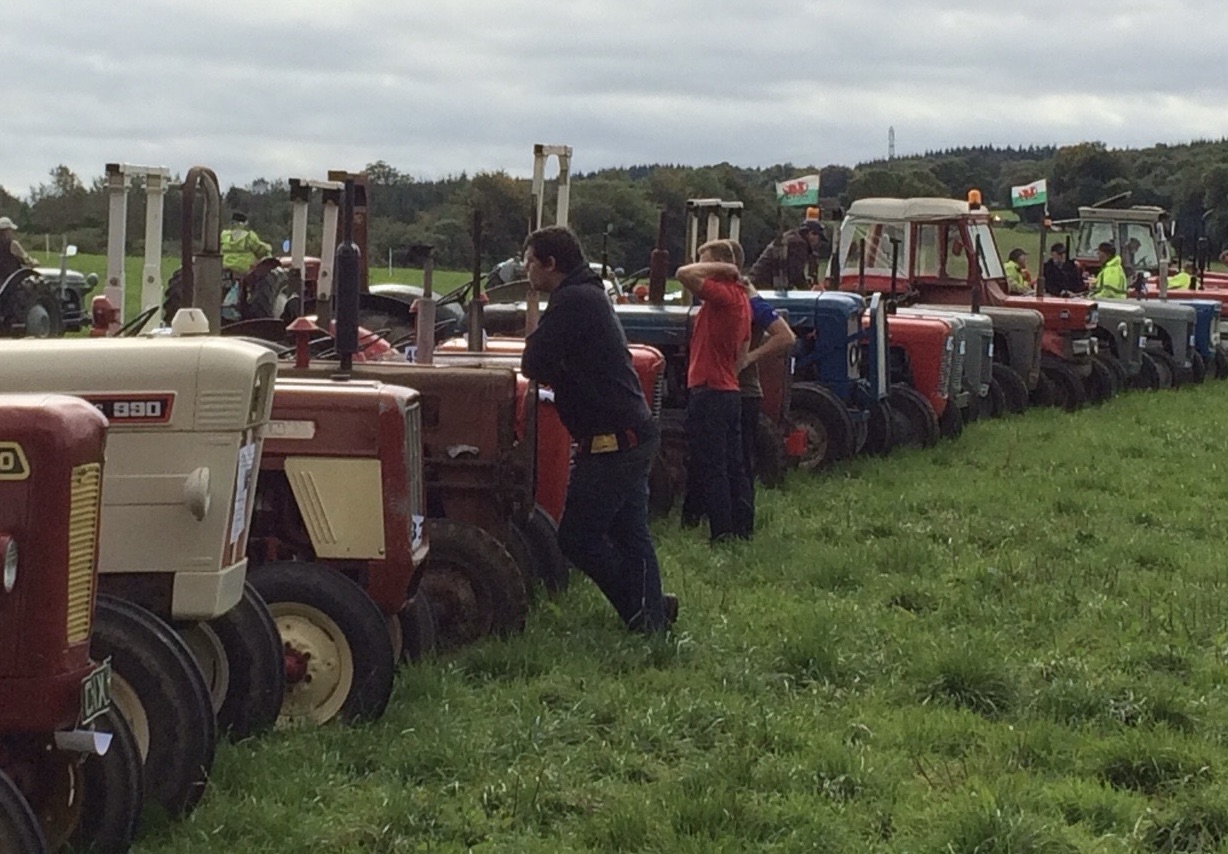
Please enjoy my pictures from the local vintage tractor rally. Here’s a row of red ones.
There’s something interesting happening in the USA currently. You’ve got it, the Federal Trade Commission (if it still exist after 25th January 2025) are suing John Deere tractor manufacturers. The case is about John Deere preventing owners from repairing their tractors. It’s a big deal that’s been rumbling on for ages with huge implications, including stifling one of my favourite things, a bushfix.
Lets get ‘bushfix’ out of the way. I grew up around people who ‘bushfixed’ things. Essentially it’s about getting something to work by using whatever resources you have available. Often not what the manufacturer intended, but it gets the job done.
One of my father’s friends (Arthur Pandy, because he lived in Pandy) was a welder who could fix anything metal. Mostly it wasn’t elegant, but it worked.
The phrase ‘bush mechanic’ is a fairly modern description of a person who ‘bush fixes’ things (details here). It’s been popularised by the Aussie Gold / Opal Hunter genre of TV shows (which I’m not obsessed with) and perfectly describes Arthur Pandy.
I should point out I didn’t grow up in the Australian Outback. I’m from Old South Wales – between Pontypridd & Merthyr Tydfil so we didn’t live in ‘the bush’. Fixing things using the available resources (bush fixing) was just the way people did things.
Machines and equipment (back then) had generally been manufactured in a way that allowed the owners to carry out basic repairs, and modifications to keep them working. The ‘right to repair’, or the lack of it, wasn’t really an issue. We just opened the tool box and got on with it, which brings me to John Deere.
Tractor modifications in the style of Bush Mechanic, Arthur Pandy. Crude but effective.
John Deere and the ‘right to repair’. I have mixed feelings about John Deere that I won’t go into here. However, for a long time the question of how they work has been in the back of my head.
It starts with two farming friends, one who’s got a 40 year old invincible beast of a John Deere tractor. It will probably be running perfectly in another 40 years. It was built for the long term. My friend probably only ever needs to buy that ‘one’ John Deere.
The other friend also has a John Deere, quite a bit more modern (about 20 years old). I bumped into them a while back on their way to the local dealership. They were going to have it ‘re-tuned’ to make it ‘more powerful’ and ‘more fuel efficient’. That didn’t make much sense to me, but their comment, “it’s out of John Deere warranty, so I can make modifications” stuck in my head.
Tractor Hacking. Fast forward to 2017 and I start reading about farmers who make a thing of ‘hacking’ John Deere tactor software.
This happened because John Deere had introduced software into their tactors that could only be ‘fixed’ by ‘approved’ repair agents. And we all know what ‘approved’ means… twice the cost, double the hassle* (*sometimes).
“Deere’s monopoly practices unfairly drive up farming equipment repair costs, restrict farmers ability to quickly seek repairs necessary for planting, harvesting”
If you’re interested in this there are dozens of You-Tube videos. I’d suggest this one.
The future of right to repair. I’m watching this with interest. It feels like a reasonably even fight: Farmers versus John Deere. Better odds than the David versus Goliath mis-match we see around many challenges to massive corporations.
If the farmers win, hopefully it will open doors to the right to repair in lots of other areas.
Long live the Bushfix.
So, What’s the PONT?
Making massively reliable, long lasting products doesn’t help companies that want to keep selling you new stuff.
But deliberately preventing owners from repairing what they have bought cannot be right.
Fixing things is more than just a necessity. A bushfix. can also be a source of great joy. It might even develop better products, just look at Ikea Hacking.
The footnote on a notice board of a decaying tin Chapel prompted this post. It led me down a path of remembering a time when the internet felt like a relatively wholesome and fun place to hang out. A place where people generally respected each other and there was a sense of ‘community’, rather than the ‘angry mobs’ that seem to roam the digital wastelands today.
Ahhh… I love the smell of nostalgia.
Eternal September. I’m unearthing some ancient (internet) history here, right back to 1993.
Before September 1993 the internet was somewhere for IT professionals and enthusiastic amateurs. To join in you had to put in some effort and know what you were doing to get the rewards.
People would gather around specific topics through discussion groups and message boards. Have a look at this Reddit thread to get a sense of how things once were.
The ‘September’ problem related to an issue where every September (prior to 1993) a new cohort of people would gain access to the internet and cause disruption. These were typically people entering university, who didn’t know the protocols, etiquette or generally how to behave on line.
Things mentioned (in the historical record) detail the quality of posts on message boards deteriorating and poor behaviour such as ‘flaming’. Saying derogatory or inflammatory things. We might call that ‘trolling’ nowadays, something that has become common and widespread behaviour.
Anyway, the good news is that the newbies were in the minority. Through a process of education, influence and moderation they learnt how to behave properly and follow etiquette.
However, everything changed in September 1993 when the main internet access provider AOL (America On Line) opened up access to everyone. And everything changed forever. It was Eternal September, an internet of lots of people who didn’t know how to behave properly.
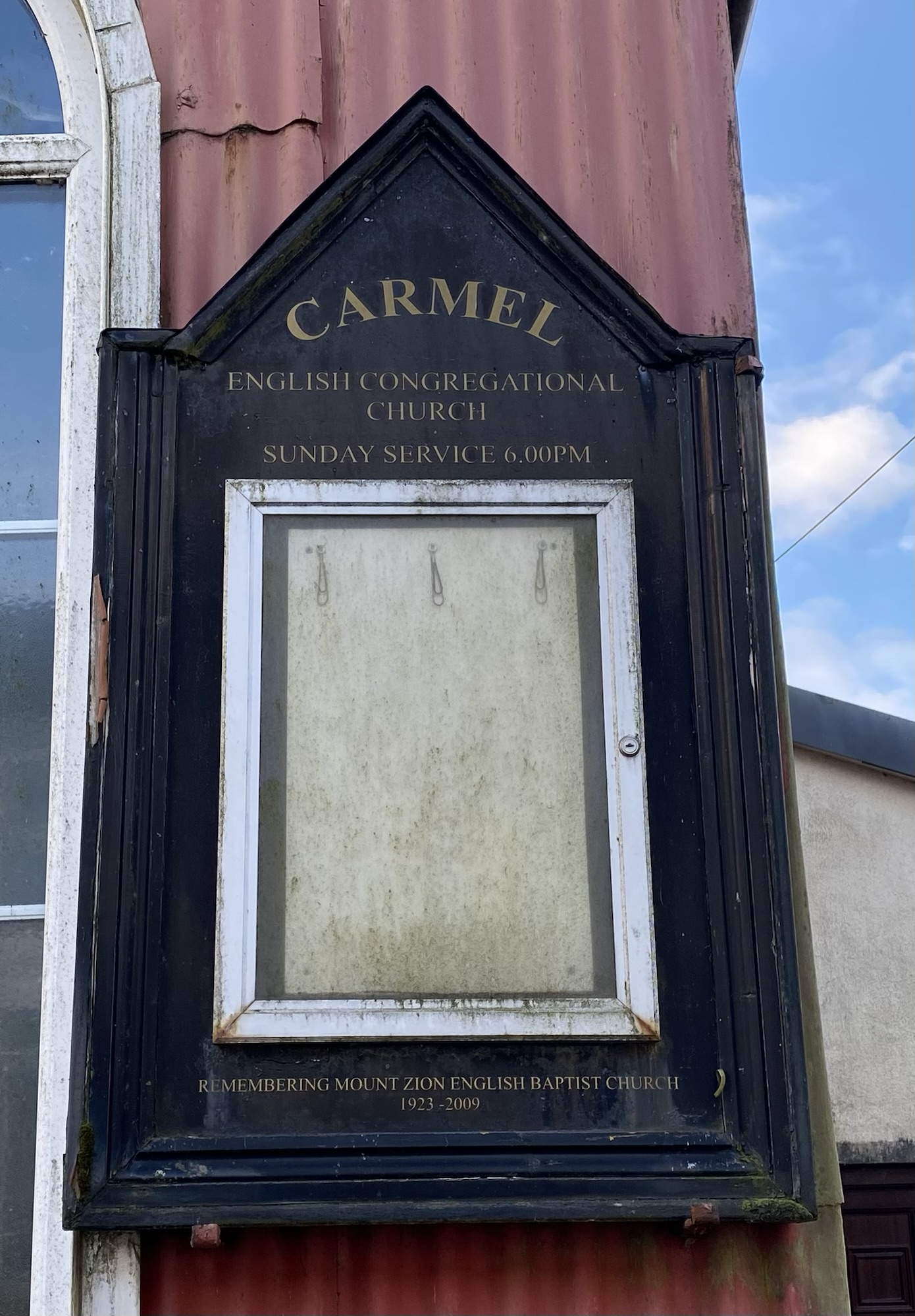
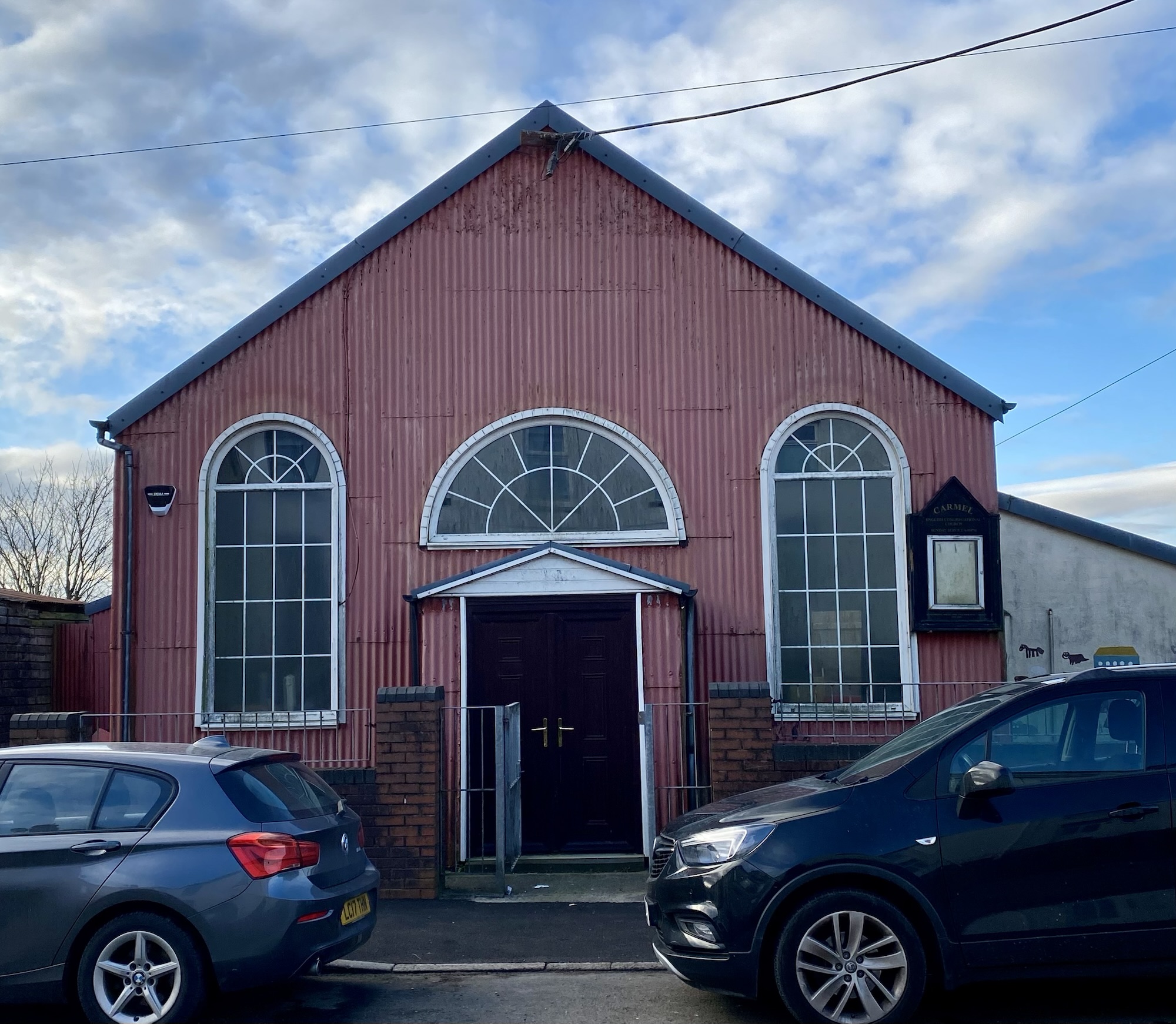
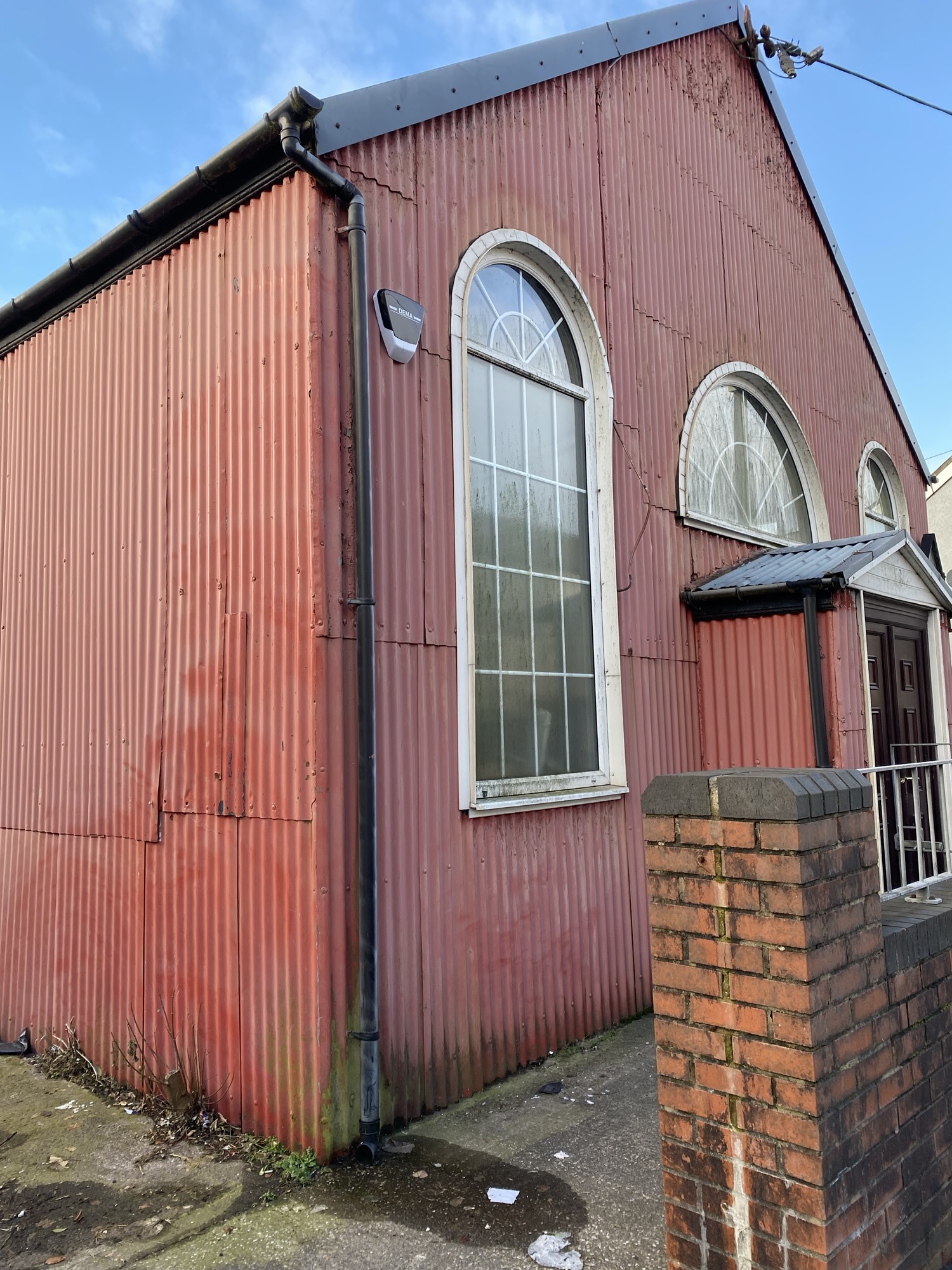
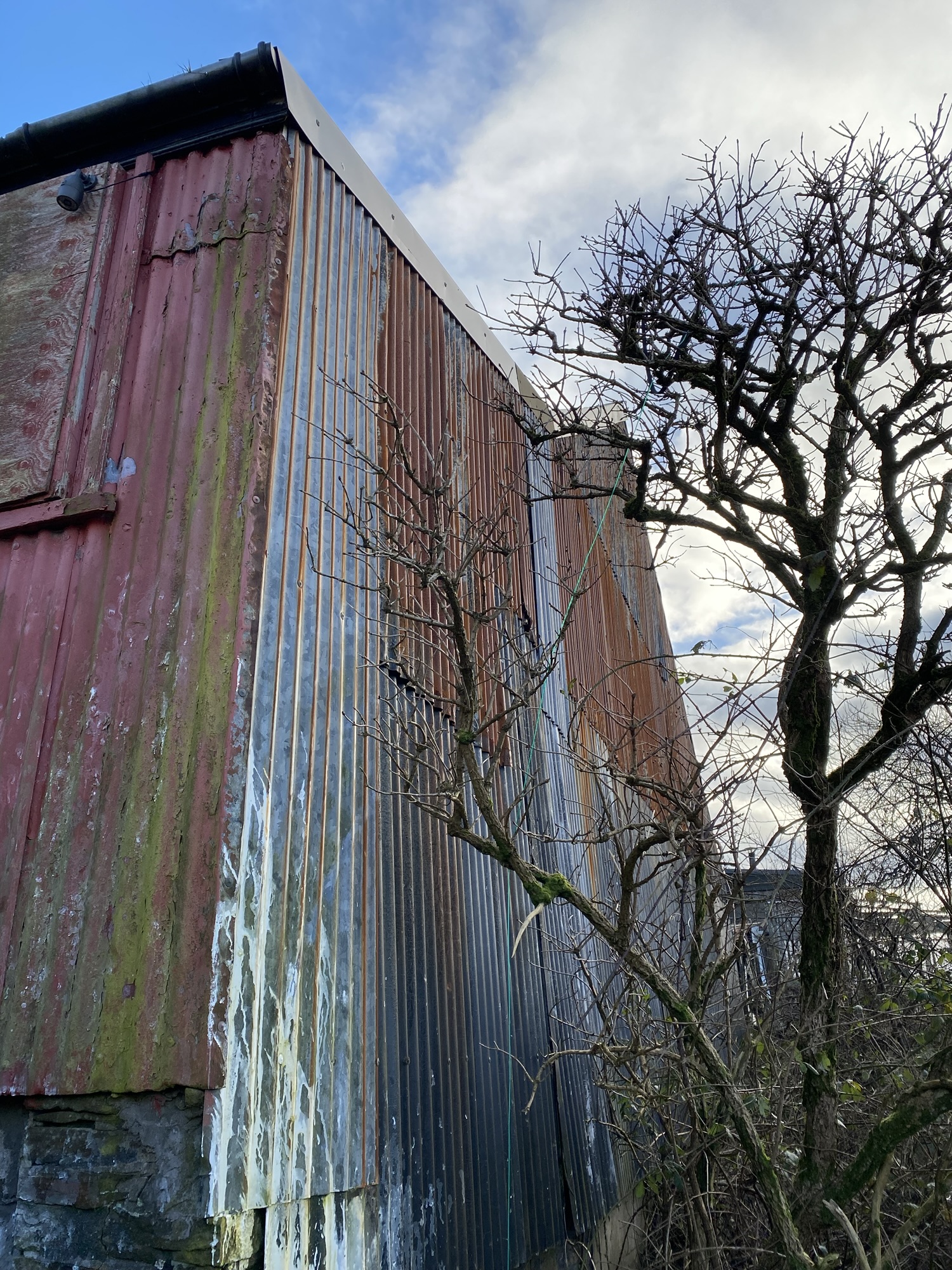
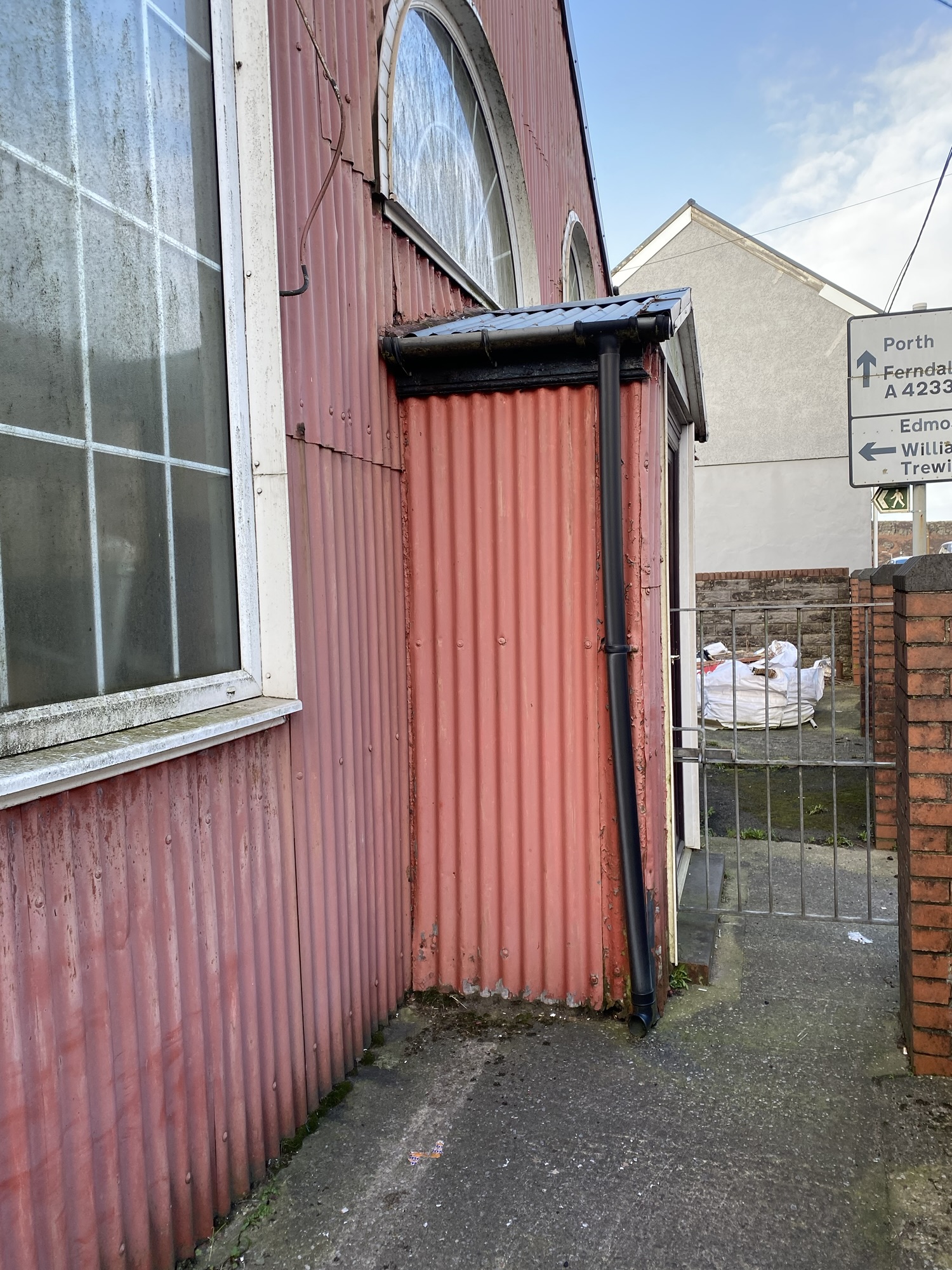
Remembering Mount Zion English Baptist Church 1923 -2009. You might be aware that one of my interests is photographing the corrugated metal buildings that used to be common in Wales? A bit niche, but I’ve tried to justify my interest in this Tin Sheds post, with the pictures.
Anyway, I was taking pictures of Carmel (English Congregational Church) Tin Tabernacle this week when the “remembering Mount Zion” epitaph grabbed my attention. You can’t say that and not expect someone (like me) to ask what? and why?
I was about to delve into a search of historic maps of the area (thank you National Library of Scotland maps – one of the truly great things on the internet).
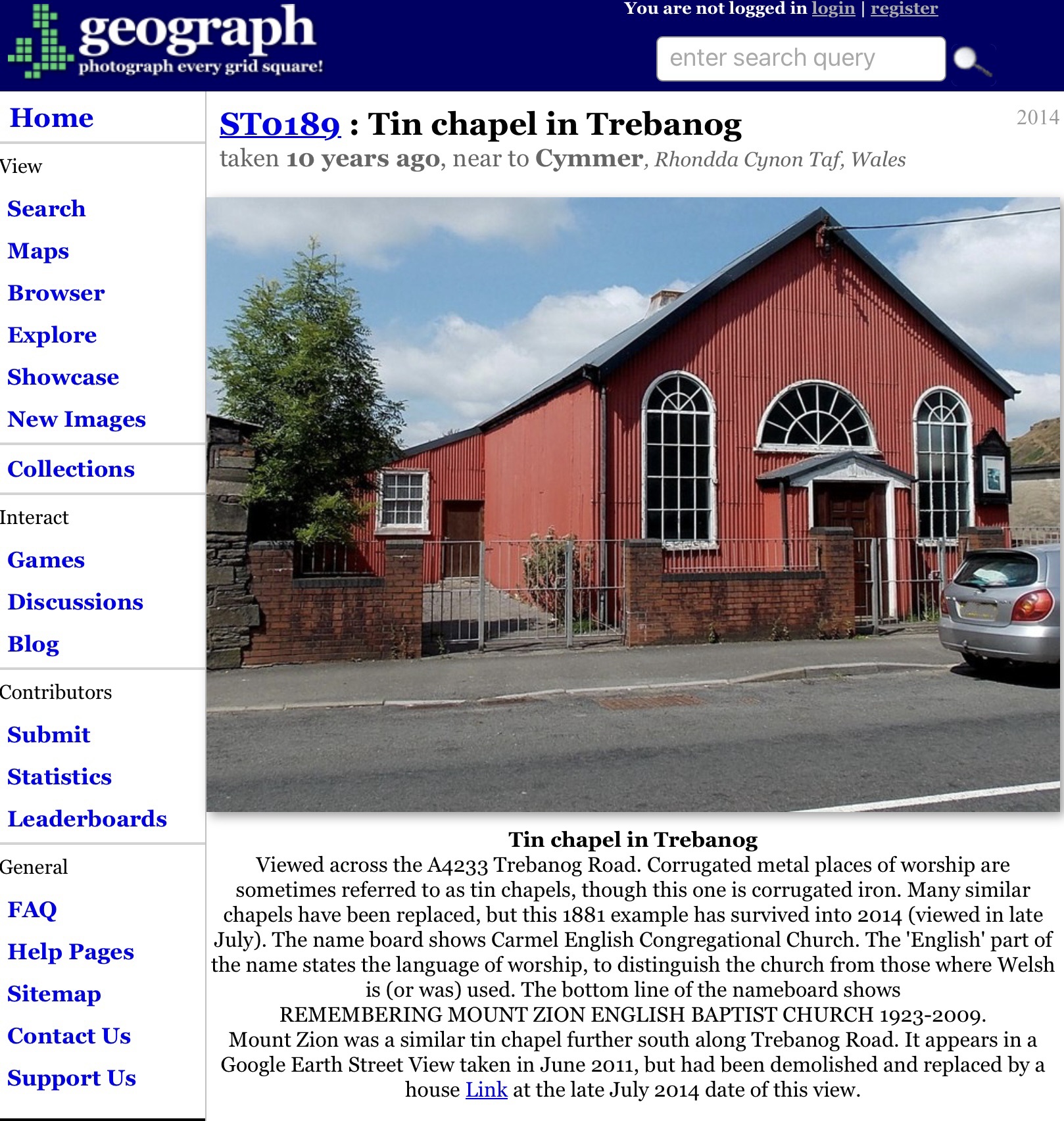
However, a quick search turned up a reference on geograph. This is a website where people post their pictures of something that is ‘representative’ of every 1km grid square of Great Britain and Ireland. It’s been going since 2005 and is still very much active. People share pictures under a creative commons licence, which feels like how the ‘old’ internet used to be.
It turns out that the Mount Zion was also on Trebanog Road but was demolished in 2009. Thank you to Jaggery who shared this and has been actively posting pictures of 1km grid squares since 2009. The last one was yesterday (January 2025).
Keeping the internet fun. It’s a while since I looked at the geograph site. The experience reminded me of how things used to be, how they might be and how much enjoyment (and fun) is possible.
I think where this is going is that I need to be more conscious in my choices around how I interact with things online. If you take the view that the internet is a ‘common resource’, it’s up to us as users of the ‘common’ to treat it with respect and behave responsibly.
But how we might do that is a huge question that lots of people smarter than me are thinking about. I’ll just stick to the things I can control and do, for the moment. Like taking pictures of vulnerable tin sheds and posting them on my blog. Oh, and having sensible, well behaved conversations with anyone who want’s to engage in the comments section.
So, What’s the PONT?
Things always change, and the internet probably changes faster that most. So my nostalgia is fairly pointless.
But, not all change is for the good. Eternal September ushered in a change in behaviour that has amplified bad behaviours and pushed polarization to the point where it feels like an internet of ‘angry mobs’.
It’s all a choice though. So, I’ve decided to chose carefully what I interact with and where I hang out online.
Here’s some more Tin Tabernacle pictures of Carmel in Trebanog, while it’s still standing!
Tragedy or Statistic? This week I’ve been enjoying learning about how organisations report on sustainability. I’ve also been getting into the topic of ‘materiality’ – how you decide if something is sufficiently ‘relevant and significant’ to be measured (and audited).
I’ve enjoyed it so much that I woke up at 6am (on my day off) and felt compelled to write stuff down. Rambling scribbles in the note book I keep by my bed for such occasions.
First amongst my thought’s was the Joseph Stalin quote (alleged), “a single death is a tragedy, a million deaths are a statistic”. What a bleeding awful thought to wake up to. But the day has got better…
How I understand Materiality (apologies if I cross the boredom threshold). Materiality is a decision made about how relevant or significant an issue is, and could it affect the performance of a company. Things that are ‘material’ would typically get measured and reported in the annual report.
Things that are material also typically get looked at by auditors to understand if they are a ‘true and fair’ reflection of reality. One of the drivers behind all of this is to give stakeholders confidence in the decisions they make about their investments.
Traditionally materiality judgements have been about financial matters. Lots of lovely ‘hard’ numbers where things like ‘percentage of turnover’ can be used to decide if something is material.
This can however, lead to different levels of scrutiny, for example in a billion pound organisation ‘materiality’ might be in the range on millions of pounds. Things below this level might not get the same level of measurement, analysis and reporting as they do in a smaller say 10 million pound organisation.
In a 10 million pound organisation something considered material might be reported on (and audited) while in the billion pound organisation potentially the same thing is ‘lost’ below the materiality threshold.
I’ve heard some people describe a variation of this as ‘hiding things in the rounding errors…’
Two bites of the Materiality Cherry. For sustainability reporting the concept of Double Materiality has been introduced. So, in addition to the financial materiality that has been happening for years, companies will be required to report on a second layer of materiality. This will focus upon the wider impact the organisation has on society and the environment.
Two bites of the materiality cherry… this is where the wider costs and impacts upon wider society might actually become visible – to everyone.
There’s a lot of debate and information about what is developing in this area, so I’m not going to talk about that. What I’m interested in is bias and how the judgements of ‘what is material’ will be made.
The post was based upon some research into over 30 years of disasters and the medial coverage they generated. Some of the numbers I drew from it was that a single death on a European Volcano generated the equivalent media coverage as 38,000 deaths from famine / food shortages (typically in the Global South).
There seemed to be a distinct bias towards the;
simple to understand (a volcano erupting)
immediate (happing now, in a place I know about) and
spectacular (see volcano).
The things reported less were;
difficult to understand (food shortages are likely to be complex),
developed over time in far way places, and
definitely not spectacular (from a newsworthiness perspective).
Professional Judgement and Scepticism. The journalists who reported on those disasters over 30 years will have all been professionals. All having a healthy dose of scepticism around what they consider to be ‘newsworthy’.
However, the 1 death on a volcano is equivalent to 38,000 deaths from famine figure does suggest an element of bias. I’d suggest that journalists and other ‘reporters’ are no worse than any other group of professionals, even auditors.
It all leaves me thinking that the world of double materiality and sustainability reporting is going to be a hotly contested space. When is a tragedy a statistic? What makes something ‘material’ especially when lots of it will be in the space of (messy) human impacts?
So, What’s the PONT?
Deciding on what is relevant and significant (material) and should be reported on as part sustainability reporting is going to be an interesting space. My statistic might be your tragedy.
The reality of reporting on ‘impacts’ may well focus on very contextual information. Things that probably won’t work well when aggregated and averaged out.
Expect some turbulence as everyone works out what ‘materiality’ actually looks like for sustainability reporting.
‘Resilient’ feels like the ‘phrase du jour’. People are throwing ‘resilience’ about like confetti, but I’m not totally convinced we are all speaking the same language (let alone understanding what we are on about).
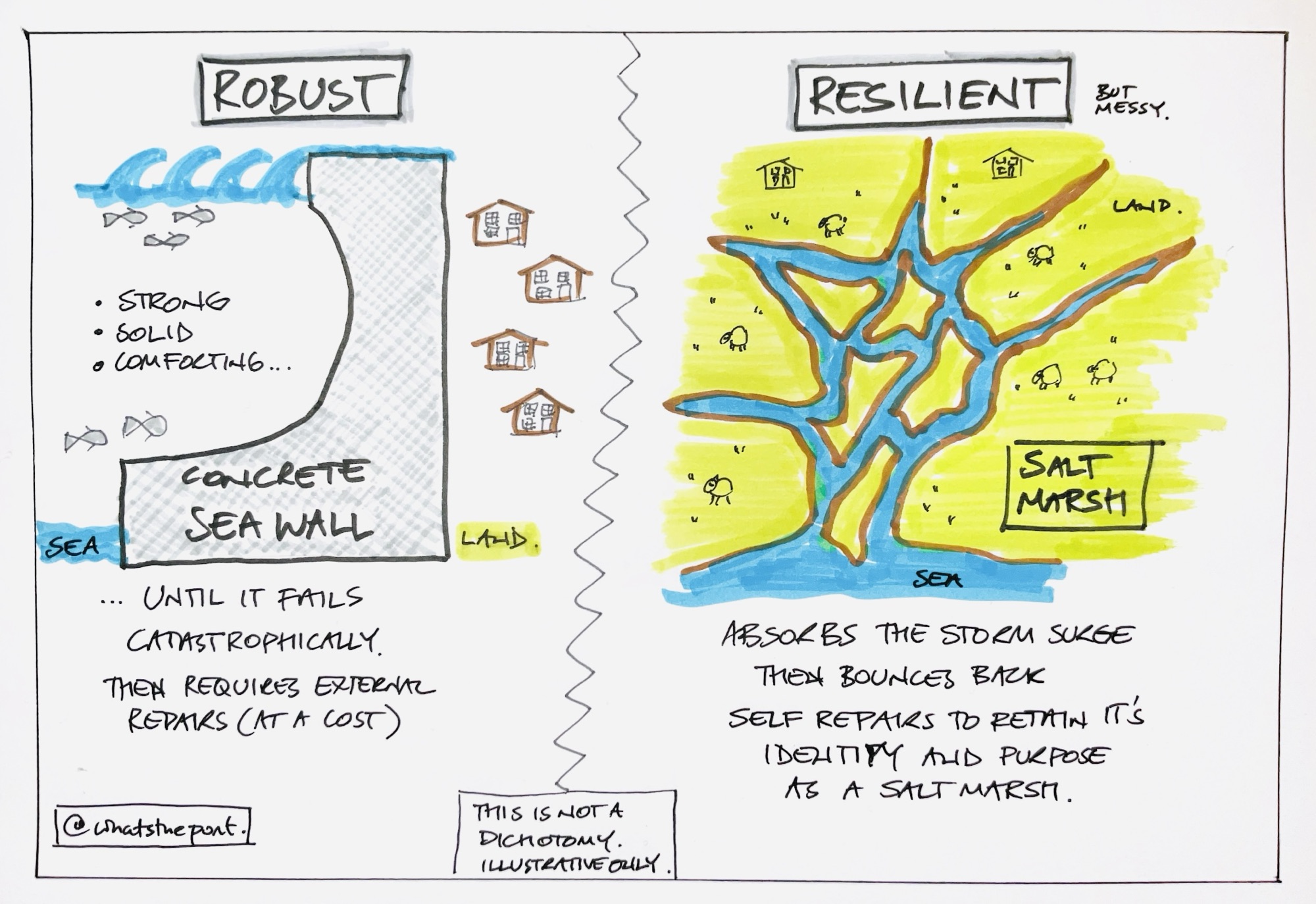
Personally, I’m in the ecological resilience ‘be more salt marsh’ camp. However, what I’m hearing amongst the confetti is lots of solid, concrete robustness; the stuff of sea walls. Nothing wrong with either, it’s just worth recognising the difference.
The ‘re-saltmarshification’ of Cwm Ivy
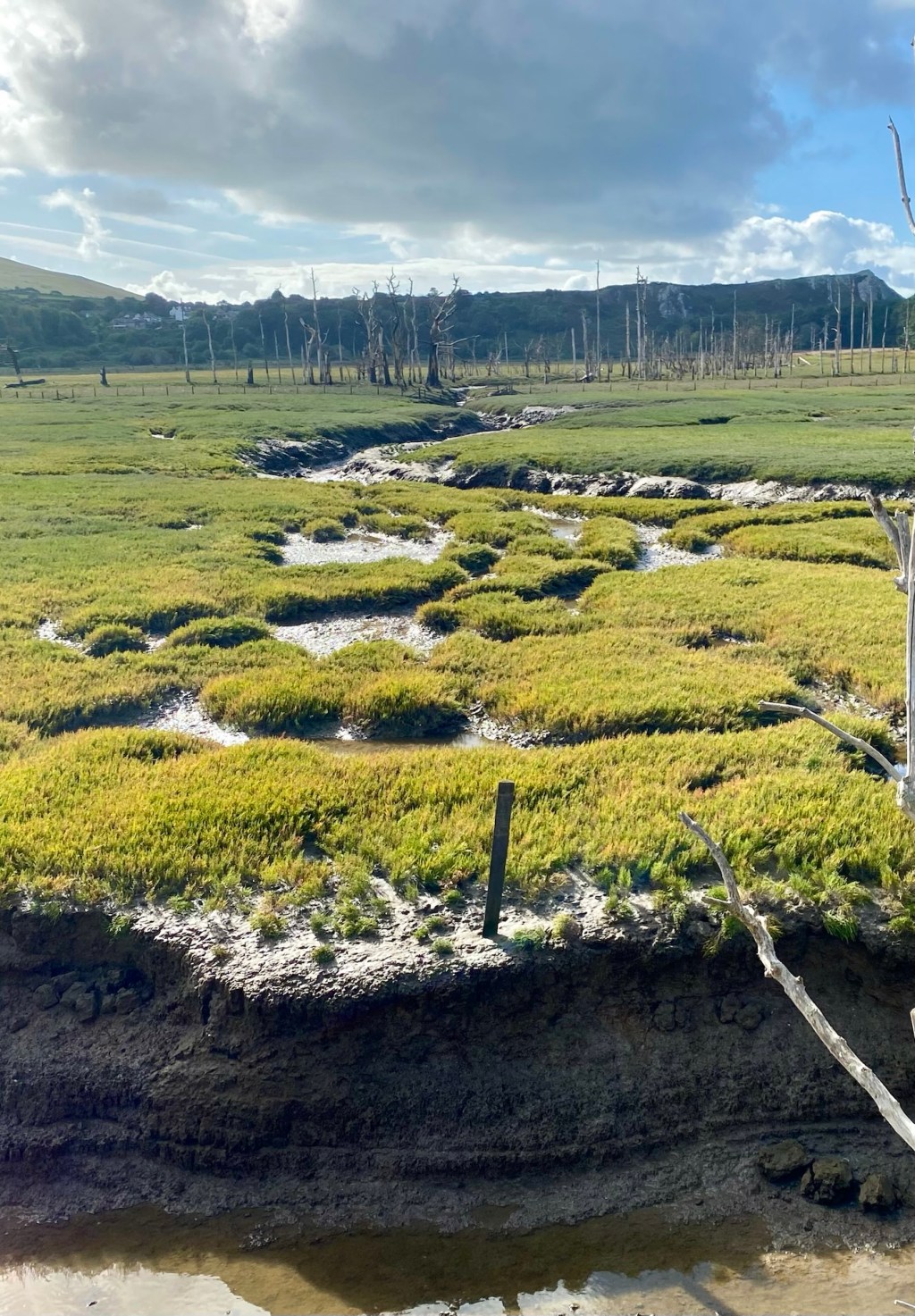
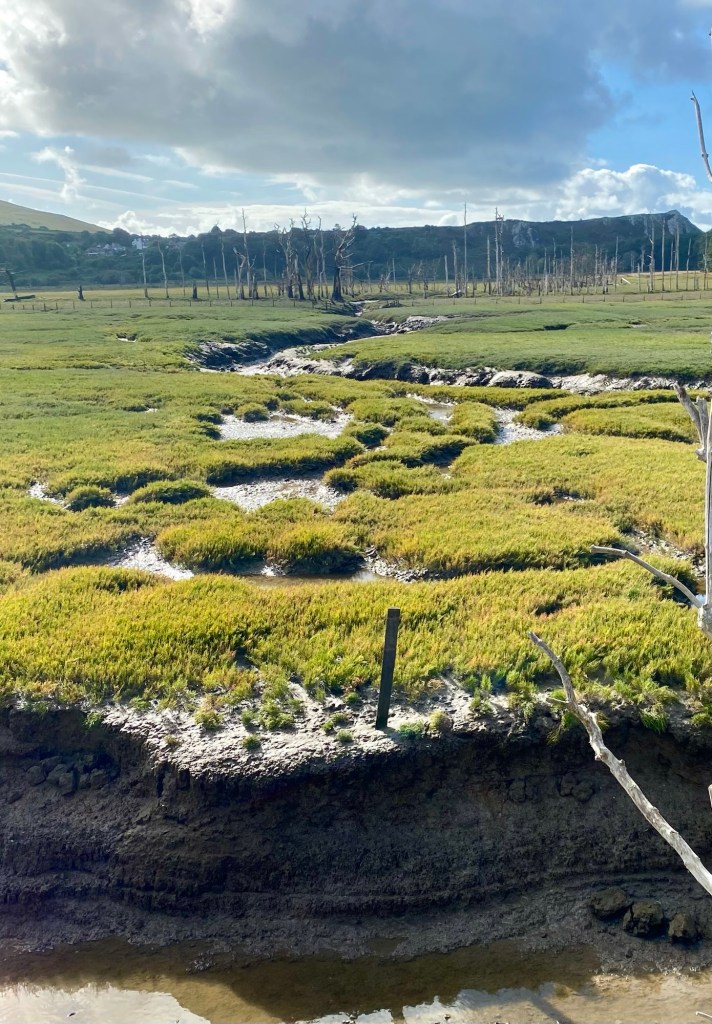
First, the tale of a Salt Marsh. Cwm Ivy existed as a salt marsh for thousands of years before becoming my favourite salt marsh.
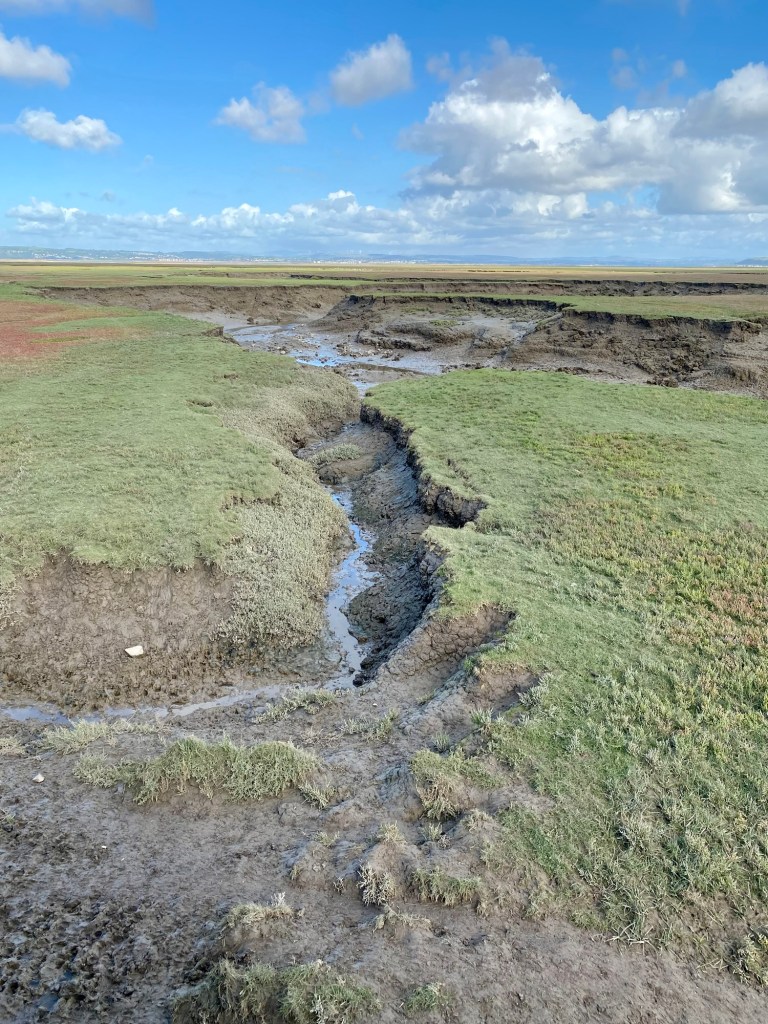
Twice every 24 hours Loughor Estuary salty water would wash it’s way up muddy channels. Then at low tide it would flow back out of Burry Pill, supporting the plant and animal life that makes a salt marsh.
During severe weather events it would absorb what nature had to thrown at it, and then settle back into being a salt marsh. Changes to it’s characteristics might have happened, but overall it retained it’s purpose and identity as a salt marsh.
Cwm Ivy was probably doing salt marsh things over 4,500 years ago, when the Neolithic Tribes of South Wales erected King Arthur’s Stone (Megalithic tomb with a 25 ton capstone) on the high ground draining to Burry Pill.
It was still a salt marsh in 1485 when King Henry VII’s troops (on their way to fight at the Battle of Bosworth) took a 60 mile detour to visit King Arthur’s Stone .
However, sometime during the 17th century land owners built a sea wall across Cwm Ivy to keep out the salt water. For the next 300 years it functioned as a fresh water marshy pasture, according to this project factsheet from Natural Resources Wales.
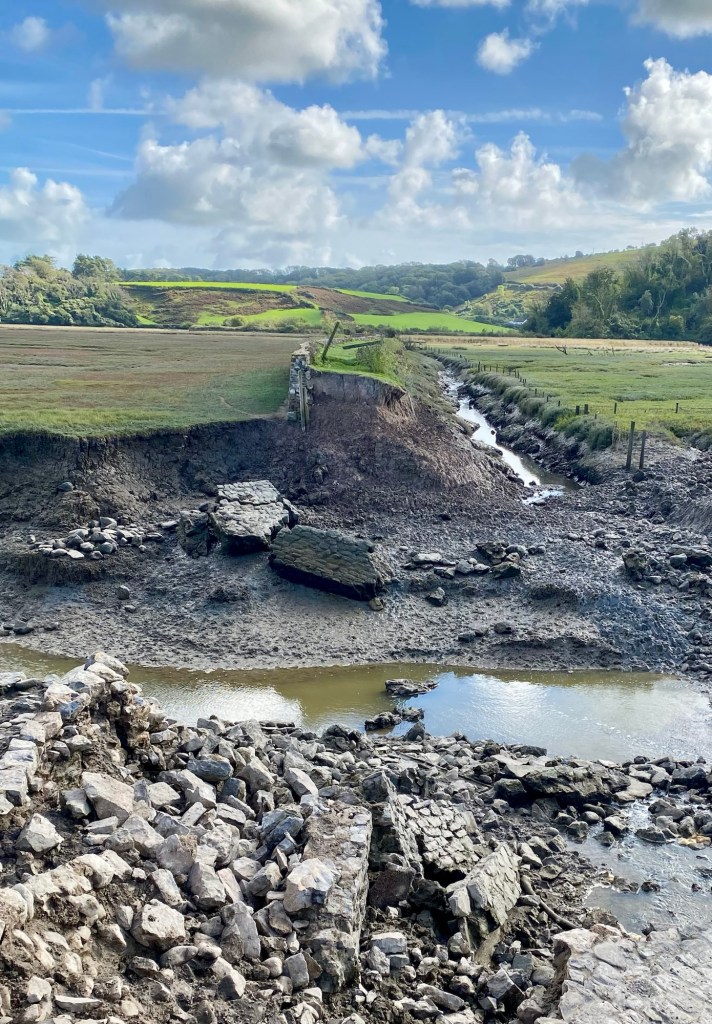
Then in 2014 the inevitable happened. The sea wall failed during the winter storms and salt water rushed in. Quickly the freshwater habitat deteriorated. The owners, The National Trust, decided not to repair the sea wall, and allow Cwm Ivy to return to being a salt marsh.
Historical note: In the late 1980’s I spent quality time dragging myself through muddy salt marshes, as part of a team measuring the impact of nutrient loading (sewage discharges) on marine algae. Close personal time with a salt marsh gives you an appreciation of their resilience.
The failed ‘robust’ sea wall where the tide now comes in
Resilience comes in different flavours. The robust (sea wall) and resilient (salt marsh) illustration I’ve used is something Dave Snowden has spoken about . I keep returning to it as something to get the point across that resilience can be looked at from different perspectives.
One of the other sources on resilience I’ve returned to goes back to ‘dragging myself through salt marsh mud’ times. The Canadian ecologist C.S.Holling has done a huge amount of work on the resilience of natural systems. I think this has wider application to organisational life.
Engineering resilience is characterised by maintaining the ‘efficiency’ of a system.
There will be a focus on standardisation, a few reliable things and little diversity.
There will be limited flexibility.
This can lead to failure when conditions unexpectedly change.
A robust sea wall seems to fit these characteristics (or indeed a highly efficient, stable team following tightly defined process guidance and churning out widgets).
Ecological resilience is characterised by maintaining the ‘survival’ (purpose and identity) of the system.
There will be diversity, lots of different bits doing different things.
But they all contribute to the overall purpose.
Efficiency isn’t the overall objective and some individual parts will be vulnerable.
In response to environmental changes some parts will thrive and some decline, but overall the system is flexible and it survives.
A salt marsh seems to fit these characteristics (or indeed a messy and not particularly efficient group of people involved in organisational improvement, innovation, R&D etc).
So, What’s the PONT?
Resilience feels like the ‘phrase du jour’, being thrown around like confetti. But do we speak the same language?
Sea walls are robust, salt marshes are resilient. A useful reminder to stop an think about what we mean when we say ‘resilient’?
Absorbing an unexpected shock and ‘bouncing back’, can cause a change, but retaining your purpose and identity is an important characteristic to survive in a volatile world. Be more salt marsh.
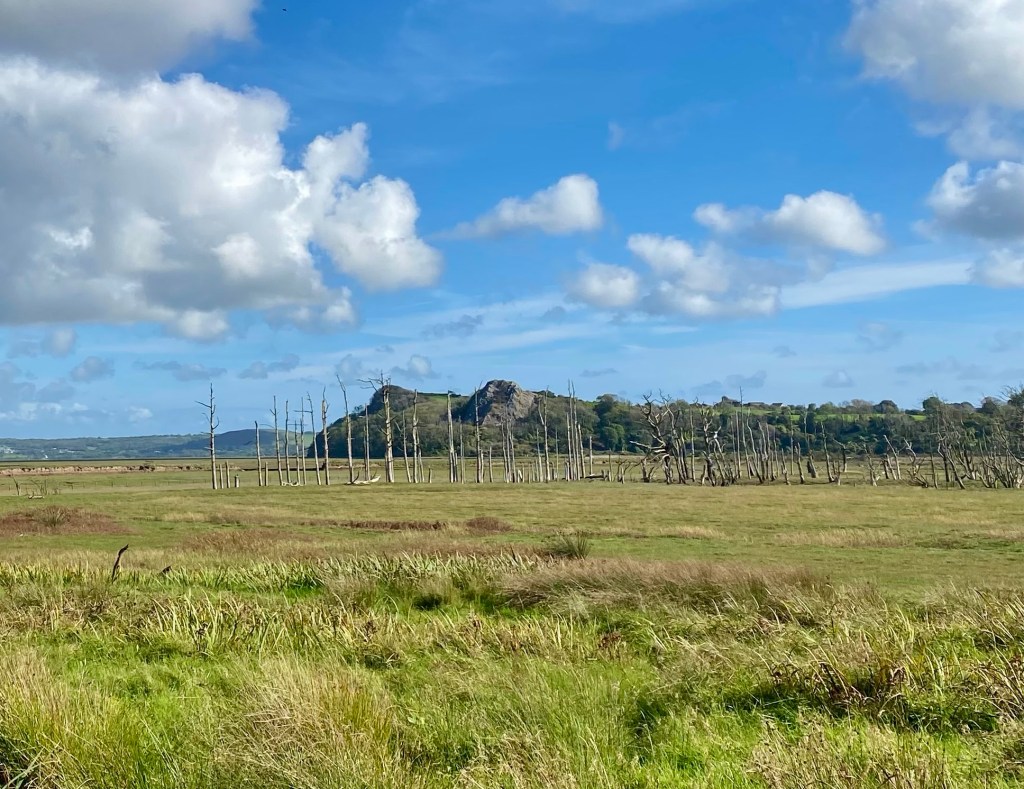
Cwm Ivy Salt Marsh with a row of dead trees that didn’t like salt waterBeyond the sea wall, looking towards Burry Pill and the Loughor Estuary. In the distance is the ancient land of Mordor, modern day Llanelli.
A very public exposure of ‘bad practice’ if you like, but I absolutely learned a lot. Next year I’ll be back with Bee’s Wax Furniture Polish. I’m going for a prize!
Airbrushed Good Practice. The opposite of bad practice is of course good practice. I must confess I can be a bit sceptical about some good practice case studies I see.
Quite often they can be; context free, optimistic, very logical and linear, attributed to some ‘leadership characteristic’ and a little bit ‘airbrushed’. I’m far more interested in picking through the debris of real life, including the bad practice. It’s an opportunity to learn from the mistakes other people have generously made for you.
Phew! ‘there but for the grace of God go I’. I’ve experienced this feeling twice in the last month, during sessions on risk management training. I’ve got your attention now…
Nigel could have shared examples of good practice, but he didn’t. Instead he handed out illustrative examples of ‘typical’ organisational risk registers (suitably edited to anonymise) and asked people to review them.
We had fun. There’s nothing like eviscerating someone else’s carefully crafted corporate documents. “Woah this is a shocker…”, “that’s not going to assure anyone…”, “where’s the data?”… etc etc.
That literally happened on both occasions, and it’s where the deep and impactful learning starts. People start to understand and think about what this means for their own situation. Then they can do something positive to make improvements. It doesn’t get much better than that in a risk management training session does it.
Bad practice that exposes a small failure (someone else’s) that increases your own level of understanding and then hopefully prompts some improvement. Good practice case studies don’t stand a chance. Bravo Nigel.
‘Stop showing us good practice!’ This is phrase a school headteacher friend used with me on many occasions. Their school is in a ‘difficult and challenging’ area shall we say. Yet, the people pushing school improvement keep offering ‘inspirational’ examples from ‘award winning’ schools generally in ‘nice’ middle class areas. A completely different context.
The impact of ‘pushing’ this good practice wasn’t just neutral. It was actually negative, contributing to a feeling of demotivation and helplessness. “Show us something we can realistically aspire to” was something they used to say.
What do other teachers say? Given that they spend their lives immersed in learning, it’s well worth listening to what teachers have to say on the subject.
This blog post by Paul Heery is what my headteacher friend was crying out for. Please do have a look at: ‘The value of sharing bad practice’ from someone who’s been both a teacher and an inspector.
There are some points that Paul Heery makes that absolutely chime with me, and what I’ve learnt from Dave Snowden and others in relation to Knowledge Management.
“It’s an often-stated fact that we learn more from our failures than our successes, so it’s not too far-fetched to suggest that we may learn just as much from watching the failures of others as we do from watching their successes,”
“It’s this reflection and application to one’s own context that makes observation such a powerful tool for learning.”
“While teaching is often an individual endeavour, learning about teaching is far more effective when it’s a shared activity.”
Back to risk management… You could probably apply any of the points I’ve highlighted to improving risk management. Probably also to improving governance approaches.
Where I want to finish is from a personal point of view, to spend more time rooting around in the world of bad practice. I’m aspiring to be more like the Honey Show Judge.
So, What’s the PONT?
Looking at bad practice is often a more effective way to learn than standing in front of the ‘radiant glow’ of good practice.
Training that allows you to eviscerate someone else’s bad practice is more than just good fun. It deepens understanding of your own context.
Having a ‘there but for the grace of God go I’ moment can be a powerful driver of improvement. If you have the humility to accept it.